8 books like Before the Coffee Gets Cold, from The Midnight Library to Anxious People: gentle, time-bending stories about regret and second chances.
Updated June 11, 2026
Toshikazu Kawaguchi's Before the Coffee Gets Cold began as a stage play, and it shows in the best way: one room, a strict set of rules, and four quiet emotional confrontations. In a Tokyo basement cafe, a particular seat lets you travel in time, but only while your coffee stays warm, and nothing you do will change the present. That last rule is the whole point. The book is not about fixing the past; it is about saying the thing you never said and coming back changed anyway. The prose is plain, almost flat in translation, but the feelings land.
People who finish it tend to want one of three things, and this list covers all of them. Some want more speculative premises about second chances and the lives we did not live, which is where The Midnight Library, Oona Out of Order, The Time Traveler's Wife, and The Invisible Life of Addie LaRue sit. Some want the ensemble warmth, strangers whose stories interlock and console each other, which Anxious People delivers better than almost anything. And some want the pure emotional weight of love, loss, and memory, covered here by The Book Thief, The Seven Husbands of Evelyn Hugo, and Where the Crawdads Sing.
A practical note: Kawaguchi's book is short and episodic, and most of these are longer, fuller novels. If you want the closest match in length and gentleness, start with The Midnight Library. And if you simply want more Kawaguchi, the Before the Coffee Gets Cold series continues through several sequels (Tales from the Cafe is the second), all set around the same cafe and rules.
Read this if you want a life looked back on with all its regrets named.
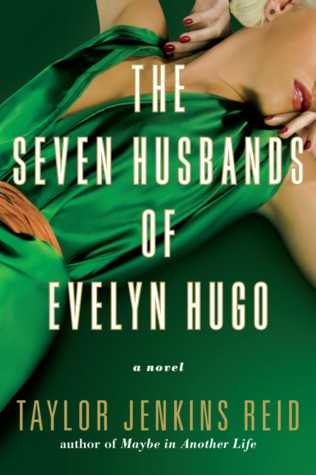
Taylor Jenkins Reid's novel is one long version of what each cafe visitor gets a few minutes to do: an old woman looks back over her whole life, names what she loved, what she lied about, and what she would say if she could say it again. Evelyn Hugo, a Hollywood legend, tells her true story to a young journalist, marriage by marriage, and the book's power is in the gap between the life she performed and the one she actually lived. The themes of love, loss, and confession are squarely Kawaguchi's.
It is glamorous and plot-driven where Kawaguchi is small and still: Old Hollywood, fame, scandal, a hidden love story, and a twist ending. There is nothing speculative in it. Choose it when you want the retrospective, what-did-my-life-mean feeling at full novel length, with a narrator who is far pricklier and more morally complicated than anyone who sits in the cafe's time-traveling chair.
Read this if you want quiet loneliness and connection, minus any magic.
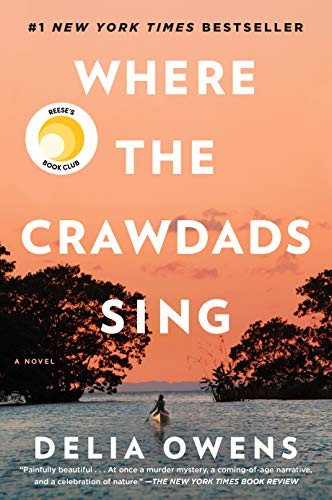
Delia Owens's novel is the furthest from Kawaguchi's premise but close to one of his preoccupations: solitude, and what one true connection can do for a person who has learned to live without any. Kya, abandoned as a child in the North Carolina marsh, builds a life alone the way the cafe's regulars build routines around their grief, and the book moves between her past and a present-day mystery in a structure that, like Kawaguchi's, keeps asking how the past made the present.
Know what you are getting: this is an atmospheric American novel with a murder trial at its center, lush nature writing, and a coming-of-age romance. There is no speculative element and the pacing is slow and immersive rather than episodic. It belongs on this list for readers who responded to the loneliness in Kawaguchi's characters more than the time travel, and it is the pick most likely to divide people who came for the cafe's gentle fantasy.
Read this if the what-ifs were the part that got to you.
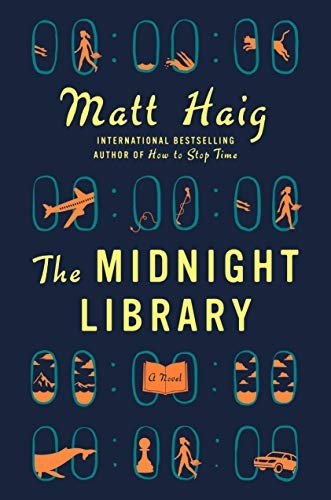
Matt Haig's novel is the most natural next step from Kawaguchi. Nora Seed, at her lowest point, finds a library between life and death where every book is a life she might have lived, and she gets to try them. Like Before the Coffee Gets Cold, it uses a simple magical premise with clear rules to ask one question: if you could revisit your choices, what would you actually learn? Both books arrive at the same gentle answer, that the life you have is more livable than regret makes it look.
The difference is focus. Kawaguchi spreads his book across four visitors; Haig stays inside one woman's head for the whole ride, so it is more of a single emotional arc and more openly a book about depression. The tone is similarly warm and the philosophy is similarly spelled out, which some readers find comforting and others find a little tidy. If you wanted Kawaguchi's premise with a Western, novelistic shape, this is it, and it reads fast.
Read this if you want the time-travel rules played for both whimsy and ache.
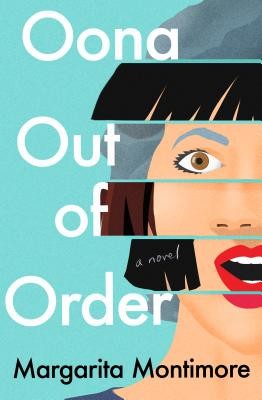
Margarita Montimore's premise is a cousin of Kawaguchi's: every New Year's Eve, Oona leaps into a different year of her own life, out of sequence, so she might be 19 inside and 51 outside. Like Before the Coffee Gets Cold, the time travel is governed by firm rules she cannot escape, and the point is never the mechanism. It is what living out of order teaches her about which loves and choices actually mattered. The emotional beats, missed chances, late understandings, hit the same nerve as the cafe's visitors.
It is a louder, more American book: pop music, parties, romances, and plot twists, where Kawaguchi is hushed and minimal. The structure also gives it a momentum the episodic cafe stories never aim for, since you are always waiting to see which year comes next. Pick this if you liked the concept of Kawaguchi's book more than its quietness and want something with more forward drive.
Read this if memory and being remembered were the themes that stayed with you.
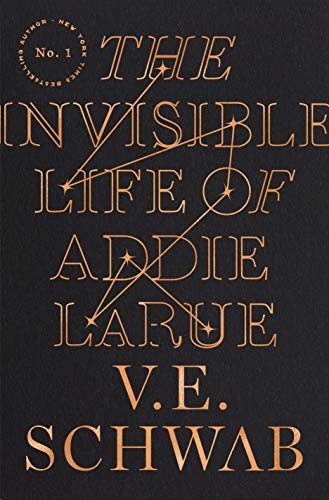
V.E. Schwab's novel runs on a deal with the dark: Addie gets to live forever, but everyone forgets her the moment she leaves the room. Before the Coffee Gets Cold is full of people trying to be truly seen, once, before a window closes, and Addie's story stretches that ache across three hundred years. Both books treat a small human connection, a man who remembers her, a conversation before the coffee cools, as the most valuable thing in the world precisely because the rules say it should be impossible.
This is the most fantasy-forward pick here, with a literal devil figure, historical sweep from 1714 to the present, and lush, deliberate prose that is the opposite of Kawaguchi's spareness. It is also long, and some readers find the middle sections repetitive by design, since Addie's curse is repetition. Pick it if you want the emotional core of Kawaguchi expanded into a sweeping, romantic fantasy rather than a chamber piece.
Read this for the love story that time keeps interrupting.
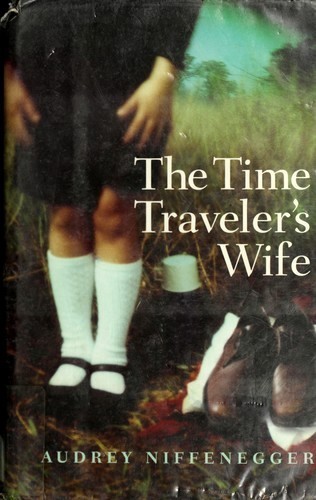
Audrey Niffenegger's novel is the fullest treatment on this list of Kawaguchi's central image: two people who love each other but can never quite occupy the same moment. Henry involuntarily slips through time; Clare lives in order and waits. Like the couples in Before the Coffee Gets Cold, they have to say what matters in the windows they get, knowing the rules cannot be bent. The famous constraint of Kawaguchi's cafe, that nothing changes the present, has a sadder echo here, since Henry cannot change anything either.
Be ready for a much bigger commitment. This is a long, dense, adult novel with real grief in it, told in alternating voices across decades, and it is more explicit and more devastating than anything Kawaguchi attempts. Where the cafe stories console, this one wrings you out. Choose it when you want the same themes treated as a full tragic romance rather than a series of gentle vignettes.
Read this for strangers in one room slowly healing each other.
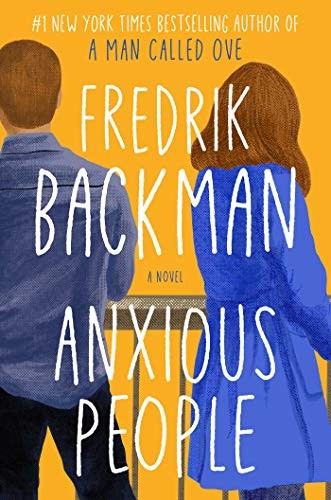
Fredrik Backman's novel about a failed bank robbery turned accidental hostage situation is, structurally, the closest thing here to Kawaguchi's cafe: a confined space, a handful of strangers, and stories that unfold one confession at a time until everyone is connected. Both books believe ordinary people are carrying enormous private griefs, and both engineer a situation that forces those griefs into the open. The emotional payoff, when the threads tie together, works the same way the cafe's four stories do.
There is no time travel and no magic at all; the only device is Backman's jigsaw structure and his very funny, digressive narrator. It is much jokier than Kawaguchi, sometimes insistently so, before it turns the knife. If what you loved was the kindness, the sense that listening to someone's story is itself the act of repair, this is the best match on the list, and many readers end up preferring it.
Read this for love and loss given real historical weight.
Markus Zusak's novel, narrated by Death and set in Nazi Germany, shares Kawaguchi's deepest conviction: that small human gestures, a shared book, a kept promise, a goodbye, matter most when time is running out. Liesel, the foster girl who steals books and reads them to her neighbors in bomb shelters, lives inside the same emotional weather as the cafe's visitors, people trying to hold on to each other against forces they cannot change. Death's narration even gives it a touch of the otherworldly frame Kawaguchi readers are used to.
This is by far the heaviest book on the list. It is long, it is set against the Holocaust and the bombing of German cities, and it does not protect you from its ending. Where Before the Coffee Gets Cold is a warm cup, this is a slow ache that builds for five hundred pages. Pick it when you are ready to cry properly, not gently.
What should I read after Before the Coffee Gets Cold?
If you want the closest emotional match, start with The Midnight Library by Matt Haig, another short, warm novel about revisiting your choices under strict magical rules. If you loved the interlocking-strangers structure more than the time travel, Anxious People by Fredrik Backman is the strongest pick. And if you have not yet, continue Kawaguchi's own series, which begins its sequels with Tales from the Cafe.
Is Before the Coffee Gets Cold part of a series?
Yes. Toshikazu Kawaguchi has continued the story in several sequels set in and around the same cafe, starting with Tales from the Cafe and followed by further volumes including Before Your Memory Fades and Before We Say Goodbye. Each follows the same rules and the same episodic structure, with new visitors taking the time-traveling seat.
Are there other Japanese novels with the same cozy, gentle feel?
Yes, this has become a recognizable genre in translation. Readers who like Kawaguchi often move on to The Travelling Cat Chronicles by Hiro Arikawa, What You Are Looking For Is in the Library by Michiko Aoyama, and Days at the Morisaki Bookshop by Satoshi Yagisawa. None involve time travel, but all share the quiet tone and the focus on small encounters that change people.
Which book on this list is most like the time travel in Kawaguchi's cafe?
Oona Out of Order is closest in spirit: time travel with firm, unbreakable rules used to explore regret rather than adventure. The Midnight Library does the same with parallel lives instead of literal time travel, and The Time Traveler's Wife treats the can't-change-anything constraint as full tragedy. None copies the coffee rule, but all three honor the idea that revisiting the past changes you, not the past.
As an Amazon Associate, we earn from qualifying purchases. · About & methodology