6 books like The Midnight Library, from Life After Life to Oona Out of Order: novels about second chances, parallel lives, and the roads not taken.
Updated June 10, 2026
Matt Haig's The Midnight Library has a premise you can explain in one breath, which is part of why it became a phenomenon: Nora Seed, at the lowest point of her life, finds herself in a library between life and death where every book is a life she could have lived, and she gets to try them. Olympic swimmer, glaciologist, pub owner, rock star. The hook is speculative, but the book is really a gentle argument about regret, drawn partly from Haig's own writing about depression, and it lands somewhere between a novel and a consolation. Readers either find that warmth healing or a little tidy, but the what-if machinery is irresistible either way.
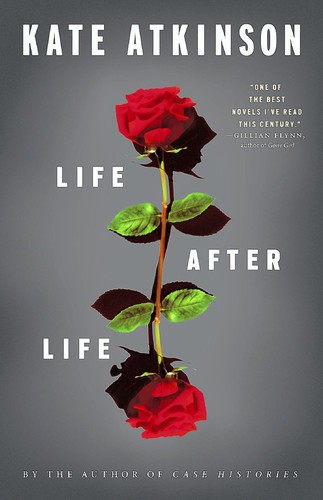
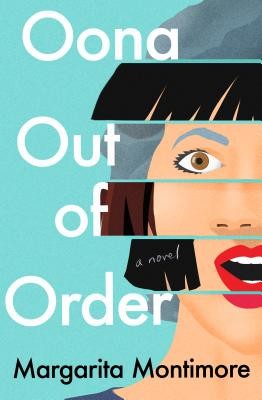
Most readers finish it wanting more lives-not-lived, and this list leads with the books that deliver exactly that: Life After Life, where Kate Atkinson gives one woman endless restarts across the twentieth century, and Oona Out of Order, where the restarts come shuffled. The Invisible Life of Addie LaRue takes the adjacent deal-at-the-crossroads route, a bargain about how a life gets to matter. The remaining picks, The Seven Husbands of Evelyn Hugo, The Book of Lost Names, and By the River Piedra I Sat Down and Wept, drop the speculative device and keep the theme: a whole life weighed, choice by choice, usually by a woman looking back.
A practical note: Life After Life is the most demanding book here and the best one; do not let its size scare you off, but if you want something that reads as easily as Haig, start with Oona Out of Order or Evelyn Hugo instead. Each pick below tells you which part of The Midnight Library it echoes and where it parts ways.
Read this if you want a woman looking back at the life one choice gave her, in historical fiction form.
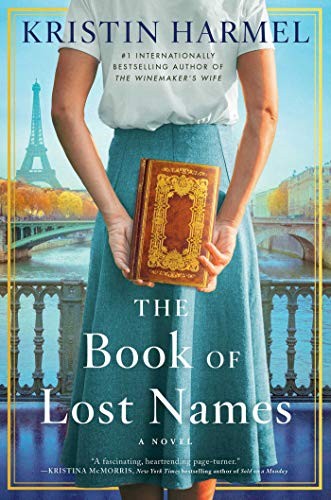
Kristin Harmel's novel connects to The Midnight Library through its frame: an elderly woman, Eva, sees a photograph of a long-lost book and is pulled back through the decades to the life-defining choices of her youth. In 1942, fleeing Paris, she became a document forger in a mountain town, saving Jewish children by erasing their identities and secretly encoding their real names in an old religious text so they would not be lost forever. The themes rhyme with Haig's: which version of yourself you become, what gets recorded, and whether it is ever too late to recover what was left behind.
Know that this is a different genre entirely. It is World War II historical fiction with romance and danger, not speculative fiction, and there are no alternate lives, only the one Eva actually lived and the reckoning with it. It is the loosest fit on this list, here for readers whose favorite part of The Midnight Library was the backward look at a life rather than the library itself. As a bridge from Haig into historical fiction, it works well.
Read this if you want a whole life of choices weighed, with no magic required.
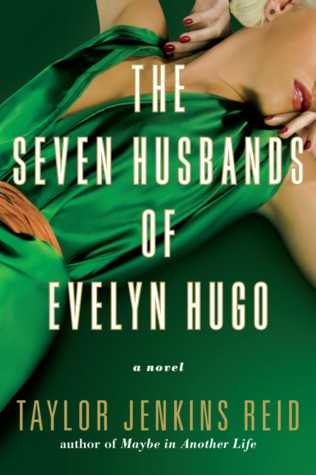
Taylor Jenkins Reid's novel is what The Midnight Library would be without the library: one woman laying out every fork in the road of her life and what each one cost. Aging Hollywood icon Evelyn Hugo summons an unknown journalist to hear her true story, and the seven marriages turn out to be the chapter markers of a ruthless, glamorous, secretly devoted life, including the love she hid for decades and the compromises she made to survive 1950s Hollywood. The pleasure is the same accounting Nora does in the library, performed by a woman who refuses to pretend she regrets the wrong things.
This is the pick for readers who liked Haig's theme more than his device. There is nothing speculative here, the tone is sharper and more glamorous than cozy, and Evelyn is everything Nora is not: certain, calculating, unapologetic. It is also a genuine page-turner with a final twist that recontextualizes the frame story. If you want emotional weight about chosen lives but are done with magical libraries, start here.
Read this if you want the many-lives premise executed at the highest level.
Kate Atkinson's novel is the literary heavyweight of the lives-not-lived genre, and it is the book Midnight Library readers most deserve to be pointed toward. Ursula Todd is born in England in 1910, dies, and is born again, over and over, each life diverging from the last: a flu epidemic survived or not, a marriage avoided or endured, the Blitz, even an attempt to alter history itself. Like Nora, Ursula carries faint echoes of her other lives, and the book asks the same question Haig does: what would you do differently, and would it actually be better?
The difference is ambition. Atkinson does not explain her mechanism or hand you a lesson; the repetitions accumulate into a portrait of twentieth-century England and of how much chance governs a life, and the prose and structure are doing far more work than Haig attempts. It is longer, darker (war, violence, an abusive marriage), and it trusts you to draw your own conclusions. Pick it when you want the same wonder without the self-help warmth, and expect to want the companion novel, A God in Ruins, after.
Read this if you want the life-and-death bargain played out over three hundred years.
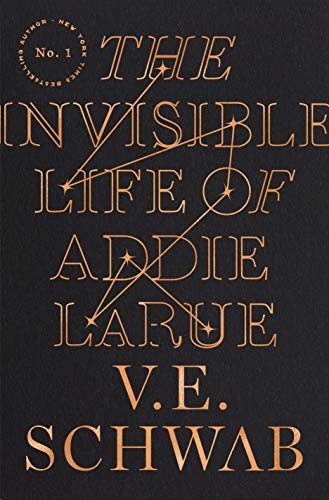
V.E. Schwab's novel sits right beside The Midnight Library on bookstore tables, and the kinship is real: both are about a woman who, in a moment of despair, gets a supernatural renegotiation of her life's terms, and both are ultimately about what makes living worth it. In 1714 France, Addie trades her soul for freedom and immortality, and the catch is that everyone who meets her forgets her the moment she leaves the room. Three centuries later, in a New York bookstore, a man named Henry remembers her, and the book splits between her long survival and what that changes.
Where Nora samples many lives, Addie is trapped in one endless, unwitnessed life, so the theme inverts from regret to legacy: not which life to choose, but whether a life no one remembers counts. It is moodier and more romantic than Haig, with a devil-figure love-and-power dynamic at its center, and at over 400 pages it lingers where Haig sprints. Pick it for atmosphere and longing rather than uplift.
Read this if you want the same big-hearted what-if at the same easy pace.
Margarita Montimore's novel is the closest match on this list for how The Midnight Library actually feels to read. At midnight on her nineteenth birthday in 1982, Oona leaps into her own body at fifty-one, and from then on she lives each year of her life in random order: thirty before twenty-five, rich with stock tips from her future, repeatedly meeting people she has already loved and lost in years she has not reached yet. Like Haig, Montimore uses a clean speculative hook to ask what makes a life feel like yours, and the tone is similarly warm, accessible, and ultimately hopeful.
The difference is that Oona only gets one life, just shuffled, so the book is less about regret and alternate selves and more about acceptance: loving people out of sequence, knowing how some stories end before they begin. It is also more of an emotional ride through the decades (music, fashion, and a couple of real gut-punches) than a philosophical argument. If The Midnight Library worked on you completely, this is the safest next pick here.
Read this if the road-not-taken romance and the spiritual register appealed to you.
Paulo Coelho's short novel is built on a Midnight Library staple: the person from your past returning to reopen a door you thought was closed. Pilar, a practical Spanish student, is reunited with her childhood love, now a charismatic spiritual seeker on the verge of a religious vocation, and over one week together they weigh the lives they could still choose: love or calling, risk or safety. Like Haig, Coelho writes in a plain, aphoristic register and is openly interested in consoling the reader; the book is as much meditation as story.
Be honest with yourself about what you are getting. This is the most overtly spiritual book on the list, steeped in Catholic mysticism and the divine feminine, with very little plot, and readers who found The Midnight Library's life lessons too neat will find Coelho's even neater. It is also the shortest pick here, readable in an evening. Choose it for the contemplative second-chance romance; skip it if you came for the speculative machinery.
Life After Life by Kate Atkinson is the closest in premise, one woman living many versions of her life, and it is widely considered the best book in this genre. If you want something closer to Haig's easy, warm reading experience, Oona Out of Order by Margarita Montimore is the better starting point: one woman's life lived in shuffled order, with the same hopeful core.
Has Matt Haig written other books like The Midnight Library?
Yes. How to Stop Time, about a man who ages so slowly he has lived for centuries, is his closest novel in tone and theme. The Humans, in which an alien inhabits a human body and learns why life is worth it, hits the same consoling note. His nonfiction, Reasons to Stay Alive and The Comfort Book, covers the depression and hope that underlie The Midnight Library directly.
Is The Midnight Library about depression?
Yes, centrally. The story begins with Nora's suicide attempt, and the library is a framework for working through regret and the distorted thinking depression produces. Haig has written openly about his own depression, and the novel functions partly as an argument against the idea that any single failed version of your life is the whole truth. Readers sensitive to suicide content should know it is on the page early.
I want the parallel-lives idea without the sad parts. What should I pick?
Oona Out of Order is the lightest pick here; it has losses, but the tone stays buoyant. The Seven Husbands of Evelyn Hugo is emotional without being heavy, and it moves fast. Save Life After Life for when you are ready for war, grief, and real darkness alongside the brilliance, and note that Addie LaRue, while romantic, runs melancholy throughout.
As an Amazon Associate, we earn from qualifying purchases. · About & methodology