7 books like Atomic Habits, from The Power of Habit to Tiny Habits: the science, systems, and mindset behind lasting change, matched to what you loved most.
Updated June 10, 2026
James Clear's Atomic Habits works because it makes behavior change feel like engineering rather than willpower. Its big ideas are sticky on purpose: you don't rise to the level of your goals, you fall to the level of your systems; identity comes first (be the kind of person who, not just do the thing); and 1% improvements compound into something enormous. The Four Laws (make it obvious, attractive, easy, satisfying) give you a checklist you can actually run on a Tuesday morning. It's the rare self-help book that is both genuinely useful and a fast read.
Readers who finish it tend to want one of a few different things next, and this list is organized around them. Some want the science and storytelling behind why habits form (the research Clear compressed into bullet points). Some want to go deeper on focus and doing the work, not just building the routine. Some want the mindset layer underneath behavior. And some just want more practical systems from a different angle. Each pick below says which itch it scratches and where it overlaps with Clear, so you can choose by what you loved most.
A practical note: several of these cover similar terrain, and two in particular (The Power of Habit and Tiny Habits) are close cousins to Atomic Habits itself. Rather than read all three, it's worth knowing what each does better, which is exactly what the write-ups below sort out.
Read this if you want the research and stories behind why habits form.
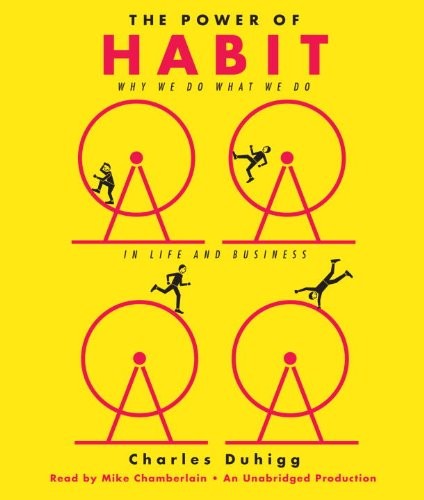
Charles Duhigg's book is the natural companion to Atomic Habits, and arguably the source water Clear drank from. It introduced the habit loop (cue, routine, reward) that became the backbone of Clear's Four Laws, then built it out with vivid reporting: how Febreze was rescued by a craving, how Target predicted a teenager's pregnancy from buying patterns, how a hospital and a football team changed behavior at scale. If the parts of Atomic Habits you underlined were the studies and anecdotes, this is the deeper version of them.
The trade-off is that Duhigg is a journalist explaining how habits work, not a coach handing you a system. It's more interesting than actionable, ranging into organizational and societal habits that you can't directly apply to your morning routine. Pick Duhigg if you want to understand the machinery; stick with Clear, or grab Tiny Habits below, if you want a step-by-step method. Many readers happily read both, in that order.
Read this for the belief layer underneath your habits.
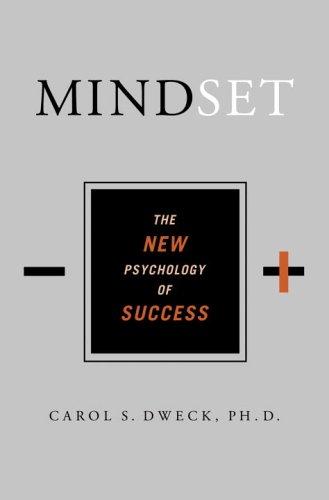
Carol Dweck's Mindset pairs beautifully with Atomic Habits because it addresses the question Clear gestures at with identity-based habits: what do you believe about your ability to change? Dweck's distinction between a fixed mindset (talent is innate) and a growth mindset (ability is built through effort) is the psychological foundation under every habit you try to install. Clear tells you to become the kind of person who shows up; Dweck explains why believing that is possible is what lets you keep showing up after you fail.
It's a different kind of book: more academic, built on decades of Dweck's research, and lighter on tactics. Some readers find it repetitive once they grasp the core idea, which lands in the first chapter. There's no checklist here. Read it if the obstacle to your habits feels mental rather than logistical, if you quit things the moment they get hard. Read Atomic Habits or Tiny Habits if your problem is purely the mechanics of getting started.
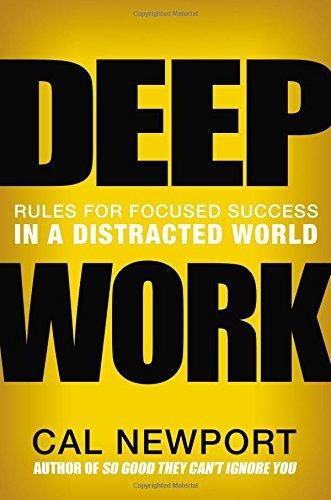
Deep Work: Rules for Focused Success in a Distracted World
by Cal Newport
Read this if you want to go deeper on focus, not just routines.
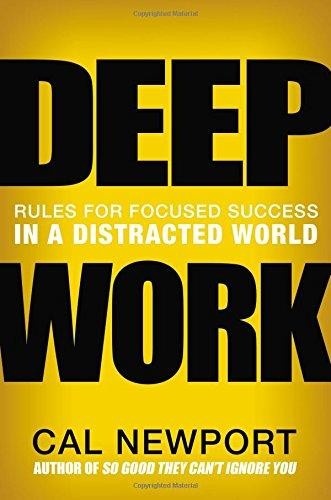
Cal Newport's Deep Work shares Atomic Habits' core conviction that the small, repeated, deliberate things compound into outsized results. Where Clear is about any habit, Newport zeroes in on one: sustained, distraction-free concentration on cognitively demanding work. He argues it's both increasingly rare and increasingly valuable, then offers concrete rituals (scheduling deep blocks, quitting social media, embracing boredom) that read like a specialized application of Clear's make-it-easy, make-it-obvious laws to your attention.
It's narrower and more opinionated than Atomic Habits, and at times more demanding: Newport's prescriptions can feel monastic, and his examples lean heavily on academics and knowledge workers. If your goal is fitness or eating or money habits, this isn't your book. But if what you actually want after Atomic Habits is to build the habit of real focus in a world engineered to fragment it, Deep Work is the sharpest tool on this list. Pair it with Clear's systems thinking.
Read this if you want the classic, principle-first take on habits.
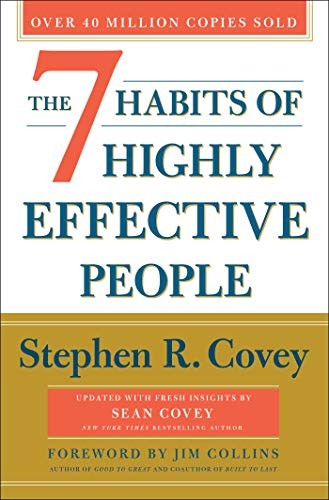
Stephen Covey's 1989 classic is the grandfather of the genre, and reading it after Atomic Habits is illuminating: it's where modern habit literature came from. Covey's seven habits (be proactive, begin with the end in mind, put first things first, and so on) overlap with Clear's identity-first thinking, especially the idea that lasting change starts from the inside, from your character and values, rather than from quick behavioral tricks.
The difference in flavor is large. Covey is principle-driven and philosophical where Clear is tactical and modern; some of the language and business examples now feel dated, and there's no neuroscience or quick-win framework. It's a more demanding, slower read that asks you to rethink your whole approach to effectiveness rather than tweak a routine. Choose it if Atomic Habits left you wanting depth and a bigger framework for life direction; skip it if you found Clear's brevity and concreteness the whole appeal.
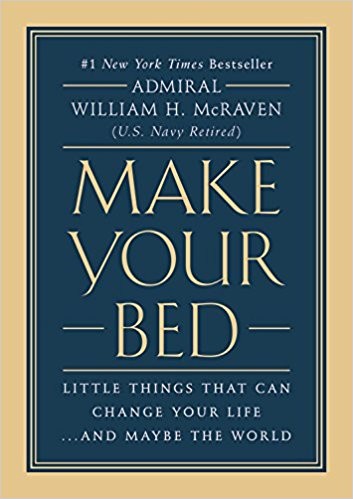
Make Your Bed: Little Things That Can Change Your Life...And Maybe the World
by Admiral William H. McRaven
Read this when you want a short, motivating kick rather than a system.
Admiral William McRaven's Make Your Bed grew from a viral commencement speech, and it shares Atomic Habits' central faith in the small thing done consistently: make your bed every morning and you've completed the first task of the day, which sets up the next. Its ten lessons from Navy SEAL training are really one idea about how tiny disciplines and showing up through discomfort build the kind of person who finishes hard things, which rhymes with Clear's identity-based habits.
Be clear about what it is, though: this is a brief, inspirational book of stories and lessons, not a how-to manual. There's no framework, no Four Laws, no research. You can read it in an hour, and its power is motivational rather than methodological. Reach for it when you want a jolt of resolve and a reminder that small actions matter; reach for Atomic Habits or Tiny Habits when you actually want to engineer a specific change.
Read this if you want a tighter, simpler method than Clear's.
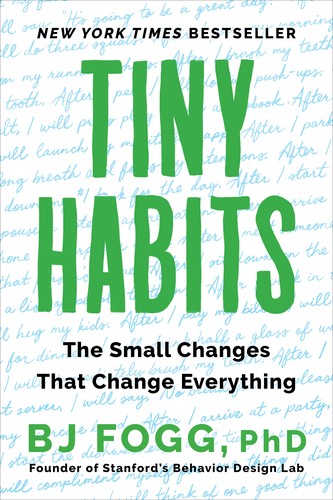
BJ Fogg is the Stanford behavior scientist whose research underpins much of this field, and Tiny Habits is his own method, distilled. The model is elegantly simple: a behavior happens when motivation, ability, and a prompt converge, so make the new habit absurdly small (floss one tooth), anchor it to something you already do, and celebrate immediately to wire in the reward. It overlaps heavily with Atomic Habits, especially Clear's make-it-easy law and habit stacking, which is essentially Fogg's anchoring.
If you read Atomic Habits and felt it sprawled, this is the focused alternative: one clear method, applied relentlessly, with a warmer and more forgiving tone (Fogg is big on celebration and against shame). It's less encyclopedic than Clear and lighter on breaking bad habits. If you only read one habit book after Atomic Habits, make it this one for the method or The Power of Habit for the science. Reading Atomic Habits and Tiny Habits back to back is somewhat redundant, so pick the voice you prefer.
Read this if the 1% improvements idea was your favorite part.
Darren Hardy's The Compound Effect is built entirely around the principle that powers Clear's most famous chart: small, consistent choices, repeated over time, compound into dramatic results, for better or worse. Hardy is good on the unglamorous truth of it, that the gains are invisible for a long stretch before they become obvious, and on tracking your behavior to see where the small leaks are. If the compounding math was the part of Atomic Habits that rewired how you think, this stretches that single idea to book length.
The honest caveat: it's the least rigorous book here. Hardy comes from the success and motivation world rather than science, the tone is more rah-rah, and there's no research apparatus behind the claims. It also covers ground Clear covers more memorably. Read it if you specifically want the compounding and consistency message reinforced and don't mind a hustle flavor; if you want substance and method, almost every other book on this list delivers more.
What is the single best book to read after Atomic Habits?
It depends on what you want. For the science and stories behind habits, read Charles Duhigg's The Power of Habit. For a tighter, simpler method you can apply immediately, read BJ Fogg's Tiny Habits, since Fogg's research underpins much of Clear's work. For the mindset layer under behavior change, read Carol Dweck's Mindset.
Is The Power of Habit or Atomic Habits better?
They do different jobs. Duhigg's The Power of Habit (2012) is journalism that explains how habits work through research and storytelling, including the cue-routine-reward loop. Clear's Atomic Habits (2018) is a practical system with the Four Laws and habit stacking. Read Duhigg to understand habits, Clear to build them. Many readers do both, Atomic Habits first.
Are Atomic Habits and Tiny Habits the same?
They overlap a lot and even share concepts: Clear's habit stacking is close to Fogg's anchoring, and both stress making habits small and easy. But Tiny Habits is one focused method built on celebrating tiny wins, while Atomic Habits is a broader framework that also covers breaking bad habits and identity change. Reading both back to back feels repetitive, so pick the tone you prefer.
Which of these books has the most actionable advice?
Tiny Habits by BJ Fogg is the most step-by-step method, ideal if Atomic Habits felt too sprawling. Deep Work by Cal Newport is highly actionable but only for focus and concentration. The Power of Habit and Mindset are more explanatory than prescriptive, and Make Your Bed and The Compound Effect are motivational rather than method-driven.
As an Amazon Associate, we earn from qualifying purchases. · About & methodology