7 books like The Paper Palace: literary, emotionally charged reads from An American Marriage to Where the Crawdads Sing, matched by theme, setting, and tone.
Updated June 10, 2026
Miranda Cowley Heller's The Paper Palace compresses an entire life into a single Cape Cod morning. Elle wakes after one night with her childhood best friend and must decide, by sundown, whether to leave her husband for the man she has loved since she was a girl. The present-day hours barely move, but the novel keeps swinging back across decades of summers, family fracture, and a buried trauma that explains why this choice carries so much weight. It is at once a slow-burning romance and an unflinching family reckoning.
Readers who finish it usually want one of a few specific things next: the agonizing romantic choice between two good lives, the lyrical nature writing tied to a summer place, the multigenerational family saga thick with secrets and privilege, or the literary treatment of trauma and its long shadow. The seven books below are organized around those threads. Each entry explains exactly which part of The Paper Palace it carries forward and where it goes its own way, so you can choose by what you loved most.
One important note: The Paper Palace deals directly with childhood sexual abuse, alongside infidelity, grief, and addiction. Several books here touch similar ground. Where a recommendation includes sexual violence, abuse, or other heavy content, we flag it in the write-up so you can decide what you are ready for.
Read this if the emotional family epic and the ache of irreversible choices moved you most.
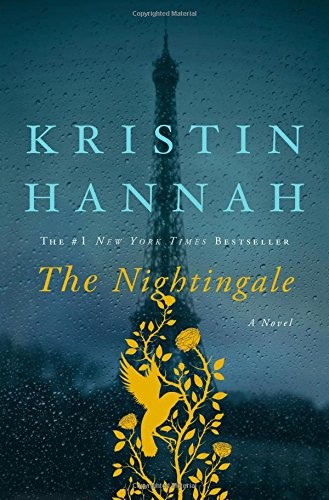
Kristin Hannah writes the kind of sweeping, emotionally maximal family drama that readers of The Paper Palace often crave next. Two sisters survive the German occupation of France through very different forms of courage, and Hannah, like Heller, frames the story with an older woman looking back on a defining past. Both books are about love, loss, and choices made under pressure that echo across a whole life.
This is the biggest tonal leap on the list: a WWII historical epic rather than a contemporary Cape Cod story, plot-driven and unabashedly tearjerking where Heller is literary and interior. It includes wartime violence and sexual assault. Reach for it if what you wanted from The Paper Palace was the grand emotional sweep and the lifelong consequences of love, more than the specific setting or the slow-burn structure.
Read this if the buried childhood trauma and its grip on an adult life were what stayed with you.
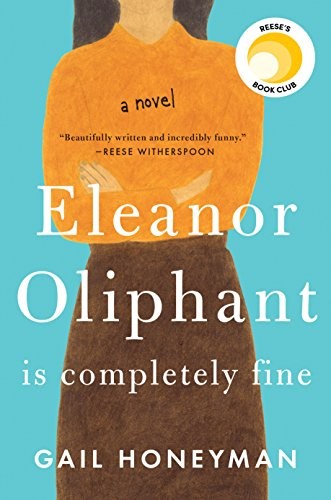
Gail Honeyman's Eleanor, like Elle, is an adult whose present is quietly governed by a childhood she has walled off, and both novels move toward the slow, painful surfacing of what really happened. Honeyman shares Heller's interest in how trauma warps the way a person loves, connects, and survives day to day, and the gradual reveal of Eleanor's past lands with the same kind of recontextualizing force as the revelations in The Paper Palace.
The register is gentler and often funnier. Honeyman leavens the darkness with warmth and an unlikely friendship, so the overall read is more hopeful and less erotically charged than Heller's. Content warning for childhood abuse and self-harm. Choose this if the psychology of survival and the long reach of family trauma interested you more than the romantic triangle.
Read this for the family secrets, the class tension, and the morally tangled choices simmering under a tidy surface.
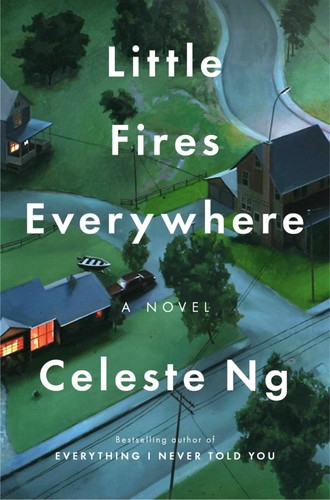
Celeste Ng works the same vein of literary domestic fiction as Heller: families that look settled from the outside while old wounds, secrets, and unspoken desires threaten to ignite. Like The Paper Palace, the novel withholds key pieces of the past and doles them out to reframe everything, and it shares Heller's refusal to hand readers clean heroes or villains. Both are character studies of women making choices they cannot take back.
Ng centers motherhood, privilege, and a custody battle rather than a romantic ultimatum, and the setting is suburban Ohio, not a wild coast, so the nature writing falls away. There is no sexual abuse storyline, though the book deals with thorny questions of who gets to claim a child. Pick it if you loved the secrets-beneath-the-surface dynamic and the ambiguous, debate-worthy ending.
Read this if the Cape Cod landscape and Elle's wild, isolated childhood were what hooked you.
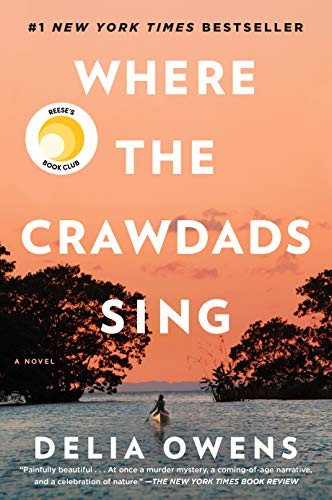
Delia Owens shares Heller's gift for binding a character's interior life to a specific stretch of wild geography. Kya grows up abandoned in the North Carolina marshes, and the novel braids her lonely coming-of-age with a present-day mystery, much as The Paper Palace cuts between Elle's past and her single fateful day. Both books center a girl shaped by neglect, both treat the natural world as a living character, and both build toward a romance complicated by trauma.
Owens adds a murder trial and a structured whodunit that Heller never attempts, which makes Crawdads more plot-driven and commercial. Content-wise, it includes an abusive father and an attempted sexual assault, handled less explicitly than Heller's abuse scenes. Choose it if you loved the atmosphere and the wounded-survivor heart of The Paper Palace and want a slightly more conventional, propulsive story around it.
Read this for the summer-house family saga, the inherited privilege, and the secrets passed down through generations.
Sarah Blake's novel is the closest match here for the setting and structure of The Paper Palace: a wealthy family, a beloved property by the water (here a private island off Maine), and a story that moves across generations to expose what the family's comfortable surface conceals. Both books understand that a summer place is never just a place, that it holds memory, status, and inherited damage, and both let the house itself anchor the emotional weight.
Blake aims wider than Heller, threading in mid-century antisemitism, racism, and the moral cost of old money, so the scope is more historical and political than intimate. There is no sexual abuse storyline, but the book reckons with serious cruelty and prejudice. Reach for it if the Cape Cod dynasty, the buried family secrets, and the legacy-of-privilege themes were what kept you reading.
Read this when you want love, impossible choices, and decades of secrets in a faster, more glamorous package.
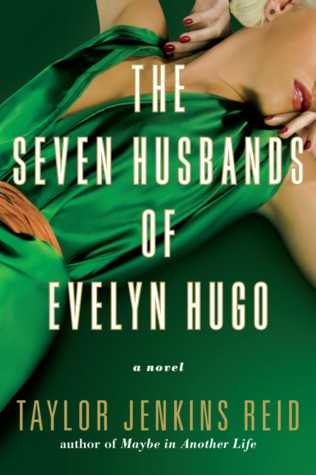
Taylor Jenkins Reid built a phenomenon out of the same raw material Heller uses: one woman looking back across a long life, the great love she sacrificed, and the choices she can never fully justify. Aging Hollywood icon Evelyn Hugo recounts her seven marriages and the one true love beneath them all. Like The Paper Palace, it threads a present-day frame through a confessional past and asks what we trade away for the lives we end up living.
The tone is the big departure. Reid is glossy, propulsive, and twist-driven where Heller is literary and slow-burning, and the love story at its core is a queer romance set against studio-era fame. It is far lighter on trauma, with no sexual abuse plot. Pick it if you loved the romantic longing and lifelong regret but want something you will finish in a weekend.
Read this if the marriage-versus-first-love dilemma was the whole reason you kept turning pages.
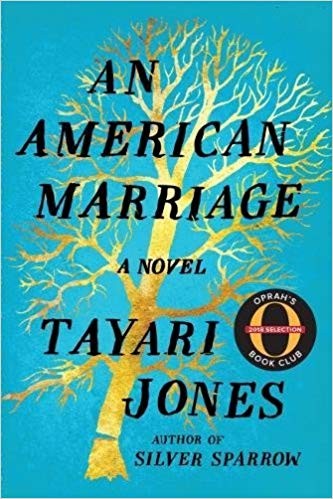
Tayari Jones builds her novel around the same impossible question that drives The Paper Palace: who do you choose when love and loyalty pull in opposite directions, and what do you owe the life you already built? Newlyweds Roy and Celestial are torn apart when Roy is wrongfully imprisoned, and over the years Celestial drifts toward Andre, her oldest friend. Like Heller, Jones writes with literary precision and refuses easy answers, letting every character be sympathetic and culpable at once.
The differences sharpen the appeal. Jones trades Cape Cod's nature writing for an unflinching look at race and the American justice system, and the prose is leaner than Heller's lush, sensory style. There is no childhood sexual abuse here, so it is an emotionally heavy but less harrowing read. Pick it if you want the romantic gut-punch and moral complexity without the darkest content.
For the impossible romantic choice and literary heft, An American Marriage is the closest in spirit. For the lush natural setting wrapped around childhood trauma and isolation, Where the Crawdads Sing is the obvious next read. Both share The Paper Palace's blend of beautiful prose and characters forced to choose between two lives.
Does The Paper Palace have a happy ending?
Heller leaves Elle's choice deliberately ambiguous on the final page, which divided readers. If that frustrated you, An American Marriage and The Seven Husbands of Evelyn Hugo give you firmer resolution. If you loved the open ending, Little Fires Everywhere and Eleanor Oliphant trust you with the same kind of unresolved emotional weight.
Are these books as dark as The Paper Palace?
Some are. The Paper Palace handles childhood sexual abuse directly, and Where the Crawdads Sing and Eleanor Oliphant also deal with abuse and trauma, though less graphically. The Nightingale and An American Marriage are emotionally heavy but not built around sexual violence. We flag the heavier content in each write-up below.
What should I read first from this list?
Start with An American Marriage if the marriage-versus-first-love dilemma was the hook, Where the Crawdads Sing if the Cape Cod nature writing and isolation pulled you in, or The Seven Husbands of Evelyn Hugo if you want a faster, more glamorous page-turner about love and impossible choices.
As an Amazon Associate, we earn from qualifying purchases. · About & methodology