8 books like Eleanor Oliphant Is Completely Fine, from A Man Called Ove to Convenience Store Woman: lonely outsiders, dark pasts, and hard-won connection.
Updated June 11, 2026
Gail Honeyman's debut works because of a very specific balancing act. Eleanor is funny on the page (her literal-minded observations about office small talk and vodka-fueled weekends land as comedy) while the book slowly reveals that her rigid routines are scar tissue over real trauma. The friendship with Raymond, the scruffy IT guy who simply keeps showing up, changes her life not through romance but through ordinary, unglamorous kindness. That combination of wit, loneliness, and a buried past that recontextualizes everything is what most readers are actually missing when they finish it.
The eight books below split along the lines of what you valued most. If it was the endearing outsider whose social wiring runs differently, go to The Rosie Project, The Curious Incident of the Dog in the Night-Time, or The Kiss Quotient. If it was the lonely, prickly person cracked open by unexpected connection, A Man Called Ove and The Unlikely Pilgrimage of Harold Fry are the closest matches in feeling. Convenience Store Woman offers the most challenging take on a woman who does not fit, and Where'd You Go, Bernadette and The Flatshare keep the humor while lightening the load.
A practical note: these vary a lot in darkness. The Flatshare and The Rosie Project are mostly sunny; Ove, Harold Fry, and Eleanor's true kin carry real grief underneath the charm. Each entry below says which side of that line it falls on so you can pick by mood, not just by theme.
Read this if Eleanor's transformation through stubborn, ordinary kindness was the heart of it for you.
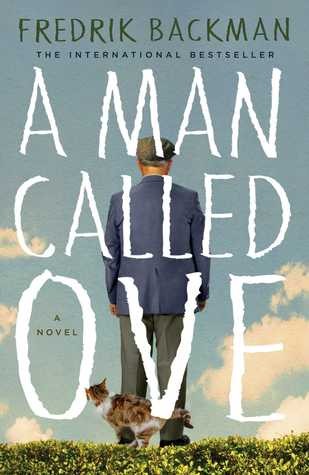
Fredrik Backman's Ove is Eleanor's closest relative in fiction: a rigid, rule-bound loner whose grumpiness is gradually revealed to be grief. Like Honeyman, Backman plays the curmudgeon for laughs early (Ove's wars over parking permits and proper tool use) and then peels back the layers until the comedy and the sadness are the same thing. The pushy new neighbors who refuse to leave Ove alone do for him exactly what Raymond does for Eleanor, dragging him back into the world one small obligation at a time.
The differences are age and tone. Ove is a 59-year-old Swedish widower rather than a 30-year-old Glasgow office worker, and the book is more openly sentimental, with flashbacks to his marriage that aim straight for the tear ducts. Eleanor's darkness is sharper and more withheld; Ove's is worn closer to the surface. If you cried at the end of Eleanor Oliphant and wanted to do it again, this is the most reliable pick on the list.
Read this if you want Eleanor's social misreadings as pure comedy, minus the trauma.
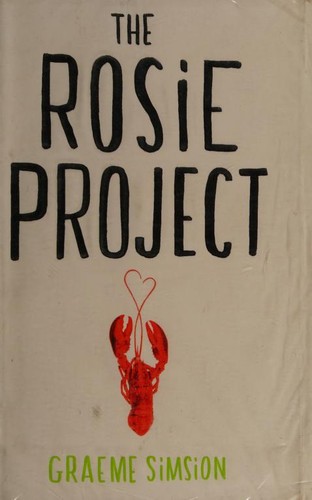
Don Tillman, a genetics professor who designs a questionnaire to find a wife, narrates with the same literal, logical voice that makes Eleanor so funny. Graeme Simsion mines the gap between what Don perceives and what is actually happening for constant comic effect, just as Honeyman does with Eleanor's deadpan reports on her coworkers. Both books are ultimately about a person with a fixed system for living meeting someone who breaks the system.
The crucial difference is weight. The Rosie Project is a romantic comedy with no buried tragedy; there is no Mummy, no fire, no slow-dawning horror underneath the laughs. That makes it a lighter, faster read, and some Eleanor fans find it slight for exactly that reason. Pick it when you want the voice and the warmth without the emotional excavation, or as a palate cleanser after something heavier.
Read this for the most distinctive unconventional narrator in contemporary fiction.
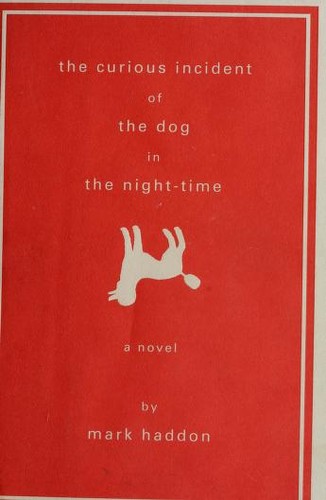
Mark Haddon's novel is narrated by Christopher Boone, a 15-year-old who is brilliant with math and patterns but baffled by faces and lies, as he investigates the death of a neighbor's dog and uncovers painful truths about his own family. Like Eleanor Oliphant, the whole book lives inside one singular perspective, and the pleasure is watching the world refracted through a mind that processes it differently. Both narrators report devastating things flatly, leaving the reader to feel what they cannot say.
This is a stranger, more formally playful book than Honeyman's, with diagrams, math problems, and chapter numbers that follow primes, and its protagonist is a child rather than an adult rebuilding a life. There is no romance and no Raymond figure; the connection at stake is between Christopher and his parents. Choose it if the narration itself was what hooked you, rather than the loneliness-to-friendship arc.
Read this if you want the unsettling version, where the misfit refuses to be fixed.
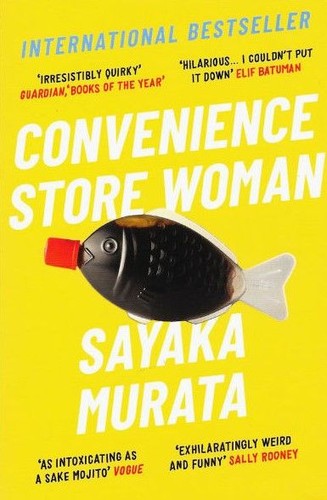
Sayaka Murata's slim novel follows Keiko, who has worked the same Tokyo convenience store job for 18 years and finds in its routines the order and purpose that baffling human society denies her. Like Eleanor, Keiko studies normal people and mimics them to pass; the deadpan observations about social rituals are just as funny and just as pointed. Both books ask what it costs a woman to be legible to everyone around her.
But where Honeyman steers Eleanor toward healing and connection, Murata swerves. Keiko does not want to be saved, and the book quietly suggests the store itself may be her honest answer, which readers find either liberating or chilling. It is also very short, very Japanese in its dry restraint, and free of the warmth that cushions Eleanor's story. Pick it if you are willing to have the premise of Eleanor Oliphant argued with rather than repeated.
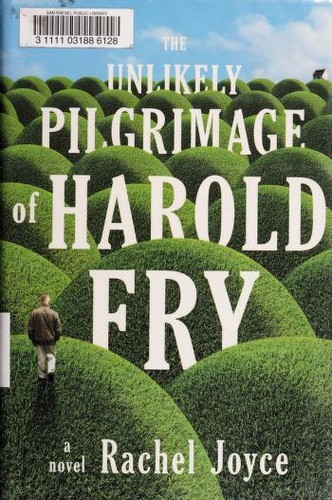
Read this if the quiet grief under Eleanor's routines moved you most.
Rachel Joyce's novel begins with a retired man walking to the postbox with a letter for a dying friend and simply not stopping, walking 600 miles across England instead. Like Eleanor Oliphant, it looks gentle and whimsical from the outside while concealing a core of serious grief, guilt, and a long-buried family tragedy that the book reveals in careful increments. Harold's encounters with strangers do for him what Raymond and Sammy do for Eleanor: they make isolation visible by interrupting it.
It is a slower, more meditative book with an older protagonist and almost no comedy of the laugh-out-loud kind; the humor is wistful rather than sharp. The structure is a literal journey rather than an office-and-flat routine cracking open. Choose it when you want the emotional honesty of Eleanor's story in a quieter register, and be ready for an ending that lands more in sorrow than triumph.
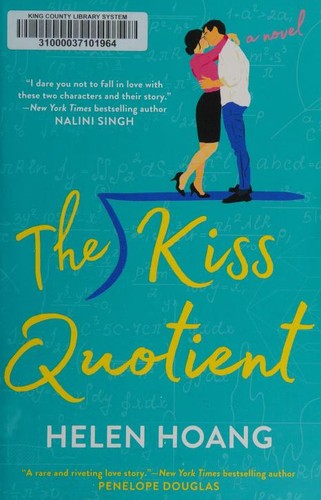
Read this if you want a heroine wired like Eleanor in a genuinely steamy romance.
Helen Hoang's heroine Stella is an econometrician with autism who approaches intimacy the way Eleanor approaches small talk, as a foreign system to be studied, so she hires an escort, Michael, to teach her. The kinship with Eleanor is the inside view of a woman who knows she reads as odd and has built a precise, controlled life around that knowledge, and the way one patient person's attention starts to dismantle her defenses.
This is a full-on romance novel, explicit where Eleanor Oliphant is chaste, and its arc bends toward love rather than recovery; there is no traumatic backstory operating at Honeyman's level of darkness. Hoang, who is autistic herself, writes Stella's perspective with real authority rather than as quirk. Pick it if Eleanor and Raymond's almost-romance left you wanting the actual romance, and skip it if explicit content is not what you are after.
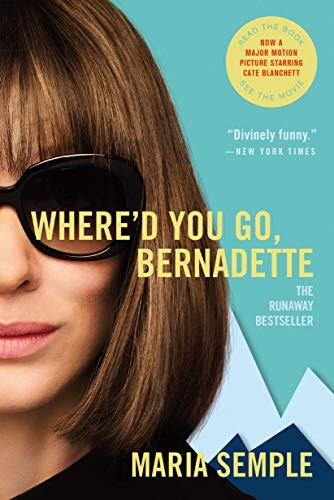
Read this for a sharper, more satirical take on a brilliant woman who has stopped coping.
Maria Semple's Bernadette Fox is what Eleanor might look like with a genius MacArthur-grant past and a teenage daughter: a woman whose retreat from the world has curdled into agoraphobia and feuds with Seattle private-school mothers, until she disappears outright. Like Honeyman, Semple hides genuine pain (a derailed career, lost creative purpose) inside material that plays as comedy, and the book is ultimately about someone being pulled back to life by a person who refuses to give up on her, here her daughter Bee.
The construction is completely different: the story is assembled from emails, letters, school memos, and FBI documents rather than a single confiding voice, and the satire of upper-middle-class Seattle is broader and snarkier than anything in Eleanor Oliphant. It is the busiest, most caffeinated book on this list. Choose it when you want the themes with more plot and more bite, less interiority.
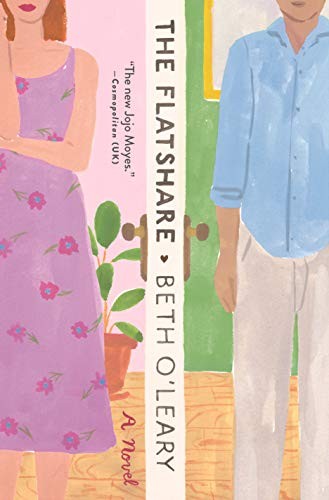
Read this if you want Eleanor's warmth and recovery arc inside a proper romance.
Beth O'Leary's debut has two strangers sharing a flat, and a bed, on opposite schedules, getting to know each other entirely through Post-it notes before they ever meet. The Eleanor connection is Tiffy, who is climbing out of an emotionally abusive relationship and slowly recognizing, as Eleanor must, how thoroughly a controlling person rewired her sense of normal. Like Honeyman, O'Leary treats recovery seriously while keeping the surface buoyant and funny, and Leon plays the Raymond role of steady, undemanding decency.
It is structurally a romantic comedy, told in alternating viewpoints with a guaranteed happy landing, so the stakes never feel as raw as Eleanor's worst chapters. The trauma here is recent and relational rather than buried childhood horror. Pick it when you want comfort with substance, the book equivalent of what Raymond's friendship is to Eleanor.
What should I read if I loved Eleanor Oliphant Is Completely Fine?
A Man Called Ove by Fredrik Backman is the most common and most satisfying follow-up: another funny, prickly loner whose isolation hides grief and who is rescued by persistent ordinary kindness. If you preferred Eleanor's distinctive narration, The Rosie Project and The Curious Incident of the Dog in the Night-Time are the closest voice matches.
Is there a sequel to Eleanor Oliphant Is Completely Fine?
No. Gail Honeyman has not published a sequel, and Eleanor Oliphant remains her only novel to date, which is a big part of why readers go looking for similar books. The story is self-contained and ends with Eleanor in a genuinely better place, so it does not need a continuation.
Is Eleanor Oliphant autistic?
The book never says so, and Gail Honeyman has indicated she did not write Eleanor as autistic; Eleanor's social isolation is presented as the result of childhood trauma and years of loneliness rather than neurodivergence. Readers who want protagonists explicitly written as autistic should look to The Kiss Quotient, whose author Helen Hoang is autistic, or The Curious Incident of the Dog in the Night-Time.
Which of these books is most lighthearted, and which is darkest?
The Flatshare and The Rosie Project are the lightest, both romantic comedies with happy endings and only moderate emotional weight. Convenience Store Woman is the most unsettling, since it questions whether its heroine should change at all, and The Unlikely Pilgrimage of Harold Fry carries the heaviest grief. A Man Called Ove sits in the middle, sad and funny in roughly Eleanor's own proportions.
As an Amazon Associate, we earn from qualifying purchases. · About & methodology