Discover books like The Metamorphosis with surreal premises, alienation, existential dread, and unforgettable literary strangeness.
Updated June 10, 2026
Kafka's The Metamorphosis opens with one of literature's most famous sentences and then refuses to explain it. Gregor Samsa wakes as a giant insect, and the book never tells you how or why. What it does instead is far stranger: it treats the impossible as a household inconvenience, while the genuine horror, a family slowly deciding their breadwinner is now a burden, plays out underneath the surreal premise. It's short, roughly 80 pages, and that compression is the point. Nothing is wasted, nothing is softened.
Readers who finish it tend to want one of three things. Some want more Kafka, that same logic of an ordinary person trapped in a system that operates by dream rules. Some want more absurdist transformation: a flat, matter-of-fact voice describing an existence that has come loose from sense. And some want the existentialist classics that sit nearby on the shelf, books about alienation, obligation, and the search for meaning. The six picks below are sorted along those lines, and each entry tells you which part of The Metamorphosis it carries forward.
A note on translations: The Metamorphosis and The Stranger both read very differently depending on the translator, so it's worth comparing a page or two before you buy. The same goes for the Russian and German titles here.
Read this if you want more of Kafka's exact nightmare logic, at novel length.
If The Metamorphosis left you wanting more of that specific Kafkaesque dread, The Trial is the obvious next book, and it's by Kafka himself. Josef K. is arrested one morning for a crime that is never named, by an authority he can never reach, and the novel follows his slow, futile attempt to defend himself against a charge no one will explain. It runs on the same engine as The Metamorphosis: an absurd premise stated flatly, then followed to its bleak, logical end while everyone around the protagonist treats it as normal.
The differences are mostly scale and finish. The Trial is a full novel and was left unfinished at Kafka's death, so it's baggier and more sprawling than the diamond-hard novella. There's no single shocking image to anchor it, just an accumulating sense of bureaucratic suffocation. If you loved the tight horror of Gregor's room, start with Kafka's short stories instead; if you want to live in the dread longer, this is it.
Read this for the same flat, affectless voice describing an absurd existence.
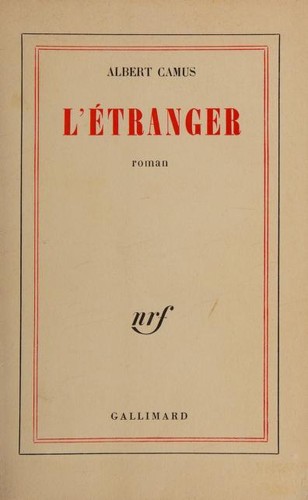
Camus's The Stranger is the closest tonal cousin to The Metamorphosis on this list. Meursault narrates his mother's funeral, a casual love affair, and eventually a murder in the same emotionally detached register Kafka uses for Gregor's transformation: events that should shatter a person reported as if they were weather. Both books strand an alienated man inside a society that judges him for failing to feel and behave the way he is supposed to, and both let the absurdity speak for itself rather than editorializing.
Where Kafka stays surreal, Camus stays realistic: nothing impossible happens in The Stranger, which makes Meursault's indifference the only uncanny thing in an otherwise ordinary world. It's also more openly philosophical, the cornerstone of Camus's idea of the absurd, and it builds to an argument rather than an image. Read it if the mood of The Metamorphosis hooked you more than its fantastical premise. It's a similarly quick read, around 120 pages.
Read this if Gregor's alienation read to you as a mind coming apart.
Many readers experience The Metamorphosis as a story about a person who can no longer participate in ordinary life and watches the world recede from him. The Bell Jar takes that same descent and renders it without metaphor. Esther Greenwood, a gifted young woman in 1950s New York and then back home, narrates her slide into depression with a clear, often wickedly funny voice that makes the suffocation all the more unsettling. Like Kafka's novella, it's about the gap between what society expects of a person and what they are actually able to give.
It's the most realistic and most autobiographical book here, drawn from Plath's own breakdown, and it trades absurdism for sharp social observation about gender and ambition. There is no surreal premise to hide behind, which makes it the more emotionally direct of the two, and the subject matter (mental illness, a suicide attempt) is heavy. Choose it if you read Gregor's transformation as an image of isolation and illness rather than as philosophy.
Read this for the spiteful, self-aware voice of total alienation.
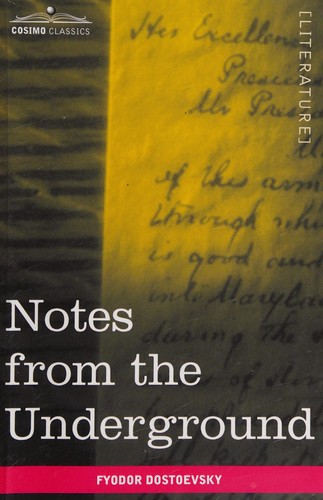
Dostoevsky's Notes from Underground gives you the interior monologue The Metamorphosis mostly withholds. Its unnamed narrator, the Underground Man, is a bitter, brilliant, self-sabotaging civil servant who talks directly to the reader for pages about his own resentment, isolation, and contempt for a rational, ordered society. Where Gregor is alienated by a physical transformation, the Underground Man is alienated by sheer perversity of mind, but both books anatomize the same condition: a man cut off from the people around him and unable to reconnect.
This one is talkier and more philosophical, often called the first existentialist novel, and the first half is dense argument before the second half delivers a brutal little story. It has none of Kafka's dreamlike strangeness; the horror is entirely psychological and entirely human. It's short, around 130 pages, but it's a denser read than The Metamorphosis. Best for readers who want to crawl inside an alienated mind rather than watch one from outside.
Read this if you want the existential questions without the despair.
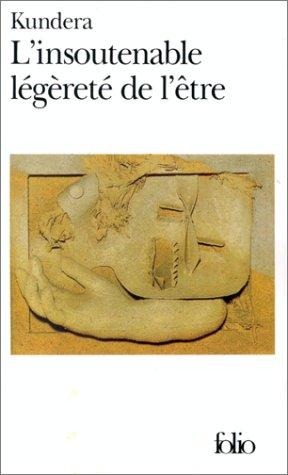
Kundera's novel shares The Metamorphosis's preoccupation with how a person carries the weight of a life, the obligations, choices, and accidents that define us, but it approaches the question from the opposite emotional direction. Following two couples in Prague around the 1968 Soviet invasion, it weaves love, sex, politics, and chance with the author's own philosophical asides about whether our choices matter if we only live once. It's an existential book in the deepest sense, asking what a meaningful life even is.
Tonally it's the outlier here: warmer, sexier, more discursive, and more politically grounded than anything Kafka wrote, with no surreal premise at all. The narrator steps in and out to muse on philosophy, which some readers love and others find intrusive. Reach for it if what drew you to The Metamorphosis was its meditation on duty, freedom, and the meaning of a single human life, rather than its absurdism or dread.
Read this for another quiet rebellion against a life of expected duty.
Kate Chopin's The Awakening rhymes with The Metamorphosis on its central theme: a person who can no longer perform the role their family and society demand. Edna Pontellier, a wife and mother in 1890s Louisiana, gradually realizes she does not want the life that has been arranged for her, and her slow awakening to her own desires alienates her from everyone around her. Like Gregor, she becomes a problem to be managed by a household that needed her to stay in her assigned place.
The differences are large and worth naming. This is a realist novel of the American South, not a surreal or absurdist one, and its concerns are specifically about women's independence and selfhood in a way Kafka's are not. It's gentler in texture but no less bleak in its ending. Pick it if the part of The Metamorphosis that gripped you was the suffocating weight of family obligation and the cost of refusing it.
Gregor Samsa, a traveling salesman supporting his family, wakes one morning transformed into a giant insect. Kafka spends almost no time on how or why. The real story is what happens next: Gregor's growing isolation, his family's shift from shock to resentment to relief, and the quiet horror of being a burden. It reads as a story about alienation, duty, and a body that no longer fits the life expected of it.
How long is The Metamorphosis?
It's a novella, roughly 70 to 90 pages depending on the edition and translation. Most readers finish it in one or two sittings. That brevity is part of its power: the premise never gets explained or padded out. Of the books here, The Stranger and Notes from Underground are the closest in length; The Trial and The Unbearable Lightness of Being are full novels.
What should I read first by Kafka?
The Metamorphosis is the usual starting point, and a fine one. After it, The Trial is the obvious next step: longer, but the same nightmare logic of an ordinary man crushed by a system he cannot understand. His short stories (In the Penal Colony, A Hunger Artist, The Judgment) are also excellent entry points if you want more of the concentrated, parable-like Kafka in small doses.
Is The Metamorphosis existentialism or absurdism?
Kafka predates both labels and resists them, but the book gets claimed by both. It's most often read as absurdist: a meaningless, unexplained event the characters must simply live with. It also shares existentialism's concern with alienation and a life defined by obligation. On this list, The Stranger leans absurdist, while Notes from Underground and The Unbearable Lightness of Being lean existential.
As an Amazon Associate, we earn from qualifying purchases. · About & methodology