Find books like The Little Prince with wonder, philosophy, fable-like storytelling, and emotional depth for readers of every age.
Updated June 10, 2026
The Little Prince is shelved with children's books, but generations of adults keep it on their nightstands, and that contradiction is the whole point. An aviator crashes in the Sahara, meets a small boy who fell from an asteroid, and over a few desert days learns to see again. Saint-Exupéry drew the watercolors himself, wrote in plain, gentle prose, and slipped in lines like 'What is essential is invisible to the eye,' so the book reads as a fairy tale to a child and as a quiet argument about love and loss to everyone older.
Readers who finish it want different things. Some want more philosophical fables, short books that disguise big questions as simple stories. Some want more childhood-wonder classics, illustrated books that hold a feeling rather than a thesis. And some want allegory, journeys that mean more than they say. The five books below are sorted along those lines. Each entry tells you which part of The Little Prince it carries forward and where it diverges, so you can choose by what moved you most.
A practical note: three of these (The Alchemist, Siddhartha, The Prophet) are written for adults, and two (Where the Wild Things Are, The Velveteen Rabbit) are illustrated children's books. We've flagged which is which so you can match the format to your reader.
Read this if you want another short fable about chasing what truly matters.
Paulo Coelho's The Alchemist is the book most people reach for after The Little Prince, and for good reason. Santiago, a Spanish shepherd, follows a recurring dream across the desert toward treasure, and along the way the people he meets keep handing him small lessons that add up to one big one: pay attention to what your heart already knows. Like Saint-Exupéry, Coelho writes in plain, almost biblical simplicity, sets much of the story in the desert, and trusts a quiet parable to do the work of a sermon.
The differences are real. The Alchemist is longer and more plot-driven, with a clear quest and a destination, where The Little Prince circles its meaning in vignettes. It is also written unambiguously for adults and wears its philosophy more openly, which delights some readers and strikes others as heavy-handed. If you loved the wonder of the Prince but wanted a fuller journey, this is the closest match here.
Read this for the same search for meaning, told with more depth and stillness.
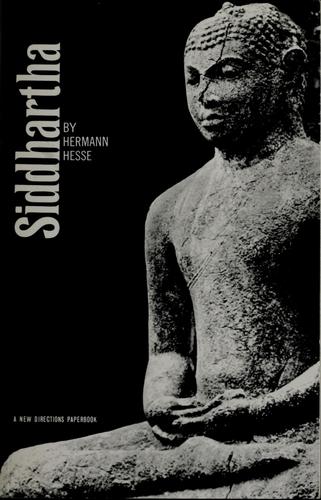
Hermann Hesse's Siddhartha shares The Little Prince's conviction that wisdom can't be taught, only lived. A young man in the time of the Buddha leaves comfort to seek enlightenment, passing through asceticism, love, wealth, and despair before a ferryman and a river teach him what no doctrine could. Like Saint-Exupéry, Hesse strips his prose to something close to a parable and lets a single image (here, the river) carry the book's whole philosophy, the way the fox and the rose carry the Prince's.
It is the most demanding book on this list. Siddhartha is slower, more meditative, and steeped in Eastern spirituality, so it rewards patience rather than delivering charm. There is no whimsy and no illustration; the pleasure is contemplative. If The Little Prince left you wanting to sit with its questions longer, this is the deepest pick here. For a reader who wanted lightness, choose The Alchemist instead.
Read this if the Prince's gentle wisdom mattered more than its plot.
Kahlil Gibran's The Prophet distills the same instinct that drives The Little Prince's most quoted passages: the urge to say something true and tender about love, work, children, and loss in language a child could follow. As a prophet prepares to leave a city, the people ask him to speak on each of life's great subjects, and his answers are short poetic essays that read like the fox's lessons expanded into a whole book.
What it lacks is story. Where the Prince hangs its wisdom on a narrative and watercolors, Gibran offers almost pure aphorism, beautiful but plotless, closer to scripture or poetry than to a tale. That suits readers who underlined the Prince's lines and wanted more of them, and frustrates readers who came for the desert and the rose. It is written for adults and works well dipped into rather than read straight through.
Read this for the childhood-wonder side of the Prince, in picture-book form.
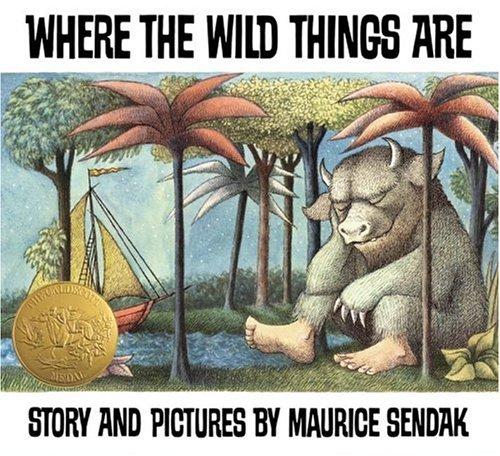
Maurice Sendak's Where the Wild Things Are is a picture book that, like The Little Prince, says far more than its few words suggest. Max, sent to his room, sails to an island of monsters, becomes their king, then chooses to return home to where someone loves him. Sendak's ink-and-watercolor art does what Saint-Exupéry's drawings do: it carries the feeling the sparse text leaves unspoken, trusting the reader to sense the loneliness and longing underneath the adventure.
It is a true children's book, readable in five minutes to a child of three or four, so it offers wonder and emotional truth rather than philosophy you can quote. There is no fox, no grown-up melancholy, no fable about consequence. What it shares is the Prince's deep understanding of a child's inner world. Pair it with the Prince when reading to a young child, or revisit it as an adult for the same bittersweet ache.
Read this if the fox's lesson about love making things real undid you.
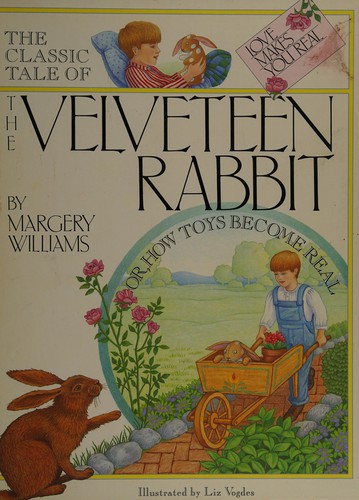
Margery Williams's The Velveteen Rabbit is almost a companion to the fox's chapter in The Little Prince. A stuffed rabbit longs to become Real, and an old toy horse explains that Real isn't how you're made but what happens when a child loves you for a long, long time. That is nearly the fox's lesson, that you become responsible for, and bound to, what you tame, told as a nursery tale with the same gentle, aching tenderness.
Like Where the Wild Things Are, it's an illustrated children's book, shorter and simpler than the Prince, and its sweetness leans closer to sentiment than to philosophy. It has none of the aviator's desert melancholy or the Prince's gallery of foolish grown-ups. But for the specific feeling of love, loss, and being changed by attachment, no book here lands closer to the fox and the rose. Keep tissues nearby.
What is the meaning of The Little Prince for adults?
Saint-Exupéry frames it as a children's book, but its real subject is what adults forget. The fox's line, 'What is essential is invisible to the eye,' and the narrator's grief over the prince argue that love, attention, and wonder matter more than the 'matters of consequence' grown-ups obsess over. The Prophet and Siddhartha on this list chase the same questions in openly adult forms.
Is The Alchemist similar to The Little Prince?
Yes, and it's the most common recommendation. Both are short philosophical fables about following your heart, written in deceptively simple language, and both became worldwide bestsellers read by all ages. The Alchemist is longer, more plot-driven, and aimed squarely at adults, but the spirit of a quest toward what truly matters is nearly identical.
Which of these is best for an adult versus a child?
For adults, start with The Alchemist, Siddhartha, or The Prophet, all written for grown readers. For children (or the child in any reader), Where the Wild Things Are and The Velveteen Rabbit are illustrated picture books that carry the same emotional wisdom in a form a young child can hold.
Are there picture books as beautiful as The Little Prince?
Yes. The Little Prince is unusual because its author drew the watercolors himself. The closest peers here are Maurice Sendak's Where the Wild Things Are, with its iconic ink-and-watercolor monsters, and The Velveteen Rabbit, a gentle illustrated classic about love making things real. Both pair art and feeling the way Saint-Exupéry did.
As an Amazon Associate, we earn from qualifying purchases. · About & methodology