8 books like The Idea of You by Robinne Lee, from One Day to It Ends with Us: age-gap romance, fame, and love stories that refuse to play it safe.
Updated June 11, 2026
Robinne Lee's The Idea of You is often shelved as a guilty pleasure and read as something sharper. Solene Marchand is a 39-year-old Los Angeles gallerist, divorced, with a teenage daughter, who falls into an affair with Hayes Campbell, the 20-year-old star of a boy band her daughter worships. Lee (an actress herself) writes the fame machinery with insider precision, and she refuses the easy ending: the book is really about how the world punishes a woman for wanting, the scrutiny, the double standard, the cost to her daughter. Readers who came for the fantasy stay for the bruise, which is why the 2024 film's softer ending caused such arguments.
No book replicates that exact mix, so this list is sorted by which thread you want to pull. For love stories where timing and circumstance do the damage, One Day, One True Loves, and After I Do carry the same adult melancholy. For the all-consuming, against-the-odds intensity, Beautiful Disaster and It Ends with Us go darker. For romance under public scrutiny with a much lighter heart, Red, White & Royal Blue puts a global spotlight on a forbidden couple, and The Hating Game keeps the banter and the slow surrender. Big Little Lies trades romance for the secrets of women Solene's age, judged just as harshly.
A practical note: these range from frothy to genuinely heavy. It Ends with Us deals with domestic abuse and Beautiful Disaster's central relationship is intentionally volatile, so check the entries below before picking by title alone. Each one tells you what it shares with Solene and Hayes and where it goes its own way.
Read this if Solene's clear-eyed, grown-up view of love and marriage was what hooked you.
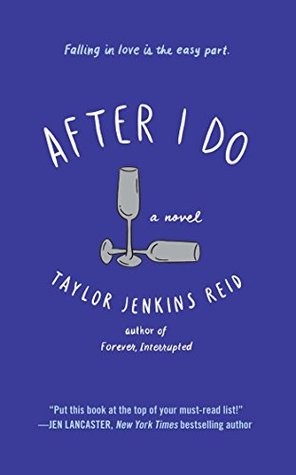
Taylor Jenkins Reid is the author most often handed to The Idea of You readers, and After I Do shows why. Lauren and Ryan, married and miserable, agree to separate for a year with no contact and no rules, and the novel uses that premise to ask the same adult questions Lee asks: what a woman owes herself versus what she owes the people who love her, and whether passion and a sustainable life can be the same thing. Like Solene, Lauren narrates with honesty about desire and resentment that romance novels usually sand off.
There is no fame, no age gap, and no paparazzi; the stakes are entirely domestic, which makes it quieter than The Idea of You but also more relatable. It reads fast and ends warmer than Lee's book does. Pick it if the emotional intelligence was the draw, and note that if it is specifically the rock-star fantasy you want from Reid, her Daisy Jones & The Six and The Seven Husbands of Evelyn Hugo cover fame itself.
Read this if you want the chemistry and tension with none of the heartbreak.
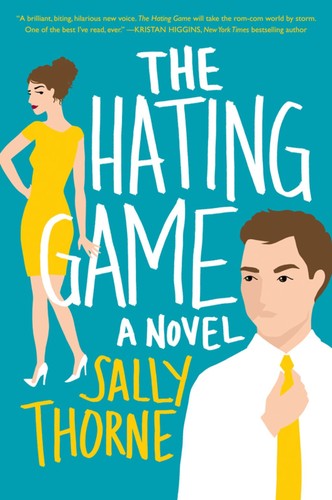
Sally Thorne's office rivals, Lucy and Joshua, sit face to face at competing executive-assistant desks and wage psychological war until the war turns into something else. What it shares with The Idea of You is the slow-burn physical tension and the sense of a buttoned-up professional woman letting herself want something impractical; Thorne, like Lee, is good at the charged small moments, an elevator, a glance, a game with rules neither player admits to.
Everything else is lighter. This is a pure romantic comedy with witty sparring, a contained office world, and a happy ending that is never seriously in doubt. There is no age gap, no fame, and no social cost to the relationship. Choose it as the comfort read after Lee's bruising final act, when you want the falling-in-love part isolated from the consequences part.
Read this if the obsessive, can't-stay-away pull of Solene and Hayes was the addiction.
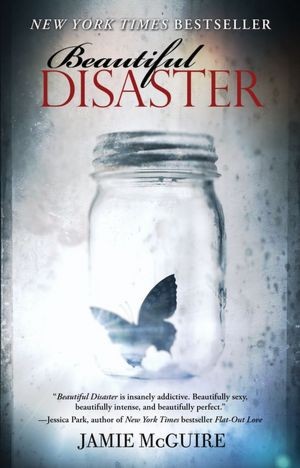
Jamie McGuire's novel runs on the same engine as the affair in The Idea of You: two people who are obviously wrong for each other on paper and cannot stop. Good-girl college student Abby and underground fighter Travis fall into an all-consuming entanglement that begins with a bet, and the book captures the consuming, slightly reckless intensity that made readers tear through Lee's middle chapters in one sitting.
Be honest with yourself about what this is, though. It is new adult romance about 19-year-olds, so the perspective is the inverse of Solene's seasoned, self-aware narration, and Travis's possessive behavior is romanticized in ways that have drawn real criticism since its 2011 publication. The prose is serviceable rather than sharp. Pick it for the intensity fix, knowing you are trading Lee's restraint and adult vantage point for raw, messy melodrama.
Read this if the ache of timing and what-might-have-been is what stayed with you.
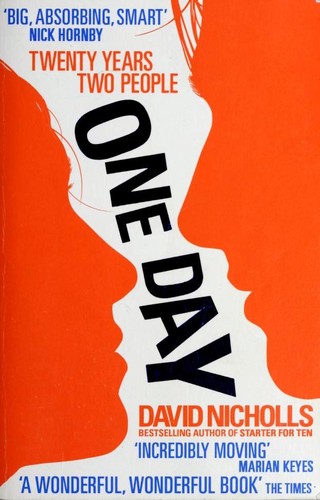
David Nicholls checks in on Emma and Dexter on the same date, July 15th, every year for two decades after one almost-night together at university, and the result is the same species of beautiful hurt as The Idea of You: a love story where the obstacle is not a villain but life itself, careers, pride, other people, and timing that is always slightly off. Like Lee, Nicholls earns his emotion with wit and specificity rather than sentiment, and like Lee he is unafraid of an ending that leaves a mark.
The structure is the star here, and it makes the book bigger in scope than Solene's two-year affair, covering twenty years of two whole lives, with no fame angle and no age gap. Dexter does brush against celebrity as a TV presenter, but scrutiny is not the point; mortality and wasted time are. This is the strongest novel on the list as a novel. Have tissues ready, and know the Netflix series is a faithful companion, not a substitute.
Read this if you want a romance that turns into something harder and more serious.
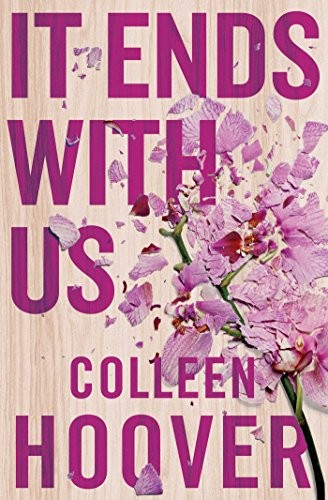
Colleen Hoover's biggest book shares The Idea of You's defining move: it lets you fall for the romance and then makes you sit with its cost. Lily Bloom builds a life and a magnetic relationship with neurosurgeon Ryle while an old first love resurfaces, and the novel pivots from love story to an unflinching look at domestic abuse and the generational patterns behind it, drawn from Hoover's own family history. Like Lee, Hoover is interested in a woman weighing desire against self-preservation and making the brave choice rather than the romantic one.
The subject matter is much heavier than anything in The Idea of You; abuse, not public judgment, is the threat, and readers expecting a standard romance are often blindsided. The prose is plainer than Lee's and the emotional register more direct. Pick it when you are ready for weight, and note there is a sequel, It Starts with Us, if the ending leaves you wanting more.
Read this for women under the same judging gaze, with a murder instead of a romance.
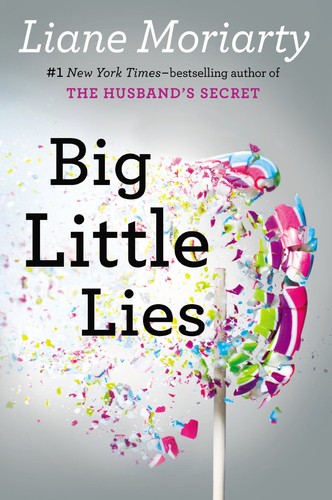
This is the outlier pick, and the connection is the social X-ray rather than the love story. Liane Moriarty follows three mothers in a wealthy Australian beach town whose secrets (an abusive marriage, a hidden past, the politics of the school gate) converge on a death at a trivia night. What it shares with The Idea of You is the merciless attention paid to how women Solene's age are watched, gossiped about, and judged, and the dark comedy of communities that punish any woman who steps out of line.
There is no central romance and no fame; the engine is a whodunit-and-to-whom mystery, told with a Greek chorus of gossiping parents. Moriarty is funnier than Lee and more plot-driven. Choose it if what resonated was Solene's world, motherhood, divorce, appearances, rather than Hayes, and if you have only seen the HBO series, the book stands fully on its own.
Read this if you loved a forbidden romance conducted under the world's cameras, but want it joyful.
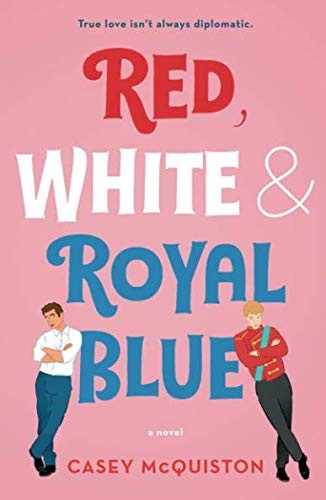
Casey McQuiston's debut is the closest thing on this list to the fame mechanics of The Idea of You. Alex, the American First Son, and Henry, a British prince, go from staged rivalry to secret relationship, and the book understands exactly what Lee understands: what it means to fall in love while PR teams, tabloids, and a public who feel they own you wait to find out. The leaked-emails crisis late in the book lands the same way Solene's exposure does, intimacy turned into content.
The temperament is the opposite, though. This is a buoyant romantic comedy with crackling banter, and it ultimately argues the public can be won over, where Lee argues the public will eat you alive. It is also a queer new-adult romance between two twenty-somethings, so the age-gap and motherhood threads vanish. Pick it when you want the spotlight pressure with a happy ending, basically the version of Solene's story where love gets to win.
Read this if Solene's impossible choice at the end is the part you keep replaying.
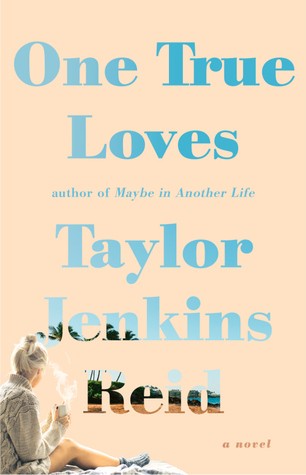
Taylor Jenkins Reid again, and this one targets the exact nerve of The Idea of You's conclusion: a woman forced to choose between two true things. Emma's husband Jesse disappears in a helicopter crash; years later, when she has rebuilt her life and is engaged to Sam, Jesse comes back alive. Like Lee, Reid refuses to make either option a villain or the choice easy, and the book is honest that any decision means real loss, which is precisely the bittersweet register Lee's ending lives in.
There is no fame and no age gap; the obstacle is grief and time rather than tabloids and a tour schedule. It is shorter and more sentimental than The Idea of You, built openly as a tearjerker, and it resolves more cleanly. Choose it when you want the emotional dilemma distilled, and expect to finish it in a day or two.
Robinne Lee has said Hayes Campbell is not Harry Styles, though she has acknowledged a photo of a younger Styles was one visual spark among several, with other inspirations including Prince Harry. The boy band, August Moon, is invented. Readers and the internet made the One Direction connection on their own, and it intensified when the 2024 film cast Nicholas Galitzine in the role.
Does The Idea of You have a happy ending, and is the movie different?
The novel ends with Solene ending the relationship, choosing her daughter and her own survival under the public scrutiny, which is part of why the book hits as hard as it does. The 2024 film with Anne Hathaway softens this considerably, adding a reunion five years later. If you loved the book's bittersweet honesty, One Day and One True Loves on this list deliver a similar ache.
What should I read next if I want more age-gap or older woman, younger man romance?
From this list, the closest emotional matches are One True Loves and After I Do, though neither features the age gap itself. Beyond this list, readers usually go to Idol by Kristen Callihan for a rock-star romance, or to Taylor Jenkins Reid's Daisy Jones & The Six and Malibu Rising for more of the fame world written with adult complexity.
Is Robinne Lee writing a sequel to The Idea of You?
No sequel has been published. The Idea of You, released in 2017, remains Lee's only novel, and she has spoken about the story being complete as written, with the ending intentional. That scarcity is exactly why most read-alike paths lead to Taylor Jenkins Reid, whose books share the emotional honesty if not the premise.
As an Amazon Associate, we earn from qualifying purchases. · About & methodology