9 books like It Ends with Us, from It Starts with Us to The Light We Lost: emotional romances about hard choices, first loves, and starting over.
Updated June 10, 2026
It Ends with Us is Colleen Hoover's biggest book, and it earns its reputation by doing something romance rarely does: it makes you fall for the love interest and then forces you to watch him become dangerous. Lily Bloom builds a life in Boston with neurosurgeon Ryle Kincaid while her first love, Atlas Corrigan, resurfaces, and the novel slowly reframes itself from a love triangle into a story about how hard it is to leave an abusive relationship, even when you swore you would. Hoover drew on her own mother's experience, and the author's note lands harder than the plot. The 2024 film adaptation brought a whole new wave of readers to it.
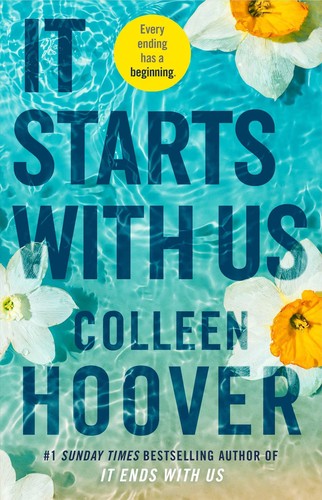
Readers come away wanting different things, and this list covers the spread. If you want the direct continuation, It Starts with Us picks up Lily and Atlas exactly where the first book leaves them. If you want more Hoover, November 9 is her closest book in voice and structure. If you want emotional love stories about timing, choices, and the one who got away, The Light We Lost, Every Summer After, and After I Do sit in that lane, with Things We Never Got Over as the lighter palate cleanser. And if what stayed with you was the emotional devastation more than the romance, The Seven Husbands of Evelyn Hugo, The Song of Achilles, and The Nightingale deliver it at full strength.
A practical note: It Ends with Us is famously hard on readers, and several picks here (The Song of Achilles and The Nightingale especially) will wreck you in different ways. The entries below say which books bruise and which ones comfort, so match your pick to what you can handle right now.
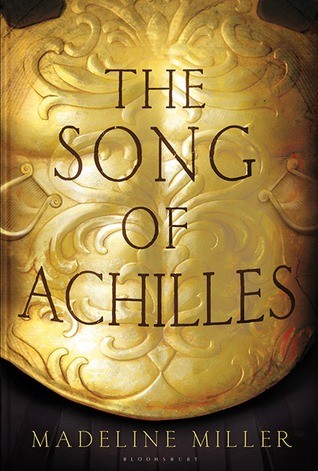
Read this if what you really want is to be emotionally destroyed by a love story.
Madeline Miller's retelling of the Iliad seems like a strange neighbor for a contemporary romance, but it belongs on this list for one reason: no book this side of Hoover gets recommended more often to readers chasing the same emotional devastation. Patroclus narrates his life alongside Achilles from boyhood through the Trojan War, and because the myth fixes the ending in advance, every tender scene doubles as grief. Like It Ends with Us, it is a first-person love story where you can see the wreck coming and keep reading anyway.
Everything else is different: ancient Greece, gods and prophecy, a male couple, and prose that is far more literary than Hoover's plainspoken style. There is no abuse arc and no choice between two loves; fate does all the damage here. Pick it when the thing you loved was crying over a book, not the domestic subject matter, and give yourself a free evening for the last fifty pages.
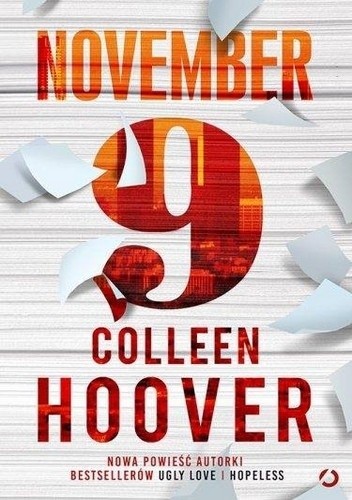
Read this if you want the most It Ends with Us-like book in Hoover's catalog.
Of all Hoover's romances, November 9 is the one that most closely repeats the experience: an intense love story with a structural hook and a buried secret that recontextualizes everything. Fallon and Ben meet on November 9, agree to meet on the same date every year for five years with no contact in between, and the novel doles out one charged day at a time. Like It Ends with Us, it looks like a high-concept romance until a revelation midway forces you to re-read everything that came before.
It is more of a pure romance than It Ends with Us, without the social weight of the abuse storyline, and the central twist divides readers; some find it devastating, others find it contrived. Ben is also a writer, and the book plays metafictional games with that. Pick it when you want Hoover's voice, banter, and emotional whiplash, but be ready for a premise you have to buy into rather than a story grounded in lived experience.
Read this if you want a woman narrating the hard truths of her life, loves and damage included.
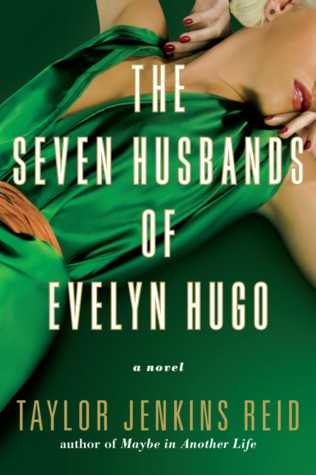
Reid's biggest book connects to It Ends with Us less through plot than through what it does to readers: a magnetic woman tells the unvarnished story of her life, including a marriage that turns violent, and the emotional reveals keep landing until the last pages. Aging Hollywood icon Evelyn Hugo summons an unknown journalist to hear her confession, seven marriages deep, and the real love story hiding inside them is the engine of the book. Like Lily, Evelyn survives an abusive husband, and the novel treats that survival with the same seriousness.
It is a much bigger canvas than Hoover works on: old Hollywood glamour, decades of history, fame as a bargain with costs, and a central queer love story rather than a triangle. The frame narrative also carries a twist of its own. Pick it when you are ready to move from Hoover's intimate first-person present into something with sweep, and keep tissues within reach anyway.
Read this if you want an honest book about a marriage in trouble, minus the danger.
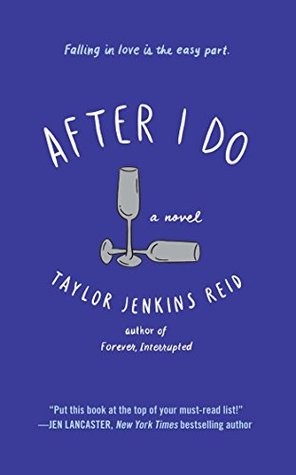
Taylor Jenkins Reid's early novel asks a question adjacent to Hoover's: what do you do when the marriage you chose stops working? Lauren and Ryan, together since college, have curdled into resentment, and they agree to a radical experiment, a year apart with no contact, to find out whether anything is left. Like It Ends with Us, it takes the unglamorous interior of a relationship seriously and lets its narrator be wrong, selfish, and sympathetic at once.
The crucial difference: Ryan is not Ryle. There is no abuse and no villain, just two people who stopped seeing each other, which makes this the pick for readers who wanted Hoover's emotional honesty without the fear. It is also funnier than you expect, with a sharp supporting family. Choose it when you want a love story about staying or going where both answers are genuinely defensible.
Read this first if you need to know what happens to Lily and Atlas.
This is the direct sequel, published in 2022 after years of readers begging for it, and it answers the question the first book's ending opens: what does life actually look like for Lily after she makes her choice? It alternates between Lily's and Atlas's points of view, fills in Atlas's side of their teenage history, and follows them as they try to build something while Ryle remains a presence in Lily's life as her daughter's father. If you closed It Ends with Us needing resolution, this is non-negotiable.
Set expectations, though. Hoover has said she wrote it as a gift to readers, and it reads that way: gentler, lower-stakes, and more romantic than the first book, without the gut-punch structure that made It Ends with Us land. The tension comes from co-parenting with Ryle rather than from any new reversal. Most readers find it satisfying rather than devastating, which after the first book may be exactly what you want.
Read this when you need the comfort read after the heavy one.
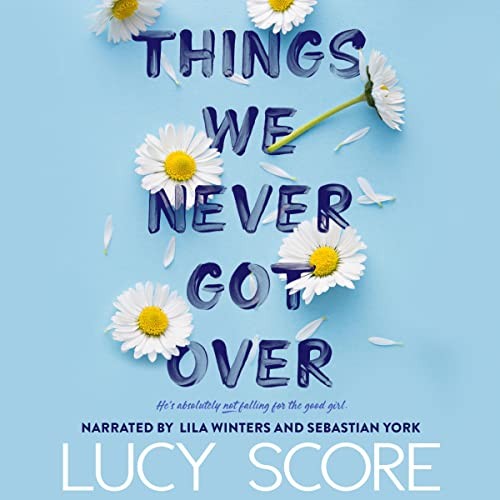
Lucy Score's small-town hit is on this list as the recovery book. Naomi flees her own wedding, lands in Knockemout, Virginia, to bail out her chaotic twin, and ends up with custody of a niece she did not know existed and a grumpy bearded barber named Knox who wants nothing to do with her. It shares Hoover's knack for banter, found family, and a heroine rebuilding her life from a low point, and it became a BookTok phenomenon for many of the same reasons It Ends with Us did.
Tonally it is the opposite end of the spectrum: a romantic comedy, long and unhurried, with explicit romance and stakes that never threaten real darkness. Nobody here will hurt you. If you finished It Ends with Us emotionally flattened and want something warm with the same addictive readability, start here. If you want another book that means something, pick The Light We Lost or The Nightingale instead.
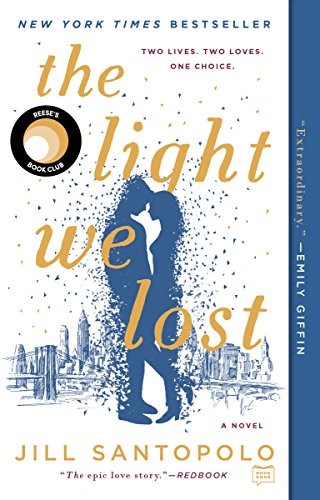
Read this if the years-long pull between Lily and Atlas was the heart of the book for you.
Jill Santopolo's novel is the strongest pick here for the first-love-versus-the-life-you-built theme. Lucy and Gabe meet at Columbia on September 11, 2001, and the book follows thirteen years of coming together and apart as his photojournalism career pulls him toward war zones and she builds a stable life with someone else. Like It Ends with Us, it is narrated by a woman weighing a safe, real love against an all-consuming one, and it refuses to make the choice easy or clean.
There is no abuse storyline; the obstacle here is ambition, timing, and the gap between passion and partnership, so it trades Hoover's danger for a quieter ache. It is written as Lucy speaking directly to Gabe, which gives it an intimacy some readers love and others find heavy-handed, and the ending is a genuine heartbreaker. Choose it when you want to cry over choices rather than survive a marriage.
Read this if you wanted more of teenage Lily and Atlas.
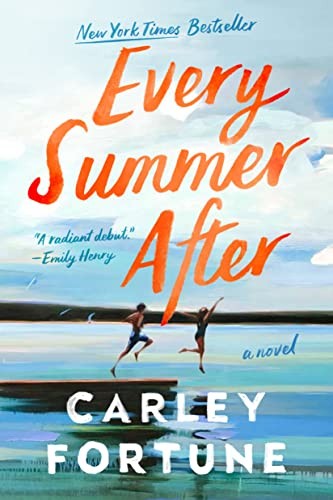
Carley Fortune's debut is built on the same two-timeline architecture that made the Atlas flashbacks work: six summers in the past, one weekend in the present. Percy and Sam fall in love as teenagers at a lake in Ontario, something destroys it, and twelve years later a funeral pulls Percy back to face him. Like It Ends with Us, the past chapters carry an innocence the present chapters mourn, and the book withholds the thing that broke them until late.
It is a softer book than Hoover's, a second-chance romance rather than a survival story, with no Ryle figure and no violence; the wound at its center is a mistake, not a pattern. The nostalgia is the point, all docks and summer reading lists and first everything. Pick it when you want the bittersweet first-love half of It Ends with Us without the parts that made you put the book down and breathe.
Read this if you want women surviving the unsurvivable on a historical scale.
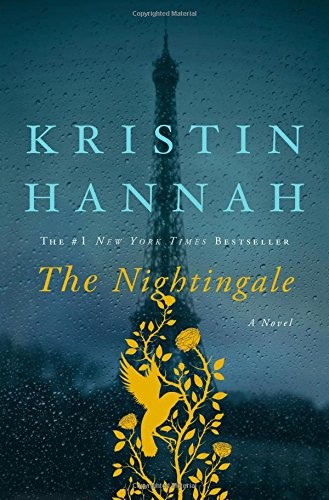
Kristin Hannah's World War II novel is the furthest from It Ends with Us in setting and the closest in what it asks of its readers. Two French sisters, cautious Vianne and reckless Isabelle, endure the German occupation in different ways, one protecting her child at home under an enemy's roof, one running escape lines for downed airmen. Like Hoover's book, it is about women finding out what they can withstand, the costs of staying versus acting, and love persisting through years of damage, and it is openly engineered to make you cry.
This is historical fiction with wartime atrocity, deprivation, and loss, so the darkness is external and historical rather than intimate and domestic. It is also longer and slower to build than anything Hoover writes. Choose it when you are ready to graduate from one emotionally heavy book to a bigger one, and know that the final chapters are widely considered among the most tear-jerking in recent popular fiction.
Should I read It Starts with Us after It Ends with Us?
Yes, if you want resolution for Lily and Atlas; it picks up immediately after the first book and tells Atlas's side. Just know it is intentionally gentler than It Ends with Us, more of a comforting epilogue than another gut-punch. Read the books in publication order: It Ends with Us first, It Starts with Us second.
What Colleen Hoover book is most like It Ends with Us?
November 9 is the closest in feel: an intense romance with a structural hook and a midpoint revelation that reframes the story. Ugly Love and Reminders of Him are also frequent next picks, both heavy on grief and hard-won second chances. If it was specifically the darker, more suspenseful side you liked, Verity is Hoover's thriller, though it is a very different kind of book.
Is It Ends with Us based on a true story?
Not literally, but it is personal. Hoover has said the relationship between Lily's parents reflects her own mother's experience leaving Hoover's father, and the author's note explains that the book grew out of trying to understand why leaving is so hard. The characters and plot are fiction, but the dynamics of the abuse are drawn from that family history.
Which book on this list is the lightest, and which is the heaviest?
Things We Never Got Over is the lightest, a small-town romantic comedy with no real darkness, ideal right after finishing It Ends with Us. The heaviest are The Nightingale, with wartime brutality and loss, and The Song of Achilles, whose ending is fixed by myth and devastating anyway. The Light We Lost sits in between: no violence, but a genuine heartbreaker.
As an Amazon Associate, we earn from qualifying purchases. · About & methodology