8 books like The Cruel Prince, from The Wicked King to An Enchantment of Ravens: scheming mortals, wicked faeries, and enemies-to-lovers court intrigue.
Updated June 10, 2026
The Cruel Prince works because Holly Black refuses to soften anything. Jude Duarte is a mortal girl raised in Elfhame by the faerie general who murdered her parents, and instead of escaping, she decides to out-scheme the creatures who despise her. Black has been writing faeries as genuinely dangerous since Tithe in 2002, and it shows: the Folk here are beautiful, cruel, and bound by rules they exploit like lawyers, and Jude wins by being more ruthless than any of them. The poisonous push-pull with Prince Cardan is the hook everyone remembers, but the engine of the book is political: coups, leverage, and a girl who wants power because power is the only safety.
Readers come away wanting different threads of that. If you just need to know what Jude does next, The Wicked King is the direct sequel and the strongest book in the trilogy. If it was the faerie bargains and mortal-among-the-Folk danger, An Enchantment of Ravens and A Court of Thorns and Roses carry that. If it was the scheming and the murderous flirtation, The Shadows Between Us is practically a dare, and Serpent & Dove delivers the enemies-to-lovers heat. The Raven Boys and The Priory of the Orange Tree round things out for readers who want atmosphere and scale, respectively.
A practical note: these range widely in heat and weight. Serpent & Dove and A Court of Thorns and Roses run more adult than The Cruel Prince, The Raven Boys runs quieter and stranger, and Priory is a doorstopper epic. Each entry below says which part of Elfhame it actually matches.
Read this for faerie peril in a single, self-contained sitting.
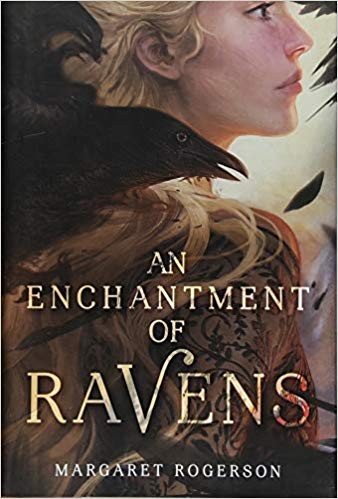
Margaret Rogerson writes the Folk by the same rules Holly Black does: inhuman, bound by bargains, incapable of craft, and dangerous precisely when they are most charming. Isobel is a mortal portrait painter whose work the fair folk covet, and when she paints mortal sorrow into the eyes of Rook, the autumn prince, the mistake drags her into his world under threat of death. The mortal-girl-versus-faerie-court dynamic, and the slow shift from threat to attraction, sit very close to Jude and Cardan's early chapters.
The difference is temperament. This is a standalone, short and romantic, with none of the trilogy-scale political machinery of Elfhame; the stakes stay personal and the tone is lusher and gentler, closer to a fairy tale than a coup. Jude would eat Isobel alive. Pick it when you want the faerie atmosphere and the romance without committing to another series, and do not expect Black's body count.
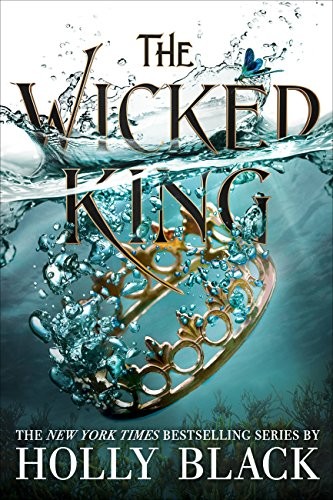
Read this first; it is the direct sequel and the best book in the trilogy.
If you finished The Cruel Prince on that ending, this is not optional. The Wicked King picks up with Jude holding power through the most fragile arrangement imaginable, and the entire book is the cost of keeping it: betrayals from every direction, the sea Folk circling, and a relationship with Cardan that gets more tangled as the leverage between them shifts. Most readers and critics consider it the high point of the Folk of the Air trilogy, with the series' best cliffhanger.
There is no difference to weigh here, only a warning: the trilogy is best read close together, because the second book ends on a knife edge that The Queen of Nothing exists to resolve. If you read The Cruel Prince a while ago, a quick refresher on who holds what oath will pay off. Then clear an evening, because this one moves.
Read this if you want the faerie romance turned all the way up.
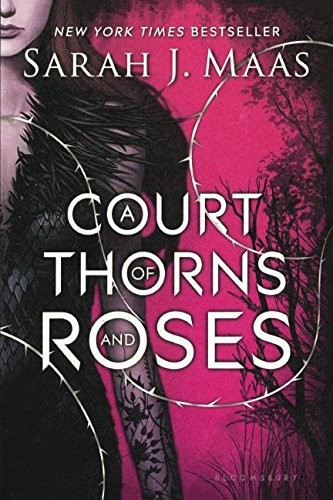
Sarah J. Maas's series is the other pillar of modern faerie fantasy, and the overlap with The Cruel Prince is real: a mortal girl taken into a faerie realm, courts with names and rivalries, bargains with teeth, and a romance that begins in captivity and suspicion. Feyre's arc from huntress to player in Prythian's politics will satisfy readers who liked watching Jude claw her way from victim to threat, and the second book's court intrigue is some of the best Maas has written.
The proportions are different, though. Maas centers the romance and writes it explicitly adult, where Black keeps Jude's story YA and lets scheming carry more weight than longing. Maas's faeries are also ultimately more romantic-hero than monster; Black never quite lets you trust the Folk. Choose this for heat and sweep. If what you loved was Jude's cold-blooded plotting, The Shadows Between Us is the closer match.
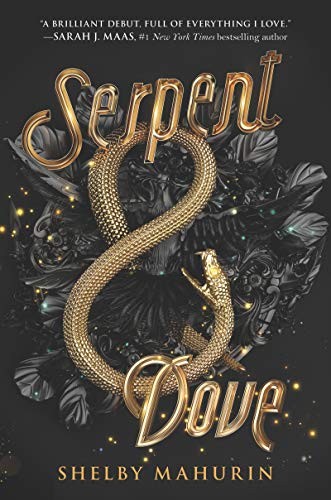
Read this for enemies-to-lovers with a forced marriage and real bite.
Lou and Reid are a witch and a witch hunter bound in marriage, each raised to want the other's kind dead, and Shelby Mahurin mines that setup for exactly the antagonistic chemistry that powers Jude and Cardan. Lou shares Jude's survival instincts and sharp tongue, the French-inspired setting of witch burnings and a militant Church gives the hatred real stakes, and the slow thaw between the leads is earned scene by scene rather than asserted.
This is a romance-first fantasy, not a political one. There is no court to seize, no Elfhame-style web of oaths and leverage; the worldbuilding exists mainly to keep the leads in conflict, and the content runs hotter and more adult than The Cruel Prince. Pick it when the relationship was the thing, and know the sequels are generally considered a step down from the first book.
Read this if you want a lighter fairy-tale retelling between heavier books.
Laura Burton and Jessie Cal write fairy-tale retellings, and this Snow White reimagining offers the surface pleasures that drew many readers to Elfhame: a magical setting, royal intrigue, and a heroine navigating a world that wants her gone. As part of a linked series of retellings, it is built for readers who want to stay in fairy-tale territory and move quickly from one story to the next.
Set expectations honestly, though: this is a far lighter, more romance-forward book than The Cruel Prince, from a self-published series rather than a major-press fantasy, and it does not attempt Black's moral murkiness or political plotting. Jude's knife-edge ruthlessness is not on the menu. It earns a spot as the comfort read on this list, best for when you want enchantment without the cruelty.
Read this if Jude's ambition was the whole point for you.
Tricia Levenseller's pitch is the most Jude-coded on this list: Alessandra plans to charm the untouchable Shadow King, marry him, kill him, and take his throne. She is vain, calculating, and completely unapologetic about wanting power, and the book commits to letting her be that way without punishing or redeeming her into softness. Readers who loved that Jude never apologizes for her ambition, and that her romance is a negotiation between two dangerous people, will feel at home immediately.
It is a lighter machine than The Cruel Prince: a standalone with a smaller cast, a thinner political world, and a tone that plays its wickedness partly for fun rather than dread. There are no faeries at all, just a cursed king and a court. Think of it as the dessert version of Jude and Cardan, fast, sharp, and finished in one book, rather than another slow-built trilogy of betrayals.
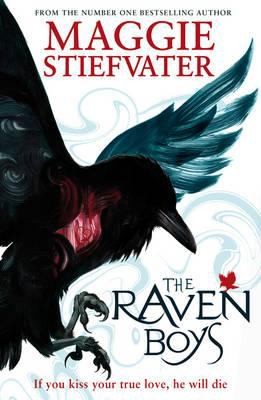
Read this for the eerie magic and the found family rather than the scheming.
Maggie Stiefvater shares Black's gift for making magic feel genuinely uncanny rather than decorative. Blue Sargent, the one non-psychic in a family of psychics, falls in with four private-school boys hunting a dead Welsh king along a ley line in Virginia, and the series builds the same sense The Cruel Prince has that the otherworld is close, beautiful, and not safe. The class friction between Blue and the Aglionby boys also echoes Jude's outsider rage among the Folk.
But this is a different animal: contemporary American setting, slow dreamlike pacing, and a story powered by friendship and longing rather than coups and leverage. Nobody is plotting to seize a throne. Readers who wanted more knives sometimes stall on it; readers who wanted more atmosphere often end up liking the four-book Raven Cycle better than almost anything else in YA. Pick it for the mood, not the politics.
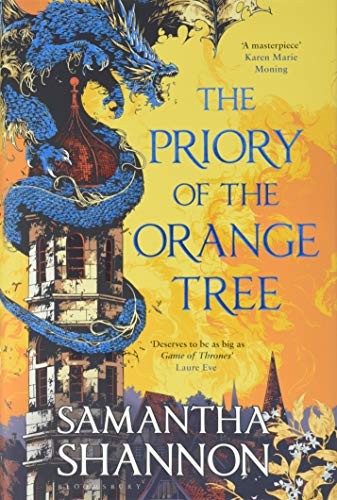
Read this if you want court intrigue at full epic scale.
Samantha Shannon's standalone epic serves the political half of The Cruel Prince at ten times the size: a queendom whose unmarried ruler is one assassination from chaos, courtiers and spies maneuvering across rival nations, and women who hold and fight for power on every side of the map. Readers who finished Black's trilogy hungry for more throne-room chess, secret loyalties, and consequences that reshape whole realms will find all of it here, plus dragons handled with real originality.
Know what you are signing up for. This is adult high fantasy at over 800 pages, with multiple point-of-view characters and a deliberate pace; there is no Cardan figure, and the central romance (a slow burn between a queen and her lady-in-waiting) is one thread among many rather than the engine. It asks for a commitment The Cruel Prince never does. Take it on when you want scope, not speed.
What order should I read The Cruel Prince series in?
The Folk of the Air trilogy runs The Cruel Prince, The Wicked King, then The Queen of Nothing, and it is best read in order and close together, since the second book ends on a major cliffhanger. Holly Black later added How the King of Elfhame Learned to Hate Stories, an illustrated Cardan novella, and The Stolen Heir duology, which follows new leads in the same world a few years later.
What is the closest book to The Cruel Prince?
For the faerie-court danger with a mortal heroine, An Enchantment of Ravens by Margaret Rogerson is the closest single book, with the same rules-bound, predatory Folk. For Jude's specific brand of ambition and a romance built on scheming, The Shadows Between Us by Tricia Levenseller is the best match, though it swaps faeries for a cursed king.
Is A Court of Thorns and Roses like The Cruel Prince?
They overlap in premise (a mortal girl pulled into a faerie court, bargains, enemies-to-lovers tension) but differ in emphasis. Maas centers the romance and writes it for an adult audience, while Black keeps the focus on political scheming and writes YA. Readers who loved Cardan usually enjoy Maas; readers who loved Jude's plotting sometimes find ACOTAR too romance-forward.
Should I read Holly Black's earlier faerie books first?
No, The Cruel Prince stands on its own. But Black's Modern Faerie Tales (Tithe, Valiant, Ironside, from the early 2000s) are set in the same universe, and a couple of their characters surface in the Folk of the Air books. If you finish the trilogy and want more of Black's grittier, urban take on the same Folk, they are the natural backlist read.
As an Amazon Associate, we earn from qualifying purchases. · About & methodology