Loved Raising Hare? Discover reflective nature writing, animal memoirs, and quiet books about attention, care, and the wild.
Updated June 10, 2026
Raising Hare is Chloe Dalton's memoir of finding a newborn leveret on a country track during the pandemic lockdowns and raising it without ever taming it. Dalton was a political adviser and speechwriter used to a frantic Westminster pace, and the book's real subject is what happens when that life stops and a wild animal that cannot be domesticated takes up residence in your house on its own terms. The hare is never named, never caged, and comes and goes as it pleases, and Dalton's close, patient observation of it becomes a quiet argument for paying attention to the natural world.
An honest note about this list: it is not a shelf of nature memoirs. What these books share with Raising Hare is temperament rather than subject, the quiet humor, the close noticing, and the idea that a small unexpected encounter can reorder a life. Alan Bennett's The Uncommon Reader is the closest match in spirit, a short English book about a life transformed by an accidental discovery. The rest splits between fiction told through unusual, precisely observed minds (The Curious Incident of the Dog in the Night-Time, The Secret Life of Walter Mitty) and superb short fiction for readers who loved Dalton's compressed, chapter-by-chapter attentiveness (Tenth of December, Birds of America, Stay Awake, and an O. Henry Prize anthology).
Practically, almost everything here is short or built from short pieces, so these are good bedside books to read the way Raising Hare itself reads best, a little at a time. If what you want is strictly more hares, fields, and wild animals, skip to the FAQ, where we name the closest nature-writing companions that are not on this list.
Read this for a sampler of the year's best short fiction in one volume.
The O. Henry Prize anthology gathers twenty prize-winning stories from English-language magazines each year, and the 2021 volume was selected by the novelist Chimamanda Ngozi Adichie. For a Raising Hare reader the appeal is the format: like Dalton's short chapters, each story is a complete, self-contained act of attention, and an anthology lets you sample many sensibilities, including international and translated voices, without committing to any single one.
The trade-off of any anthology is unevenness and the absence of one guiding voice, which is precisely what Raising Hare has and this does not. There is no animal or nature theme connecting the selections. Treat it as a tasting menu: read it to discover two or three writers you love, then follow them to their own collections, possibly including the Saunders, Moore, and Chaon books elsewhere on this list.
Read this only if you want the dark, unsettling end of quiet realism.
Dan Chaon's 2012 collection is built from lives interrupted, by grief, accidents, insomnia, and losses that arrive as suddenly as Dalton's leveret did, though to opposite effect. Like Raising Hare, these stories are about people knocked out of their routines and forced to see their lives from outside. Chaon is a patient, precise observer of ordinary American settings, and readers who admired Dalton's restraint will recognize the control here.
This is the furthest tonal stretch on the list and you should know that going in. Chaon writes haunted, sometimes macabre stories, closer to a literary ghost story than to nature writing, and there is little of Raising Hare's consolation in them. Pick it up if the lockdown stillness and mortality lurking at the edges of Dalton's book were what gripped you, and skip it if you came for gentleness.
Read this if you want razor-sharp wit applied to quiet, ordinary lives.
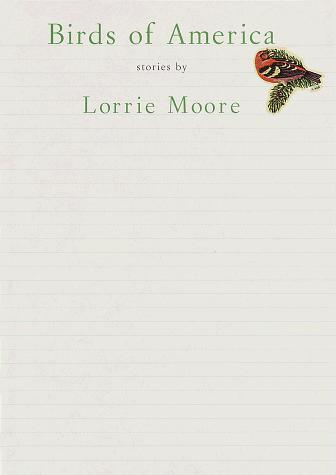
Lorrie Moore's 1998 collection is widely considered one of the best American story collections of its era, and despite the title it is about people, not birds. What it shares with Raising Hare is scale: Moore works in small domestic moments, hospital waiting rooms, awkward holidays, failing relationships, and finds the whole of a life in them, the way Dalton finds large questions in a hare crossing a lawn. Both writers are exact about small physical details.
Moore is much funnier and much sadder than Dalton, often in the same sentence, and her humor has an edge of desperation that Raising Hare's calm never approaches. The standout story, People Like That Are the Only People Here, about a baby in a pediatric oncology ward, is genuinely devastating. Come here for the prose and the wit, not for comfort or countryside.
Read this if you loved seeing the familiar world through a wholly different way of noticing.
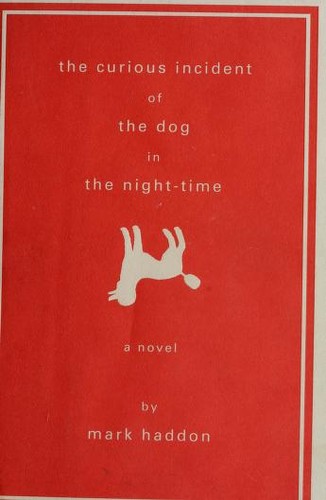
Mark Haddon's novel is narrated by Christopher, a fifteen-year-old with an extraordinary mind for patterns, maths, and exact observation, who sets out to solve the killing of a neighbour's dog and ends up uncovering the truth about his own family. The connection to Raising Hare is the act of attention itself. Dalton learns to read a hare's ears and habits; Christopher reads timetables, prime numbers, and the overwhelming sensory noise of the world, and both books make you feel how much most of us simply fail to notice.
It is a far more plotted and more emotionally turbulent book than Dalton's, with family betrayal at its centre and a frightening journey across London in its second half. The animal in the title is a victim, not a companion. Choose it when you are ready for a novel with momentum and a lump in the throat, rather than another meditative book to sip slowly.
Read this if you loved watching one unexpected encounter quietly remake a life.
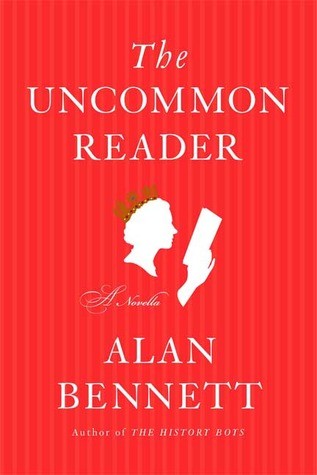
Alan Bennett's novella is the closest thing on this list to Raising Hare's shape. The Queen, chasing her corgis behind the palace, stumbles on a mobile library, borrows a book out of politeness, and finds her entire way of seeing the world gradually transformed. That is Dalton's story with a book in place of a leveret: a busy, duty-bound life interrupted by something small, and the interruption turning out to be the point. Both are short, very English, and gentle without being soft.
The difference is that Bennett is a comic writer first, and The Uncommon Reader is consistently funny in a dry, sly way that Raising Hare only occasionally attempts. There is no natural world here at all, just books, courtiers, and one increasingly distracted monarch. Pick it up when you want the same feeling Raising Hare gave you, delivered in a single sitting, and do not be surprised if it sends you off to read a dozen other things, which is rather its theme.
Read this for a small, perfect classic about an ordinary life and an escaping mind.
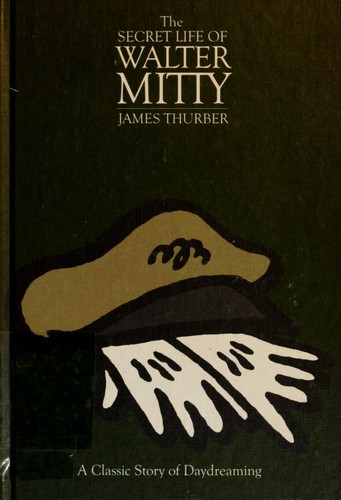
James Thurber's famous story follows a mild, henpecked man running weekend errands while his imagination casts him as a navy pilot, a surgeon, and a condemned hero. The kinship with Raising Hare is the gap both books explore between a constrained daily routine and a wilder inner life. Dalton's escape arrived on four legs in a real field; Mitty's never leaves his head, which is both the joke and the sadness of the story.
Know what you are getting: this is a short story from 1939, readable in fifteen minutes, often packaged with Thurber's other comic pieces. There is no nature, no transformation, and no resolution, just a flawless miniature about daydreaming. It is best treated as a palate cleanser between longer books, and as a prompt to ask why Mitty never got his hare.
Read this for compressed, humane storytelling that rewards the same patient attention.
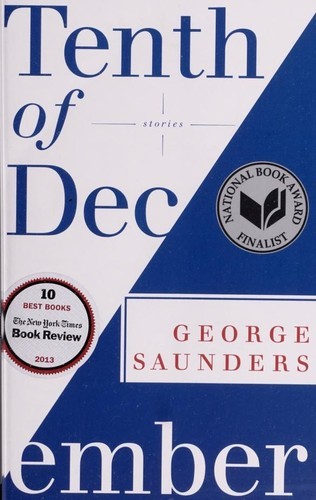
George Saunders's 2013 collection is the strongest pure writing on this list. The stories are odd on the surface (theme parks, pharmaceutical trials, suburban one-upmanship), but underneath every one is the thing Raising Hare is also about: ordinary people being pulled, almost against their will, toward tenderness. The title story, in which a dying man and a daydreaming boy save each other in a frozen wood, has some of the same winter-field stillness Dalton's best chapters have.
Be clear about the tonal gap, though. Saunders is satirical, sometimes dark, and his America of debt and dead-end jobs is a long way from a quiet English barn. There are no animals to speak of and nothing pastoral. This is the pick for readers who valued Raising Hare's emotional precision and short, complete chapters rather than its countryside, and who want fiction that earns its warmth the hard way.
It is a memoir, not a novel. Dalton, a political adviser and speechwriter, found a newborn leveret on a country track during the COVID lockdowns and raised it at her home in the English countryside without taming or caging it. The book follows the hare as it grows and comes and goes freely, and uses that relationship to reflect on attention, wildness, and stepping off the professional treadmill.
What should I read if I want more nature memoirs like Raising Hare?
The closest companions are not on this list. Try H Is for Hawk by Helen Macdonald, a memoir of training a goshawk through grief, The Salt Path by Raynor Winn for walking and recovery in the English landscape, and Wintering by Katherine May for the pandemic-adjacent theme of retreat and rest. For hares specifically, readers often pair Dalton with classic British nature writing such as Richard Mabey or Robert Macfarlane.
How is this list connected to Raising Hare if the books are not about nature?
The links are tone and form rather than subject. These books share Raising Hare's quiet humor, close observation, and interest in lives reordered by small unexpected encounters. The Uncommon Reader matches its shape most closely, while the story collections suit readers who loved its short, complete chapters. If you strictly want animals and landscape, use the nature-memoir suggestions in the previous answer.
Is Raising Hare a quick read?
Yes, relatively. It is a slim memoir written in short, episodic chapters that follow the seasons, and most readers finish it in a few sittings. It rewards slow reading more than speed, though, since the pleasure is in the detail of Dalton's observation, and several books on this list (The Uncommon Reader, The Secret Life of Walter Mitty) suit the same unhurried, small-doses approach.
As an Amazon Associate, we earn from qualifying purchases. · About & methodology