7 books like Lessons in Chemistry, from The Rosie Project to The Immortal Life of Henrietta Lacks: smart heroines, science, and social bite.
Updated June 10, 2026
Bonnie Garmus's Lessons in Chemistry works because it balances things that rarely sit together. Elizabeth Zott is a brilliant chemist in early 1960s America who is pushed out of research and ends up hosting a cooking show, where she teaches housewives chemistry and, by extension, their own worth. The book is funny (the dog, Six-Thirty, narrates some of it), but underneath the charm is real anger about how institutions treated women, and real grief in the Calvin Evans storyline. Readers love it for the voice: deadpan, precise, and stubbornly rational in a world that is not.
What you want next depends on which half of that balance hooked you. If it was the endearingly literal, science-brained protagonist, The Rosie Project and Eleanor Oliphant Is Completely Fine are the closest matches in voice. If it was the social critique of how women are dismissed and contained, Little Fires Everywhere, Such a Fun Age, and The Girl with the Louding Voice carry that thread into different eras and settings. And if the science itself drew you in, The Immortal Life of Henrietta Lacks is the true story where science and a woman's life collide for real.
A practical note: only one book here is nonfiction (Henrietta Lacks) and only one is a straight mystery (The Disappearing Act). The rest are character-driven novels, so read the entries below for tone, since these range from warm and comic to genuinely heavy.
Read this if Elizabeth Zott's literal, scientific way of seeing the world was the best part.
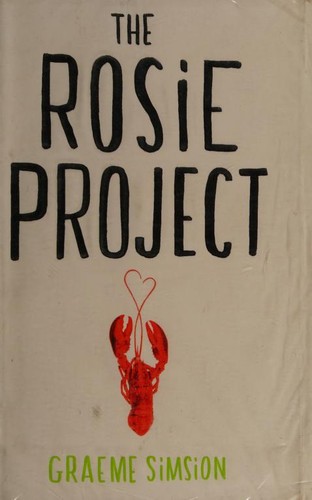
Graeme Simsion's novel is the most common pairing with Lessons in Chemistry, and the kinship is in the voice. Don Tillman is a genetics professor who approaches everything, including finding a wife, as an optimization problem, and his rigid logic colliding with messy human behavior produces the same kind of comedy Garmus gets from Elizabeth treating cooking as chemistry. Both books love a protagonist who is right about the facts and baffled by the social rules everyone else pretends are natural.
The difference is stakes. The Rosie Project is a romantic comedy first and stays light; there is no equivalent of Garmus's anger about sexism or her darker chapters, and Don, unlike Elizabeth, is not being punished by his institution. Pick it when you want the charm and the laughs without the grief. It is also the start of a trilogy, so if Don's voice works for you there are two more books waiting.
Read this if you want the real history of what science did to women it did not respect.
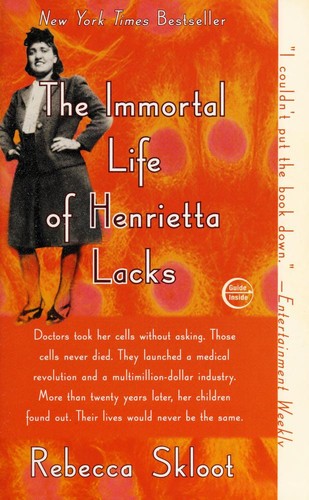
Rebecca Skloot's nonfiction account is the factual shadow of the world Garmus fictionalizes. Henrietta Lacks was a poor Black woman whose cervical cancer cells were taken without her knowledge in 1951 and became HeLa, the immortal cell line behind the polio vaccine and decades of research. Like Lessons in Chemistry, it is about the gap between what science achieves and how the institutions of mid-century America treated the people, especially women, it achieved it with. The timeline even overlaps with Elizabeth Zott's era.
It is a very different reading experience: reported nonfiction that braids cell biology, the Lacks family's story, and questions of medical ethics and race, with none of Garmus's comic relief. Skloot is a clear, patient explainer, so the science is accessible, but the injustice is real rather than fictional and lands harder for it. Choose this when you finish Lessons in Chemistry wanting substance over charm.
Read this if you loved an isolated, rule-bound heroine slowly letting people in.
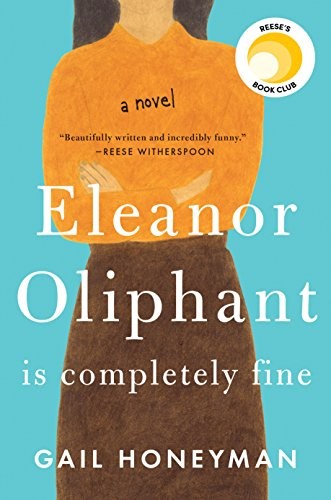
Gail Honeyman's Eleanor is, like Elizabeth Zott, a woman whose odd, formal manner makes the people around her underestimate what she has survived. Both novels run on the same engine: a narrator whose blunt observations are funny on the surface while a painful backstory is gradually disclosed underneath, and both argue that found family (a coworker, a neighbor, a dog) does more healing than any institution. If the chapters about Elizabeth's grief and her makeshift household moved you, this is the closest emotional match on the list.
Eleanor is contemporary Glasgow rather than 1960s California, and there is no science angle and no career plot; the canvas is smaller and more interior. The trauma reveal is also darker than anything in Garmus. It starts as a comedy of awkwardness and becomes something heavier, so go in knowing the tonal turn is coming. Readers who want warmth with a bruise under it will be satisfied.
Read this for the sharpest take on motherhood, conformity, and who gets to break the rules.
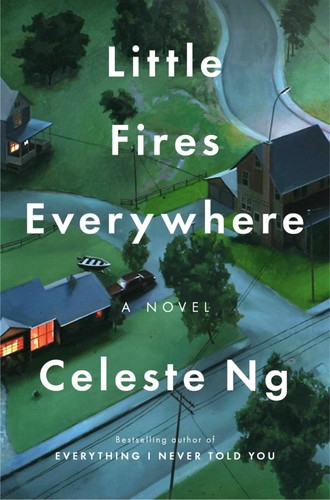
Celeste Ng is doing, with a colder eye, what Garmus does with jokes: dissecting the rules imposed on women and what it costs to follow or refuse them. Set in the planned community of Shaker Heights, Ohio in the 1990s, it pits an artist single mother against a model suburban family, with a custody battle over a Chinese American baby forcing every character to show what they actually believe about motherhood and class. Elizabeth Zott's refusal to apologize for being an unmarried mother has a direct echo in Mia Warren.
Ng is the more controlled literary writer; there is no comic narrator and no underdog triumph, and the ending is deliberately uncomfortable rather than satisfying. Race and privilege are central here in a way they are not in Lessons in Chemistry. Pick this when you want the social critique taken seriously on its own, without the cooking-show sugar. It moves fast for a literary novel and was a major Hulu adaptation.
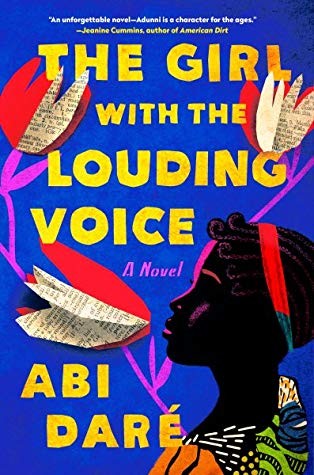
Read this if Elizabeth fighting for her voice was the story for you.
Abi Daré's novel is about Adunni, a fourteen-year-old Nigerian girl sold into marriage and then domestic servitude, who holds onto one goal: an education and what she calls a louding voice, the ability to speak for herself and be heard. The spine is the same as Garmus's, a female protagonist whom every surrounding institution wants silent and useful, refusing to stay that way, and like Elizabeth, Adunni finds individual allies even where the system offers none.
Everything around that spine is different. The stakes are survival rather than career, the setting is contemporary Nigeria rather than midcentury America, and Daré writes in Adunni's distinctive nonstandard English, which takes a few chapters to settle into and then becomes the book's greatest strength. It is harder reading emotionally than Lessons in Chemistry, with abuse on the page, but it earns its hope. Choose it to see the same fight at much higher stakes.
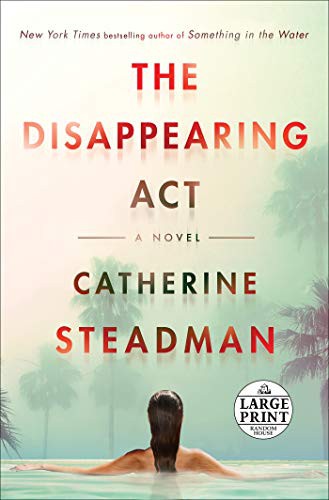
Read this only if what you want next is suspense, not another Elizabeth Zott.
Catherine Steadman's thriller is the outlier on this list, and it is worth being plain about that. The connection to Lessons in Chemistry is a capable woman navigating an industry built to use her: Steadman, an actress herself, sets the book in audition-season Los Angeles, where a British actress gets entangled in another woman's disappearance, and the satire of how the entertainment business processes women has some overlap with Garmus's view of 1960s television.
But this is a plot-first mystery, not a character study, and there is no science, no comedy of voice, and no period setting. Steadman writes propulsive, twisty commercial suspense in the vein of her bestseller Something in the Water. If you finished Lessons in Chemistry and mostly want a fast page-turner with a woman keeping her nerve under pressure, this works; if you want the wit and the chemistry-class warmth, pick almost anything else here first.
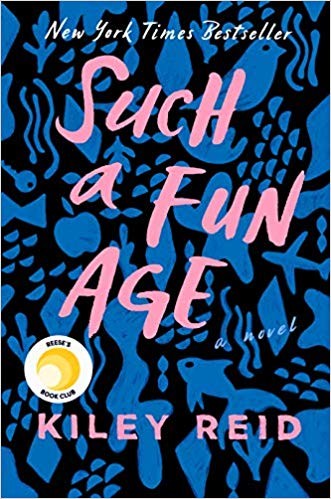
Read this for a modern, racially charged take on who gets believed and who gets used.
Kiley Reid's debut shares Garmus's method of smuggling social critique inside a highly readable, often funny story. Emira Tucker, a young Black babysitter, is accused of kidnapping the white toddler she cares for, and the fallout exposes her employer Alix's need to be seen as one of the good ones. Like Lessons in Chemistry, it is about a woman whom wealthier, more powerful people keep trying to define, and both books are sharp on the gap between performed support and the real thing.
Reid's satire is contemporary and aimed at race and class as much as gender, and her style is cooler: no quirky narrator, no triumphant arc, and an ending that resolves the plot without absolving anyone. It is a fast read, a Booker Prize longlist title, and a good test of whether you liked Garmus for her themes or for her sentimentality, because Reid keeps the former and refuses the latter.
What book is most similar to Lessons in Chemistry?
The Rosie Project by Graeme Simsion is the most frequent recommendation, because Don Tillman's hyper-rational, socially literal voice is the closest match for Elizabeth Zott's. For the feminist themes rather than the voice, readers most often pair Garmus with Little Fires Everywhere or Eleanor Oliphant Is Completely Fine, which shares the isolated-heroine warmth.
Has Bonnie Garmus written other books like Lessons in Chemistry?
Lessons in Chemistry, published in 2022, was Garmus's debut, written in her sixties after a career in copywriting, so there is no backlist to work through. That is part of why readers go looking for read-alikes. The Apple TV+ adaptation starring Brie Larson is the closest thing to more of Elizabeth Zott's world.
Is Lessons in Chemistry based on a true story?
No, Elizabeth Zott is fictional, but the obstacles she faces reflect the documented reality of women in science in the 1950s and 60s. If that historical layer interests you, The Immortal Life of Henrietta Lacks on this list is the true account of midcentury science and a woman it exploited, and readers also pair Garmus with biographies of scientists like Rosalind Franklin.
Which of these books is the lightest read?
The Rosie Project. It is a romantic comedy and stays one, with none of the grief or workplace cruelty that shadows Lessons in Chemistry. Eleanor Oliphant starts nearly as light but turns heavier in its second half, and Little Fires Everywhere, Such a Fun Age, and The Girl with the Louding Voice all carry serious weight throughout.
As an Amazon Associate, we earn from qualifying purchases. · About & methodology