8 books like Tuck Everlasting: thoughtful middle-grade classics from Bridge to Terabithia to The Giver, matched by tone, theme, and age range.
Updated June 10, 2026
Natalie Babbitt's Tuck Everlasting is a children's book that refuses to flinch. In barely 150 pages it asks a ten-year-old reader to sit with the one question most middle-grade novels tiptoe around: if you could live forever, should you? The spring in the wood and the Tuck family's secret are the magic, but the real engine is Winnie's choice, and Babbitt writes it in prose so clean and lyrical (that famous opening week in August, hung 'at the very top of summer') that adults reread it and find it deeper than they remembered. It takes mortality seriously and trusts children to do the same.
Readers come away wanting different things, so this list is organized around them. Some want more thoughtful middle-grade classics that handle big feelings with a light, lyrical touch. Some want more magic with real consequences, where a single fantastical premise forces a hard decision. And some want books that grow with the reader, the kind you meet at nine and understand differently at thirty. Each entry below names which thread it picks up and where it diverges, so you can choose by what you actually loved.
Most of these are squarely middle grade, around ages 9 to 12, like Babbitt's book. A couple sit at the edges: The Giver leans older for its mature themes, and Charlie and the Chocolate Factory reads a bit younger and lighter. Those are flagged in the write-ups.
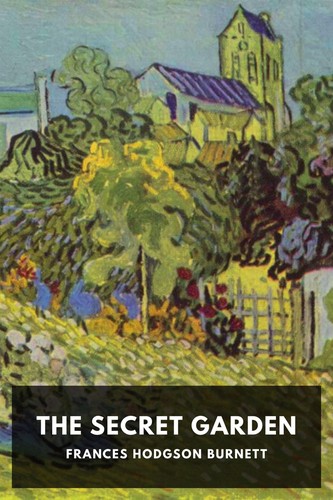
Read this for the same pastoral hush and slow magic, with a gentler ending.
Frances Hodgson Burnett's classic shares Tuck Everlasting's deep faith that the natural world holds something close to sacred. The wood with its hidden spring and the walled, neglected garden play almost the same role: a secret green place where a solitary girl is changed. Mary Lennox, sour and orphaned, slowly comes alive alongside the garden she revives, and Burnett writes growth, weather, and the turning seasons with the same unhurried, sensory care that makes Babbitt's August feel so vivid.
It's a softer book overall. Where Babbitt's magic is uncanny and tied to death, Burnett's is the everyday wonder of things growing, and the ending is warm rather than bittersweet. It's also older, a touch longer, and slower-paced, with Edwardian Yorkshire dialect that some readers love and some need a moment to settle into. Ideal for ages 9 to 12 who loved the atmosphere of Tuck Everlasting more than its sorrow, and a good read-aloud.
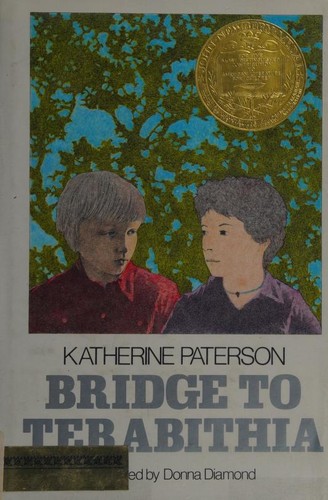
Read this if the honest, bittersweet handling of death was what stayed with you.
Katherine Paterson's Newbery Medal winner is the truest emotional companion to Tuck Everlasting on this list. Both are short, lyrical middle-grade novels that take a young reader straight to the edge of mortality and trust them to look. Jess and Leslie build an imaginary kingdom in the woods, and their friendship carries the same rural, slightly out-of-time quality as Winnie's summer with the Tucks. Paterson, like Babbitt, writes loss plainly and beautifully, never softening it into a lesson, and the result has the same quiet ache.
The difference is where the weight falls. Tuck Everlasting frames death as a philosophical choice; Bridge to Terabithia confronts it as a sudden, real grief, and its midpoint turn hits hard. There's no magic beyond the children's invented one. Best for readers around 9 to 12 who are ready to feel something deeply, and it pairs especially well as a follow-up for a child who found the Tucks' gravestone scene the most powerful part of Babbitt's book.
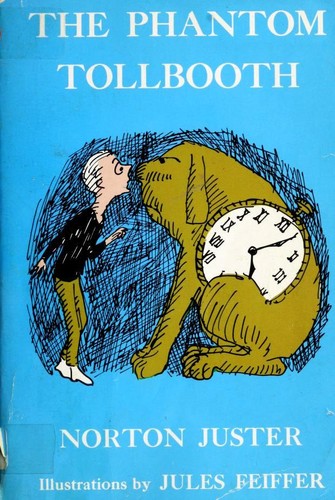
Read this if you want a thoughtful, idea-rich quest with a lighter touch.
Norton Juster's adventure shares Tuck Everlasting's belief that a children's book can carry real ideas. Milo's drive through the magical tollbooth into the Lands Beyond is a journey about boredom, meaning, and learning to actually see the world, the same waking-up that Winnie experiences over her week with the Tucks. Both books use a single fantastical device to make a young reader think about how they want to spend their life, and both have a timeless quality that rewards rereading at any age.
The mood is the big divergence. Juster is playful and packed with puns, wordplay, and brainy jokes, where Babbitt is lyrical and contemplative. There's no sorrow here and no real danger, just wit and wonder. It suits the same 9 to 12 readers, and it's a smart palate-cleanser for a child who appreciated the thoughtfulness of Tuck Everlasting but wants something buoyant rather than bittersweet next.
Read this if you want magic with real stakes and a brave, ordinary heroine.
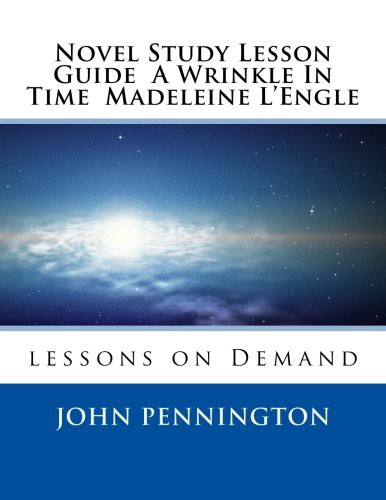
Madeleine L'Engle's classic, like Tuck Everlasting, drops a fantastical premise into the life of a determined young girl and lets the wonder carry weight. Meg Murry's journey across time and space to rescue her father has the same moral seriousness as Winnie's choice: both books care about love, courage, and what it means to be human, and both treat their child protagonists as capable of profound decisions. L'Engle and Babbitt also share a willingness to be a little strange and a little philosophical on the page.
This one is more plot-driven and more overtly science-fantasy, with cosmic travel, a sinister disembodied villain, and a faster engine than Babbitt's quiet pastoral. The ideas run toward conformity and free will rather than mortality. It fits readers 9 to 12, especially those who liked that Tuck Everlasting respected their intelligence and now want a bigger adventure with that same thoughtful core.
Read this if the bond, the rural setting, and the willingness to grieve drew you in.
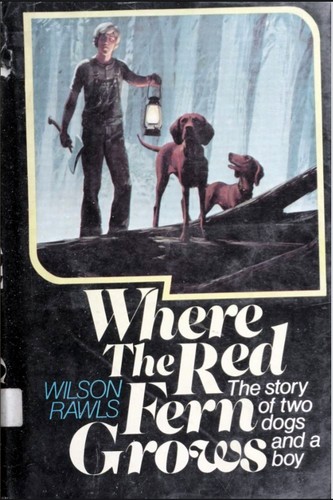
Wilson Rawls's novel sits close to Tuck Everlasting in spirit: a slightly old-fashioned, deeply felt story set in rough rural country, narrated with real tenderness and unafraid of loss. Billy's love for his two hunting dogs builds the same kind of devotion Winnie feels toward the Tucks, and the book moves toward an ending that, like Babbitt's, asks a young reader to face death honestly rather than be shielded from it. The Ozarks landscape carries the same sense of place that makes Babbitt's wood feel real.
It's more rugged and more straightforwardly emotional, a boy-and-his-dogs story rather than a meditation on immortality, and the climax is openly tearful. There's no fantasy at all. Best for ages 9 to 12 who connected with the heart and the heartbreak of Tuck Everlasting more than its magic, with a heads-up for sensitive readers that the loss here is vivid and on the page.
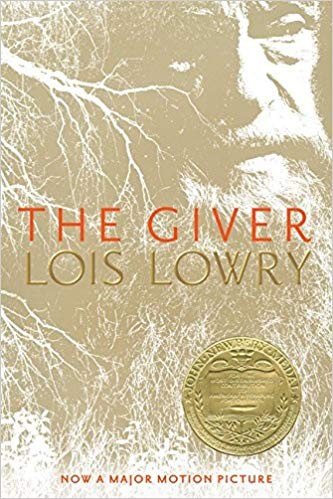
Read this for the same hard questions about life, choice, and what we trade away.
Lois Lowry's Newbery winner is the best match for the philosophical core of Tuck Everlasting. Both books take a premise that sounds like a gift, eternal life in one, a world without pain in the other, and reveal the quiet cost underneath. Jonas, like Winnie, is a young person handed a secret most people never learn, and forced to decide what a meaningful life actually requires. Lowry writes with the same restraint and clarity as Babbitt, letting the weight land without melodrama.
The Giver is colder, more dystopian, and pitched a little older. Its world of enforced sameness reveals its darkness gradually, and the ending is famously open and unsettling rather than bittersweet. Best for the upper end of this range, around ages 11 to 14, and ideal for a reader who finished Tuck Everlasting still turning over the question of whether the Tucks' immortality was a blessing or a curse.
Read this if you wanted more of Where the Red Fern Grows' warm, rural heart.
Wilson Rawls's other novel shares the gentle, country-rooted feeling that makes Tuck Everlasting's setting so memorable. Jay Berry Lee's summer chasing a band of runaway circus monkeys through the Ozark bottomlands has the same unhurried, out-of-time quality as Winnie's August, and the same affection for childhood, family, and a particular patch of land. It's a coming-of-age story in which a boy slowly learns what he truly values, which echoes the quiet growing-up at the center of Babbitt's book.
This is the warmest and most comic pick from Rawls, far lighter than Where the Red Fern Grows and without any of Tuck Everlasting's brush with death. The stakes are small and the tone is fond and funny. It suits readers 9 to 12 who loved the rural atmosphere and gentle pace of Babbitt's book but want a feel-good summer story rather than a meditation on mortality.
Read this for a younger, lighter classic when you want pure delight, not depth.
Roald Dahl's beloved story overlaps with Tuck Everlasting mainly as a fellow cornerstone of the middle-grade shelf: a single fantastical premise (Wonka's impossible factory) that becomes a stage for questions about character and choice. Each of the golden-ticket children is undone by a flaw, and good-hearted Charlie is rewarded, so there is a moral spine here, a lighter cousin to the way Babbitt weighs what kind of life is worth living. It's a natural shelf-mate for the same young readers.
Be honest with yourself about the gap, though. Dahl is broad, gleeful, and a little wicked, with none of Babbitt's lyrical hush or emotional weight, and it reads younger, roughly ages 7 to 10. There's no real sorrow and no contemplation of mortality. Reach for this when a reader of Tuck Everlasting simply wants something joyful and imaginative next, rather than another book that asks them to think hard about death.
It's middle grade, written for independent readers roughly ages 9 to 12, and it works as a family read-aloud from about age 8. Most picks here sit in that range. The Giver skews a year or two older for its heavier themes, and Charlie and the Chocolate Factory reads younger, closer to ages 7 to 10.
Does Tuck Everlasting have a sad ending?
It has a bittersweet, deliberately quiet ending rather than a tragic one. Winnie chooses the natural cycle of life over immortality, and the Tucks later find her gravestone. It is moving without being devastating. For readers drawn to that specific note, Bridge to Terabithia and Where the Red Fern Grows go further into grief, while The Secret Garden lands gentler.
Which book on this list is closest to Tuck Everlasting?
Bridge to Terabithia is the closest emotional match: a short, lyrical middle-grade novel that treats death and loss honestly for young readers. If you want the same period-pastoral atmosphere and a gentler ending, choose The Secret Garden. For a more philosophical look at mortality and choice, read The Giver.
Are these all fantasy or magical books like Tuck Everlasting?
No, and that's intentional. Tuck Everlasting uses one quiet touch of magic (the spring) to raise very real questions. Several picks here, including Bridge to Terabithia, Where the Red Fern Grows, and Summer of the Monkeys, are fully realistic. The fantasy and magic appear in A Wrinkle in Time, The Phantom Tollbooth, The Giver, and Charlie and the Chocolate Factory.
As an Amazon Associate, we earn from qualifying purchases. · About & methodology