Heidegger's work complements Schopenhauer's metaphysical inquiry by delving into the concept of 'Being' and our existence, reflecting on essential questions that matter to readers of 'The World as Will and Representation'.
Hegel's exploration of consciousness and reality offers a profound look at concepts of self and the world, resonating with Schopenhauer's philosophical themes.
De Beauvoir's analysis of freedom and responsibility can be seen as a continuation of the existential questions raised by Schopenhauer, particularly regarding will and desire.
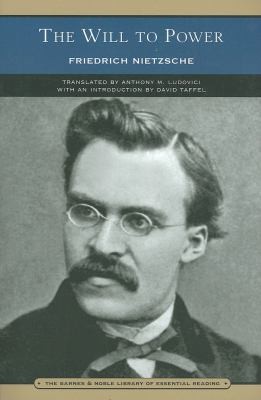
Nietzsche engages with themes of will and representation, challenging and expanding upon Schopenhauer's thoughts in a uniquely poetic and profound manner.
This book offers insights into Schopenhauer's ideas, enhancing the understanding of 'The World as Will and Representation' and its implications in various fields.
Kant's exploration of perception and reality provides a foundational backdrop to Schopenhauer's thoughts on representation, making it a vital read for enthusiasts of his work.
Nietzsche's conception of the 'will' directly dialogues with Schopenhauer’s ideas, providing an essential counterpoint and expansion of the concept of will and representation.
Are these books actually like The World as Will and Representation?
Yes. Each recommendation is chosen because it shares meaningful qualities with The World as Will and Representation, such as themes, pacing, tone, character dynamics, subject matter, or reader appeal.
How were these books like The World as Will and Representation selected?
We combine book metadata, genre signals, reader-intent patterns, and AI matching to surface books that feel relevant rather than simply sharing a broad category.
What should I read after The World as Will and Representation?
Start with Being and Time by Martin Heidegger, then compare the rest of the list based on the specific reasons included with each book.
As an Amazon Associate, we earn from qualifying purchases. · About & methodology