9 books like The Perks of Being a Wallflower, from Speak to The Catcher in the Rye, sorted by outsider coming-of-age, confessional voice, and trauma-and-healing.
Updated June 10, 2026
The Perks of Being a Wallflower works because of how it's told. Charlie writes letters to an anonymous 'friend,' so we get the whole story in his guarded, painfully sincere voice, the voice of a kid watching life from the edge of the room. Add the mixtapes, the Rocky Horror nights, the Tunnel song, and the slow, devastating reveal of what happened to Charlie as a child, and you get a book people don't just read, they keep. Readers tend to want one of three specific things next.
So this list is sorted by what you loved most. If it was Charlie himself, the sensitive outsider finding his people, start with the outsider coming-of-age picks (The Catcher in the Rye, Looking for Alaska, Eleanor & Park). If it was the intimate, confessional format, letters or diaries that read like someone whispering the truth, go to the epistolary and first-person voices (Speak, Thirteen Reasons Why). And if it was the trauma-and-healing core, the way Perks treats survival as the real plot, look to those titles (Speak again, The Fault in Our Stars). Each entry says which thread it carries and where it diverges.
A real content note: Perks deals openly with childhood sexual abuse, suicide, drug use, and mental illness, which is exactly why it lands so hard and why it's so often challenged. Several books here go to similar places. We flag the heavy content in every write-up so you, or the teen you're handing it to, can choose with eyes open.
Read this for the original lonely, unforgettable narrator talking straight to you.
This is Perks' literary grandfather, and the debt is right there on the page: Charlie reads and adores Catcher in the Rye. Holden Caulfield is the blueprint for Charlie, a smart, wounded teenage boy narrating his own breakdown in a voice so intimate it feels like a private confession. Both books drift through a few raw weeks rather than a tidy plot, both circle a grief the narrator can't say out loud, and both end with their boy somewhere between collapse and the first hint of help.
The differences matter. Holden is older, sharper, and far more cynical than gentle, earnest Charlie; where Charlie wants to belong, Holden pushes everyone away. The 1950s setting and slangy prose feel dated to some teen readers, and there are no mixtapes or friend group to warm it up. It's a colder, lonelier book. But if Charlie's voice was the whole appeal, this is the source.
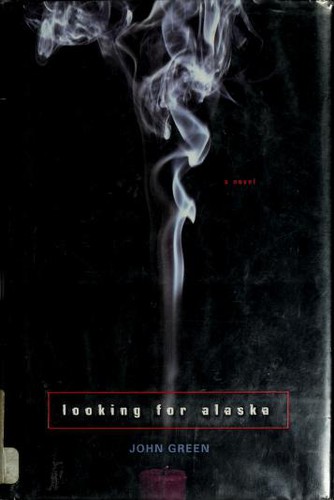
Read this if you loved the misfit friend group and the search for meaning.
John Green's debut is Perks aimed at the boarding-school year: Miles, a lonely outsider obsessed with last words, finally finds his people, including the magnetic, troubled Alaska, and his life cracks open. The chemistry of a tight misfit crew, the late-night talks, the first cigarettes and first love, the sense that these friends are saving him, maps almost exactly onto Charlie's Sam-and-Patrick world. Green even shares Chbosky's faith that the right friends arrive right when a kid needs them most.
Tonally it's wittier and more quotable than Perks, and structured as a countdown to a single shattering event that splits the book in two. Be warned: it deals frankly with grief, drinking, smoking, and a sexual scene, and the back half is about surviving loss. Best for readers 14 and up who wanted Perks' friendship and its gut-punch in roughly equal measure.
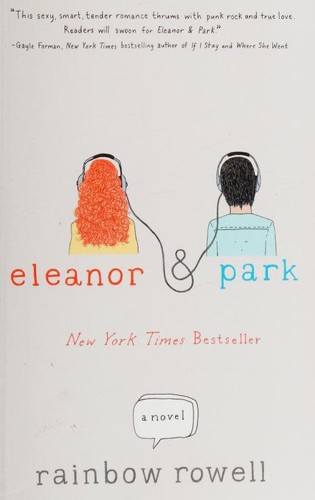
Read this for the tender first love and the mixtape-era ache.
If the music, the bus rides, and Charlie's aching tenderness were your favorite parts, this is the pick. Rainbow Rowell's two misfits fall in love over comics and shared headphones in 1986, and the period detail, mixtapes, Walkmans, the specific magic of a song that becomes yours, lives in the same world as Perks' Tunnel song and homemade tapes. Both books make you feel how enormous a small connection is when you're a teenager who has felt invisible.
It's a romance first, told in alternating voices rather than letters, and its tension comes from the relationship rather than a buried trauma. That said, it isn't soft: Eleanor's home life involves poverty and an abusive stepfather, handled honestly. It's a gentler, more hopeful read than Perks overall, ideal for ages 13 and up who wanted more of the love story and the era and less of the darkness.
Read this if you wanted more of the big-feelings love story and grief.
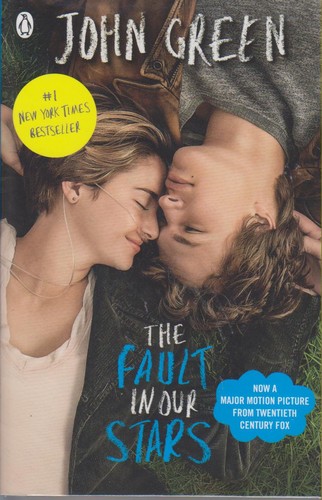
John Green's blockbuster shares Perks' emotional register: smart, sensitive teenagers feeling everything at maximum volume, falling in love while shadowed by mortality. Hazel and Gus meet in a cancer support group, and like Charlie, they use books, jokes, and each other to stay afloat against something too big to control. If you finished Perks wanting that same ache of young people loving hard while life threatens to take it away, this delivers it directly.
The shape is different: this is a true romance built around terminal illness, not a quiet coming-of-age about belonging. It's funnier and more polished than Perks, with dialogue too clever to be fully realistic, which readers either adore or resist. The heavy content here is illness, death, and grief rather than abuse. Bring tissues, and expect a cry that's more cathartic than the slow dread of Perks.
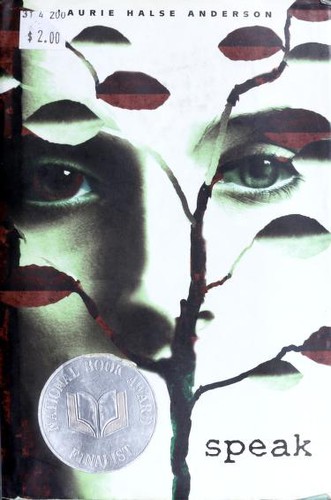
Read this if the trauma-and-healing core of Perks hit hardest.
This is the closest emotional match on the list. Laurie Halse Anderson's Melinda is a freshman outcast who has stopped speaking after being raped at a summer party, and the novel is her wry, fractured interior voice slowly working its way back to the truth, the exact arc of Charlie processing his own abuse. Both books treat the act of finally naming what happened as the real climax, and both render the isolation of a traumatized teen with painful precision. If Perks mattered to you for how it handled survival, read this next.
It's shorter and more contained than Perks, set over one school year with no warm friend group to soften it; Melinda is largely alone, which makes it more claustrophobic. Crucial content note: Speak centers on sexual assault and its aftermath, and it's frank though never graphic. For many survivors it's the more healing of the two. Best for readers 13 and up, and a powerful one to read with a trusted adult nearby.
Read this for another confessional format built around a teen tragedy.
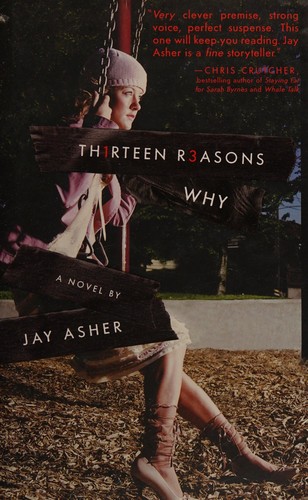
Like Perks, this book hands you its story through an intimate recorded confession: Hannah Baker's cassette tapes, mailed out after her suicide, explaining the thirteen reasons. The format echoes Charlie's letters, a teenager speaking directly to one listener about pain no one saw, and the alternating present-day narration of Clay listening gives it the same up-close ache. It shares Perks' insistence that small cruelties and overlooked kids carry enormous weight.
Be careful with this one. It is built entirely around teen suicide, and it depicts the death; the surrounding controversy over whether it romanticizes self-harm is worth knowing before you hand it to a teen. It's also more of a mystery-structured page-turner than a literary coming-of-age, with thinner characters than Chbosky's. Read it for the confessional device and the subject, with support in place, not as a gentle comfort read.
Read this if you want the kindness and outsider heart without the heavy content.
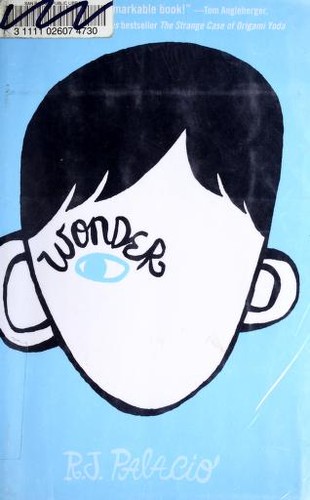
Wonder carries forward Perks' most hopeful idea: that an outsider can find acceptance, and that small daily kindness changes everything. Auggie, born with a facial difference, starts mainstream school for the first time, and the story of a kid who has felt unseen finally being seen rhymes with Charlie's journey from the edge of the room into a real friend group. R.J. Palacio even shares Chbosky's belief in choosing kindness as something close to a moral center.
This is the gentlest pick here and the youngest, written for middle-grade readers (roughly ages 8 to 12) rather than teens. There's no abuse, drugs, or suicide, just bullying and the ordinary cruelty of school, so it's the safe handoff if Perks' content is too much for a younger reader who still wants that outsider-finds-belonging warmth. Adults who loved Perks' heart often find it disarming too.
Read this for a brainy, funny outsider on a coming-of-age road trip.
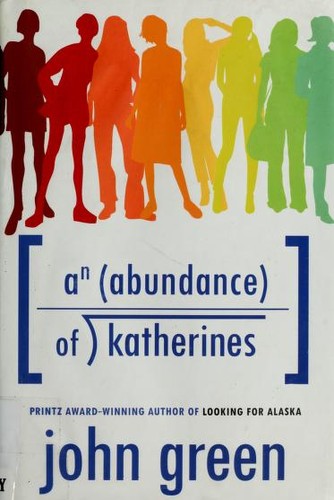
John Green's quirkiest novel gives you another over-thinking misfit: Colin, a washed-up child prodigy dumped by nineteen girls named Katherine, who hits the road to figure out who he is. Like Charlie, he's a bookish kid more comfortable in his own head than in a crowd, and the novel shares Perks' interest in smart, lonely teenagers trying to matter and find their place. The road trip and the new, accepting friends give it a coming-of-age shape Perks fans will recognize.
It's the lightest and most comedic book on this list, heavy on footnotes, math jokes, and banter rather than emotional weight. There's no trauma here and very little darkness; the stakes are mostly internal and romantic. If you loved Charlie's sensitivity and search for meaning but want a palate cleanser, something warm and funny rather than wrenching, this is the one. Suitable for ages 13 and up.
Read this if the friendships meant more to you than the darkness.
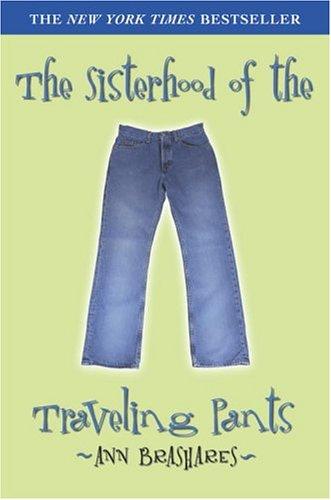
If what you held onto from Perks was the sustaining power of a chosen friend group, this delivers four of them. Ann Brashares follows four lifelong friends through their first summer apart, linked by one pair of magic-fitting jeans, and like Sam and Patrick to Charlie, these girls are each other's lifeline through messy, formative months. It's a warm, character-driven coming-of-age about the friendships that carry you when family or first love can't.
Set expectations honestly: this is a sunnier, lower-intensity book than Perks, with no abuse, no suicide, and a gentle PG-13 feel, though it does touch real subjects like grief, divorce, and a first sexual relationship across its four storylines. It's also girl-centered where Perks is told by a boy. Reach for it when you want the found-family comfort of Perks without the ache that follows you for days. Best for ages 12 and up.
What book is most like The Perks of Being a Wallflower?
For the confessional, letter-writing voice, Speak by Laurie Halse Anderson is the closest emotional match: a teenage outsider processing trauma in a raw first-person voice. For the alienated-narrator feel, The Catcher in the Rye is the clear ancestor that Chbosky himself echoes. Charlie even reads Catcher in Perks.
Did Stephen Chbosky write other books like Perks?
Chbosky published one other novel, Imaginary Friend (2019), but it's a long supernatural horror story, not a coming-of-age book, so it won't scratch the same itch. The Perks of Being a Wallflower remains his only book in this vein, which is part of why readers go looking for read-alikes in the first place.
Are these books appropriate for teenagers?
Most are written for young adults (roughly ages 13 and up), like Perks. But several handle heavy material: Speak and Thirteen Reasons Why deal with sexual assault and suicide, and Looking for Alaska includes death and drinking. Wonder and The Sisterhood of the Traveling Pants are the gentlest picks. Each entry below flags the heavy content.
Which book should I read first?
Read Speak if the trauma-and-healing thread of Perks hit hardest, Eleanor & Park if you wanted more of Charlie's tender first love and mixtape-era ache, or The Catcher in the Rye if you simply want another lonely, unforgettable narrator talking straight to you. Each carries a different piece of Perks forward.
As an Amazon Associate, we earn from qualifying purchases. · About & methodology