6 books like The Morisaki Bookshop, from The Little Paris Bookshop to 84, Charing Cross Road: bookshop novels and bibliophile comfort reads.
Updated June 10, 2026
Satoshi Yagisawa's The Morisaki Bookshop (Days at the Morisaki Bookshop in English) belongs to a wave of gentle Japanese fiction the genre calls iyashikei, or healing stories. Takako, gutted by a breakup, moves into the cramped second floor of her uncle Satoru's secondhand bookshop in Jimbocho, Tokyo's legendary book district, and slowly stitches herself back together among the dusty stacks. Almost nothing dramatic happens, and that is the point: the comfort comes from the slow pace, the quiet kindness, and the deep love of books about books.
Readers who finish it usually want one of three things, so this list is organized around them. Some want more bookshop and library novels, where a shop full of books becomes a place of refuge and small transformations: that is the lane most of the picks below fall into. Some want more quiet character studies about a lonely person finding their footing. And some want more Japanese healing fiction specifically, with that distinctive low-conflict calm. We have been honest in each write-up about which of those needs a book actually serves.
One practical note before you browse: there is a direct sequel, More Days at the Morisaki Bookshop (English, 2024), which is the truest next read of all. If you have not finished the Morisaki story itself, start there. The books below are for when you want the same feeling somewhere new.
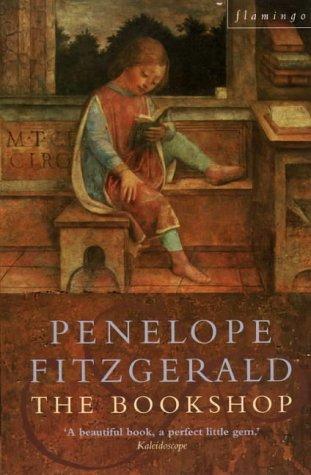
Read this for the quiet character study, but brace for a colder ending.
Penelope Fitzgerald's slim, precise novel shares Morisaki's central image: one person, one secondhand bookshop, one small town. Florence Green opens a bookshop in a sleepy English coastal village in 1959, and Fitzgerald renders the daily texture of selling books, the regulars, the stock, the smell of the place, with the same loving specificity Yagisawa brings to Jimbocho. As a quiet study of a solitary woman defined by her shop, it is a strong match.
Here is the honest caveat: this is not a healing book. Fitzgerald is dry, ironic, and unsentimental, and the town turns on Florence rather than embracing her the way Satoru's neighborhood embraces Takako. The ending is quietly devastating rather than restorative. Read it for the bookshop atmosphere and Fitzgerald's exquisite economy, not for comfort. If iyashikei warmth is what you need, this will leave you cold.
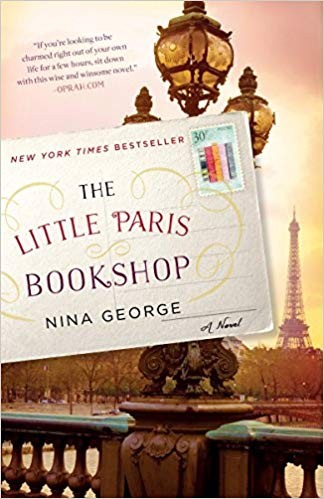
Read this if the bookshop-as-sanctuary feeling mattered more than the Tokyo setting.
Of everything here, Nina George's novel is the closest emotional cousin to Morisaki. Monsieur Perdu runs a floating bookshop on a barge he calls the Literary Apothecary, prescribing novels to heal his customers' wounds while quietly nursing a heartbreak of his own from twenty years earlier. The premise that the right book at the right moment can mend a person is the exact engine that drives Takako's recovery in Jimbocho, and the gentle, redemptive arc lands in the same comforting key.
The differences are real. George's book is more plotted and more romantic, sending Perdu on a journey down the rivers of France toward a confrontation with his past, where Morisaki mostly stays put and stays small. It is also warmer and more sentimental, occasionally to the point of sweetness. If you want bibliophile comfort with a bit more story and travel, this fits. If you want Morisaki's near-plotless calm, this will feel busier.
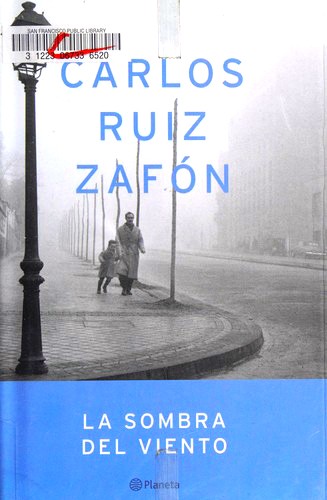
Read this if you want books at the center but crave actual plot and mystery.
Carlos Ruiz Zafon's novel shares Morisaki's reverence for books as living, almost sacred objects. A boy in post-war Barcelona is led to the Cemetery of Forgotten Books, chooses one volume, and spends the novel chasing the fate of its vanished author. That worship of secondhand books and the hidden histories inside them will resonate with anyone who loved the stacks of the Morisaki shop and the way old volumes carry other people's lives.
Tonally, though, this is a different animal. Zafon writes a gothic, twisting, atmospheric mystery full of intrigue, danger, and melodrama, the opposite of Morisaki's low-stakes calm. It is long, dark, and intricately plotted where Yagisawa is short, bright, and gentle. Pick this when the bibliophilia was your favorite ingredient and you are ready to trade healing-fiction quiet for a propulsive, shadowy page-turner. Do not expect to feel soothed.
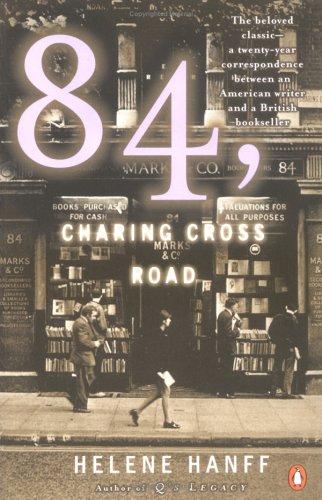
Read this for the pure love of books and a warmth that sneaks up on you.
This one is a small miracle and the best surprise on the list. Helene Hanff's book is the real correspondence between a sharp-tongued New York writer and the staff of a London antiquarian bookshop over twenty years, built entirely from their letters. It captures the very thing at Morisaki's heart: that books, and the people who sell and share them, create unexpected intimacy and quiet belonging. The tenderness builds the same gentle way Takako's bonds do.
It is also nonfiction and very short, a different shape from Yagisawa's novel, with no single protagonist's inner recovery to follow. What it offers instead is the bookshop community and the love-of-books glow, distilled and true. Read it in an hour, then sit with it. If you loved Morisaki for the feeling of book people caring for one another across a counter, this delivers that more purely than any novel here.
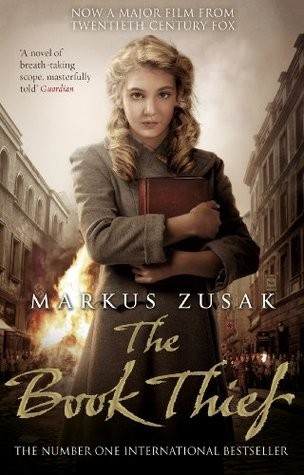
Read this if books-as-solace moved you, but be ready for real weight.
Markus Zusak's novel carries forward one strand of Morisaki with great force: the idea that books can save a person. Liesel, a girl in Nazi Germany, steals books and reads them aloud to neighbors sheltering in a basement, and reading becomes her way of surviving grief and fear. That faith in books as comfort and lifeline is the deep thing it shares with Yagisawa, and the writing around it is luminous.
Everything else is far heavier. Narrated by Death and set against the Holocaust, this is a long, emotionally punishing book that will make you cry, the opposite of Morisaki's easy calm. There is no secondhand shop, no gentle recovery from a breakup, no iyashikei softness. Choose it only if it was the power of books that you loved, and you are prepared to be wrung out rather than soothed. It is a wonderful book, just not a restful one.
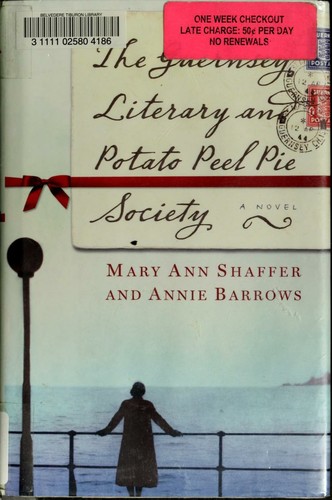
Read this if you loved the bookish community and want charm over melancholy.
This novel shares Morisaki's belief that a love of reading can knit strangers into a found family. Told in letters, it follows a London writer who discovers a book club born on German-occupied Guernsey during the war, formed almost by accident, that became a lifeline for its members. The cozy, character-warmed feeling of book people leaning on one another echoes the gentle community Takako finds around her uncle's shop.
The setting and structure differ: this is a postwar British epistolary novel, lighter and more romantic in places than Morisaki, with the shadow of occupation in its backstory rather than a quiet Tokyo present. It is more eventful and more conventionally heartwarming than Yagisawa's near-plotless calm. Reach for it when you want the warmth and the literary friendships rather than the meditative stillness, and you do not mind a tidy, feel-good resolution.
Yes. Satoshi Yagisawa wrote a direct continuation, More Days at the Morisaki Bookshop, published in English in 2024. It picks up with Takako, her uncle Satoru, and the Jimbocho neighborhood, so if what you want is simply more time in that exact world, read the sequel before anything on this list. The two books together run short, and many readers finish both in a weekend.
Are the other books on this list Japanese healing fiction like The Morisaki Bookshop?
Mostly no, and it's worth being honest about that. The recommended titles here are Western novels about bookshops and the love of books (The Little Paris Bookshop, 84, Charing Cross Road, The Bookshop). They share Morisaki's bibliophile heart but not its iyashikei calm. For true Japanese healing fiction, look instead to Toshikazu Kawaguchi, Michiko Aoyama, or Sosuke Natsukawa, named in the answers below.
Which book on this list is the closest match to The Morisaki Bookshop?
The Little Paris Bookshop is the closest in spirit: a quiet protagonist using books to heal an old heartbreak, with a gentle redemptive arc. If you loved Morisaki's bookshop-as-sanctuary feeling above all, start there. If you loved the real-life warmth and the letters between strangers, 84, Charing Cross Road is the more unexpected, quicker delight.
What is iyashikei, and why is The Morisaki Bookshop called healing fiction?
Iyashikei is a Japanese genre label meaning healing or soothing: low-conflict, slow-paced stories meant to comfort rather than thrill. Morisaki fits squarely, following Takako's recovery from heartbreak through quiet days, secondhand books, and small kindnesses. If that mood is what you are chasing, the Japanese authors mentioned in these answers will serve you better than the Western bookshop novels listed here.
As an Amazon Associate, we earn from qualifying purchases. · About & methodology