Books Like The End of Poverty: Economic Possibilities for Our Time
Loved The End of Poverty: Economic Possibilities for Our Time? Get 7 AI-matched books like it, with quick explanations for why each recommendation fits.
Books to Read If You Like The End of Poverty: Economic Possibilities for Our Time
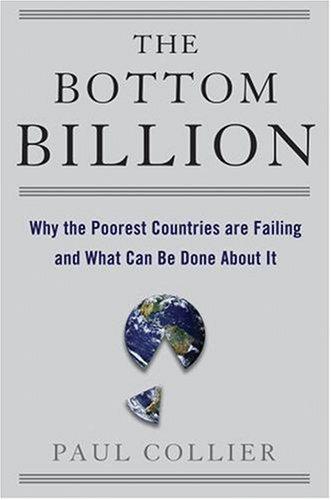
The Bottom Billion: Why the Poorest Countries Are Failing and What Can Be Done About It
by Paul Collier
Collier's book complements 'The End of Poverty' by addressing the challenges of the poorest nations and potential pathways for improvement, focusing on concrete policies and global strategies.
Sen’s insights into the role of freedom in economic development resonate with Sachs' approaches to poverty alleviation, offering a philosophical background to economic policies.
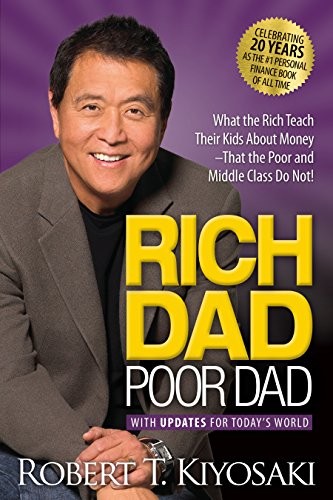
Rich Dad Poor Dad: What the Rich Teach Their Kids About Money That the Poor and the Middle Class Do Not!
by Robert T. Kiyosaki
While focusing more on personal finance, Kiyosaki's ideas about wealth creation can parallel the broader themes of economic empowerment found in 'The End of Poverty.'
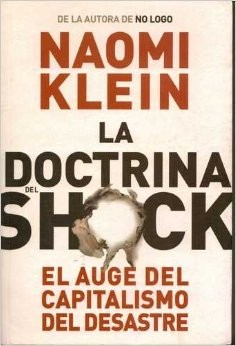
The Shock Doctrine: The Rise of Disaster Capitalism
by Naomi Klein
Klein’s critical analysis of capitalism provides a contrast to Sachs' more optimistic views on economic development, fostering a deeper understanding of economic systems.
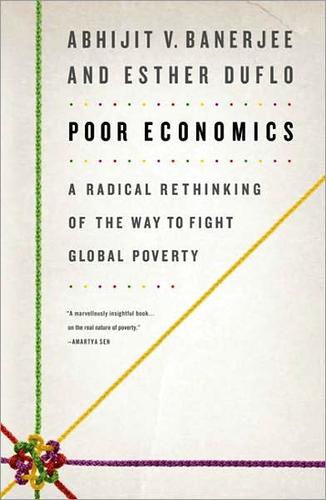
Poor Economics: A Radical Rethinking of the Way to Fight Global Poverty
by Abhijit V. Banerjee and Esther Duflo
This book builds on similar themes of poverty alleviation through innovative economic strategies, aligning well with the concepts presented in Sachs' work.
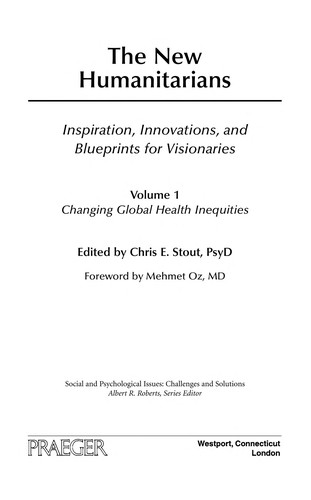
The New Humanitarians: A Guide to the Human Right to Development in the 21st Century
by Chris E. Stout
Cirey’s exploration enriches the dialogue on development and poverty, emphasizing a rights-based approach, making it a fitting companion to Sachs' arguments.
Piketty’s focus on economic inequality provides valuable context and complements the discussions of poverty in Sachs’ work, emphasizing systemic issues.
Are these books actually like The End of Poverty: Economic Possibilities for Our Time?
Yes. Each recommendation is chosen because it shares meaningful qualities with The End of Poverty: Economic Possibilities for Our Time, such as themes, pacing, tone, character dynamics, subject matter, or reader appeal.
How were these books like The End of Poverty: Economic Possibilities for Our Time selected?
We combine book metadata, genre signals, reader-intent patterns, and AI matching to surface books that feel relevant rather than simply sharing a broad category.
What should I read after The End of Poverty: Economic Possibilities for Our Time?
Start with The Bottom Billion: Why the Poorest Countries Are Failing and What Can Be Done About It by Paul Collier, then compare the rest of the list based on the specific reasons included with each book.
As an Amazon Associate, we earn from qualifying purchases. · About & methodology