5 books like The Body Keeps the Score: Pete Walker's Complex PTSD for self-help, Judith Herman's classic for depth, Peter Levine for body-based healing.
Updated June 10, 2026
Bessel van der Kolk's The Body Keeps the Score became the defining trauma book of its era for a reason: it connects the science (what trauma does to the brain and nervous system) with lived clinical stories and a survey of treatments that go beyond talk therapy, from EMDR and neurofeedback to yoga and theater. But readers finish it wanting very different things. Some want the practical book van der Kolk doesn't quite provide: what do I actually do? Some want the foundational scholarship his book builds on. And some want the body-based healing approaches he surveys, from the people who invented them.
This list is organized around that. Each recommendation below tells you which itch it scratches and how it differs from van der Kolk, because 'more books about trauma' is less useful than 'the right next book for where you are.' One honest note: The Body Keeps the Score is a survey written by a researcher; most worthy follow-ups are narrower and deeper than it, not broader.
A gentle flag, since it matters for this topic: these books discuss abuse, neglect, and violence with varying directness. Herman's is the most clinically unflinching; Walker's is the most personally gentle. None require a professional background to read.
Books to Read If You Like The Body Keeps the Score
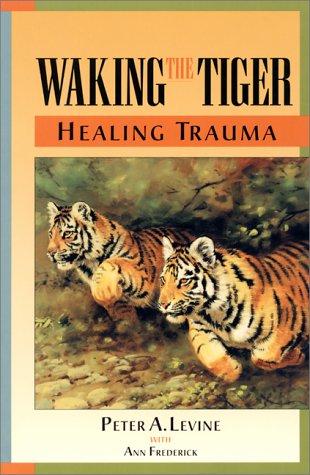
Waking the Tiger: Healing Trauma
by Peter A. Levine
Read this if 'the body keeps the score' was the part that hit hardest.
Peter Levine is one of the originators of the body-first view of trauma that van der Kolk popularized, and Waking the Tiger is his founding text. Its core image: prey animals in the wild are routinely terrified yet rarely traumatized, because they physically discharge the survival energy afterward, something humans, with our clever inhibiting brains, fail to do. Trauma, in Levine's account, is that undischarged energy stuck in the nervous system, and healing means completing the interrupted response. This became Somatic Experiencing, one of the methods van der Kolk surveys approvingly.
It's more theoretical than practical (Levine wrote follow-ups for the exercises; see below) and some of its claims outrun the research. Read it for the paradigm. It will permanently change how you interpret your own startle responses, tension, and shutdown.
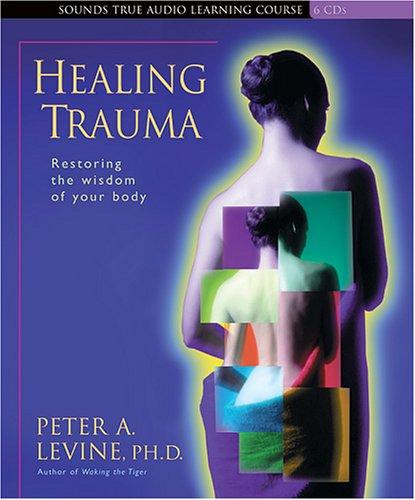
Healing Trauma: A Pioneering Program for Restoring the Wisdom of Your Body
by Peter A. Levine
Read this for Levine's actual exercises, the workbook to Waking the Tiger's theory.
If Waking the Tiger convinces you, this slim program is where Levine gets practical: a guided sequence of somatic exercises (tracking bodily sensations, grounding, pendulating between comfort and the edges of discomfort) designed to be done at home, slowly, over weeks. It's the closest thing on this list to actually doing the body-based work van der Kolk describes other people doing.
Keep expectations calibrated: it's short, it's gentle, and it's a complement to (not a replacement for) working with a trauma therapist, which Levine himself stresses. Pairs naturally with the yoga and breathwork chapters of The Body Keeps the Score.
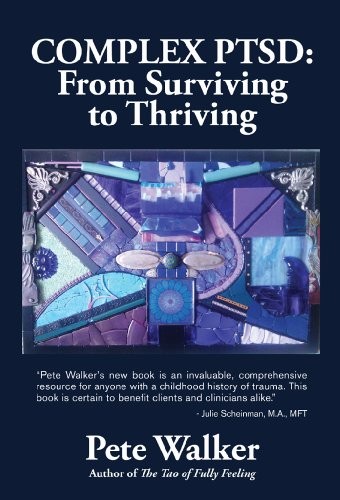
Read this if van der Kolk explained your past and you now want a manual for your present.
Pete Walker's book is the most common reader answer to 'what should I read after The Body Keeps the Score,' and the reason is voice. Walker is a therapist who is himself a survivor of childhood abuse, and he writes like one: no case-study distance, just direct, specific guidance. His map of the four trauma responses (fight, flight, freeze, and his coinage, fawn), his 13-step protocol for managing emotional flashbacks, and his chapters on shrinking the inner critic give you the hands-on toolkit van der Kolk's survey only gestures at.
The trade-off is scope and rigor: this is a self-help book about complex PTSD from prolonged childhood trauma specifically, not a tour of the research. If your interest in van der Kolk was intellectual, start with Herman instead. If it was personal, start here.
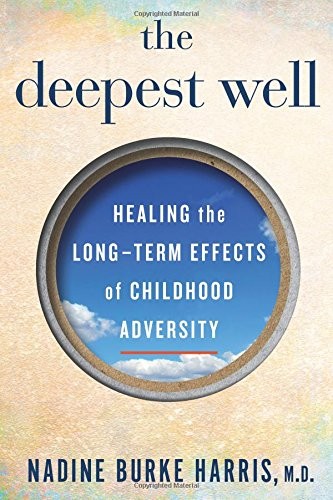
The Deepest Well: Healing the Long-Term Effects of Childhood Adversity
by Nadine Burke Harris
Read this for the public-health view: what childhood adversity does at population scale.
Nadine Burke Harris, a pediatrician who became California's first Surgeon General, picks up the thread of van der Kolk's chapters on developmental trauma and follows it into bodies and biographies: how adverse childhood experiences (ACEs) raise lifetime risk for heart disease, autoimmune illness, and early death, and what screening and treating for them could look like. If the ACE study was the part of The Body Keeps the Score you kept telling people about, this is that study expanded into a full, humane book.
It's the least how-to book here; Burke Harris is making a civic argument as much as a personal one. Read it to understand trauma as a public-health story. Read Walker or Levine to work on your own.
Trauma and Recovery: The Aftermath of Violence - From Domestic Abuse to Political Terror
by Judith Lewis Herman
Read this for the book The Body Keeps the Score is built on.
Published in 1992, Judith Herman's Trauma and Recovery created the intellectual scaffolding van der Kolk works within, including the very concept of complex PTSD, which Herman proposed. Her three-stage model of healing (safety, remembrance and mourning, reconnection) still underlies most trauma therapy, and her central argument was revolutionary and reads as such: that the psychology of abused women, combat veterans, and political prisoners is one subject, not three.
It's a more demanding book than van der Kolk's: denser, more political (Herman insists trauma is a social and justice issue, not just a clinical one), and without his consumer-friendly treatment tour. But readers who wanted more depth and less anecdote from The Body Keeps the Score consistently call this the better book.
What should I read after The Body Keeps the Score?
It depends on what you want next. For practical self-help, start with Pete Walker's Complex PTSD: From Surviving to Thriving. For the foundational scholarship, read Judith Herman's Trauma and Recovery. For the body-based healing approaches van der Kolk surveys, go to Peter Levine's Waking the Tiger.
Which of these books is most practical?
Walker's Complex PTSD is the most directly usable, with a step-by-step protocol for emotional flashbacks and tools for the inner critic. Levine's Healing Trauma is the most hands-on for body-based work, built around guided somatic exercises you do at home.
Are these books a substitute for therapy?
No. All of these authors, van der Kolk included, are explicit that books are companions to healing, not replacements for working with a qualified trauma therapist. They are best used to understand what you're experiencing and to make therapy more effective.
Do I need to read The Body Keeps the Score first?
No. Each book here stands alone. If you haven't read van der Kolk yet, Herman's Trauma and Recovery is arguably the better starting point for understanding trauma, and Walker's book is the better start if you are looking for help with your own recovery.
As an Amazon Associate, we earn from qualifying purchases. · About & methodology