Find books like The 4-Hour Workweek about productivity, lifestyle design, entrepreneurship, and building a freer way to work.
Updated June 10, 2026
Tim Ferriss's The 4-Hour Workweek, first published in 2007, is less a productivity book than a provocation. Its core move is the DEAL framework (Definition, Elimination, Automation, Liberation): redefine what rich means, ruthlessly cut low-value work using the 80/20 principle, build income streams and outsource what remains, then escape the office entirely for mini-retirements taken throughout life rather than deferred to 65. Some of the tactics have aged badly (virtual assistants in India, Google AdWords arbitrage, selling info products), but the underlying questions about why we work the way we do are why people still read it.
Nobody has really written the same book since, so this list is organized around the three things Ferriss readers tend to want next. If you want the focus and elimination half sharpened into a discipline, go to Deep Work, Essentialism, and The One Thing. If the muse-building and escape-the-job half is what hooked you, The Lean Startup is the serious version of starting something small and testable. And if you want the execution systems Ferriss skips past, Getting Things Done, Atomic Habits, The 7 Habits of Highly Effective People, and Drive cover workflow, habits, character, and motivation.
A practical note: these are all idea-dense nonfiction books that repeat their core argument more than they need to. Read the first third of each carefully and skim the case studies, exactly the kind of selective reading Ferriss himself would endorse. Each entry below says which part of The 4-Hour Workweek it extends and where it pushes back.
Our Top Picks
Best overall next read
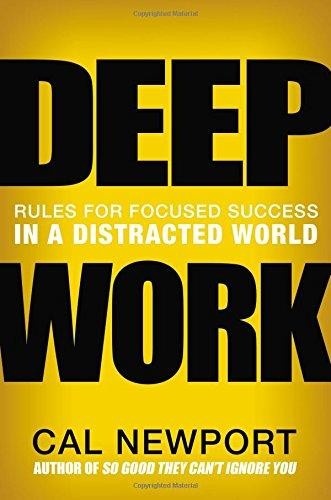
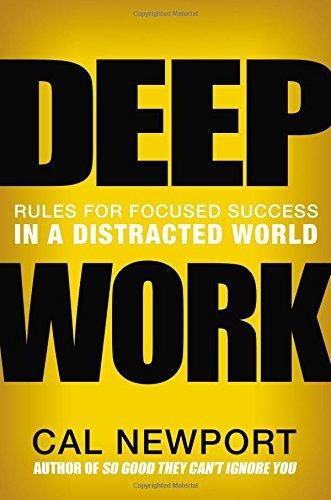
Deep Work: Rules for Focused Success in a Distracted World
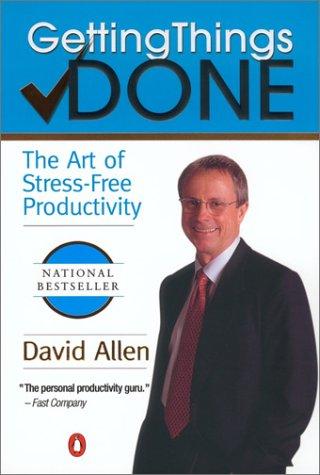
Getting Things Done: The Art of Stress-Free Productivity
by David Allen
Read this for the workflow system Ferriss assumes you already have.
David Allen's classic, first published in 2001, is the granddaddy of modern productivity and the practical complement to Ferriss's big-picture strategy. Its core insight, that your head is for having ideas, not holding them, leads to a complete trusted system: capture everything, clarify next actions, organize by context, and review weekly. The 4-Hour Workweek tells you which work to delete; GTD tells you how to process whatever survives so it stops occupying your mind.
The philosophical gap is real and worth noticing. Allen is agnostic about your goals and happy to make you a calmer, more efficient employee; there is no critique of the job itself, no escape plan, and the full system can feel heavy, with its folders, lists, and tickler files, compared to Ferriss's slash-and-burn minimalism. Take the capture habit and the two-minute rule even if you never run the whole machine.
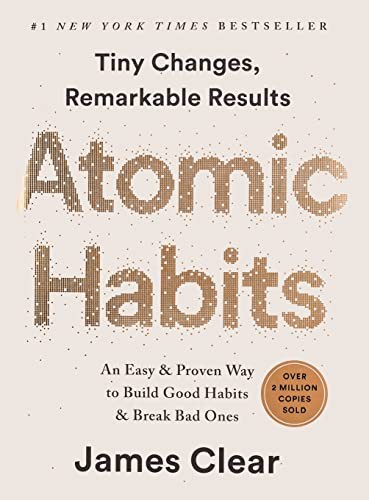
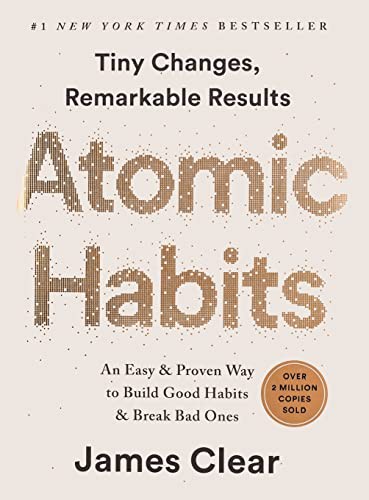
Atomic Habits: An Easy & Proven Way to Build Good Habits & Break Bad Ones
by James Clear
Read this for the behavior change that makes any lifestyle design stick.
James Clear's 2018 mega-bestseller answers the question The 4-Hour Workweek leaves open: how do you actually become the person who checks email twice a day and works in focused bursts? Clear's framework of small 1 percent improvements, identity-based habits, and the four laws of behavior change (make it obvious, attractive, easy, satisfying) is the implementation layer under every productivity promise, Ferriss's included. The writing is clean, the examples concrete, and it is probably the most broadly useful book on this list.
It is also the least Ferriss-like in temperament. Clear preaches patient compounding where Ferriss preaches dramatic leverage and shortcuts; there is no business advice, no outsourcing, and nothing contrarian about work itself. If The 4-Hour Workweek excited you but your follow-through died in week two, read this next. If what you loved was the rule-breaking swagger, this will feel sensible rather than thrilling.
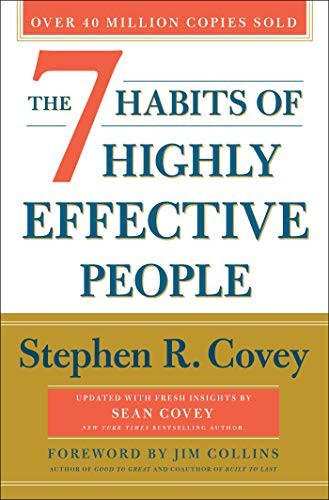
The 7 Habits of Highly Effective People: Powerful Lessons in Personal Change
by Stephen R. Covey
Read this for the principled foundation the lifestyle hacks are missing.
Stephen Covey's 1989 classic is the book Ferriss's genre grew out of, and several 4-Hour Workweek ideas have roots here, especially begin with the end in mind, which is Ferriss's dreamlining exercise in older language, and put first things first, his 80/20 prioritization. Covey's distinction between production and production capability also anticipates the automation argument: build systems, not just effort. It remains the most complete framework for deciding what effectiveness is even for.
The contrast in character is stark. Covey is earnest, principle-centered, and skeptical of exactly the quick-win personality tricks that lifestyle-design books traffic in; his habits take years, not a 30-day challenge. The prose is dated and the diagrams are very 1989. Read it slowly as ballast: if Ferriss is about escaping work you hate, Covey is about becoming someone whose work and life do not need escaping.
Deep Work: Rules for Focused Success in a Distracted World
by Cal Newport
Read this if Ferriss's low-information diet was the idea that stuck with you.
Cal Newport's 2016 book takes the elimination chapter of The 4-Hour Workweek and turns it into a complete philosophy of work. Ferriss tells you to check email twice a day and stop consuming news; Newport explains why, arguing that sustained, distraction-free concentration is the scarcest and most valuable skill in a knowledge economy, then gives concrete regimes for protecting it, from scheduling every minute to quitting social media. Both books share the contrarian instinct that most of what passes for work is busyness.
The difference is the goal. Ferriss wants you to minimize work to maximize lifestyle; Newport, a computer science professor, wants you to maximize the quality of work because mastery is the point. There is no escape fantasy here, no mini-retirements, and Newport openly distrusts the personal-brand hustle Ferriss embodies. Read it as the adult counterweight: same diagnosis of distraction, opposite prescription for what your reclaimed hours are for.
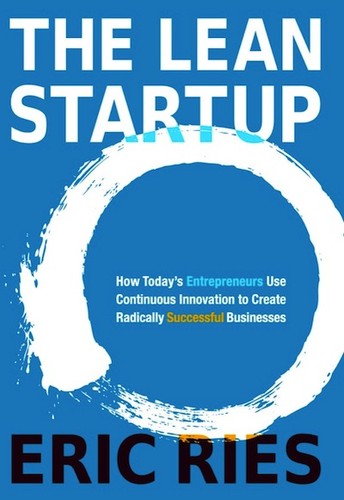
The Lean Startup: How Today's Entrepreneurs Use Continuous Innovation to Create Radically Successful Businesses
by Eric Ries
Read this if building the muse business was the part you actually want to do.
Ferriss's muse chapters tell you to test a product cheaply before building it, with landing pages and small ad buys, and Eric Ries's 2011 book is that idea matured into a rigorous method. Build-measure-learn loops, minimum viable products, validated learning, and pivots are all systematic versions of the scrappy testing The 4-Hour Workweek sketches. If you took Ferriss seriously about creating an income stream rather than just reading about one, this is the standard next text.
Understand the difference in ambition, though. Ries writes for people building real companies, possibly venture-backed ones, where the product is the point, not a cash machine that funds your absence. There is nothing here about lifestyle, travel, or working less; lean startups often consume their founders. Read it for the testing discipline and ignore the Silicon Valley scale if a small, profitable muse is still your goal.
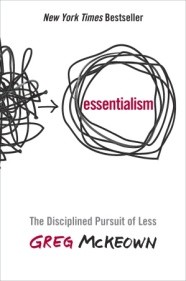
Read this for the 80/20 elimination mindset as a whole way of living.
Greg McKeown's 2014 book is the closest philosophical match on the list. Its mantra, less but better, is Ferriss's Pareto principle dressed in calmer clothes: figure out the vital few things that actually matter, cut everything else without apology, and learn to say no gracefully. Where The 4-Hour Workweek applies elimination to email, meetings, and annoying customers, Essentialism applies it to commitments of every kind, and McKeown's chapters on trade-offs and graceful refusal are genuinely useful scripts.
What it lacks is Ferriss's machinery. There is no automation, no outsourcing, no income-generating muse, and no geoarbitrage; this is a book about choosing priorities, not engineering an exit from employment. It is also gentler in tone, written for overcommitted corporate professionals rather than aspiring escapees. Pick it if the 80/20 chapters were your favorite part and you want them expanded to life in general.
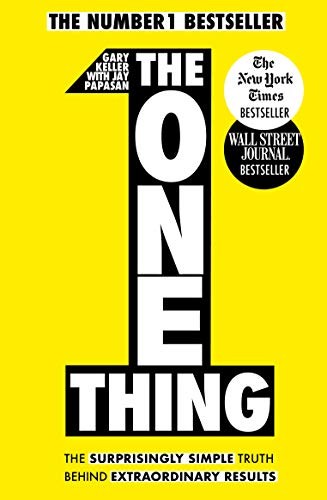
The One Thing: The Surprisingly Simple Truth Behind Extraordinary Results
by Gary Keller and Jay Papasan
Read this for elimination distilled to a single daily question.
Gary Keller and Jay Papasan's 2013 book takes the same Pareto logic Ferriss uses and compresses it further: what is the one thing you can do such that everything else becomes easier or unnecessary? The focusing question, time-blocking your mornings for that one priority, and the chapters debunking multitasking and willpower myths all extend The 4-Hour Workweek's war on busyness, and the book is short and direct enough to act on the same week you read it.
Keller built Keller Williams Realty, and the book's frame is conventional career success, hitting bigger goals inside your field, rather than escaping the field altogether. It also overlaps heavily with Essentialism and Deep Work; you do not need all three. Choose this one if you want the bluntest, most tactical version, choose Essentialism for the philosophy, and choose Deep Work for the strongest argument.
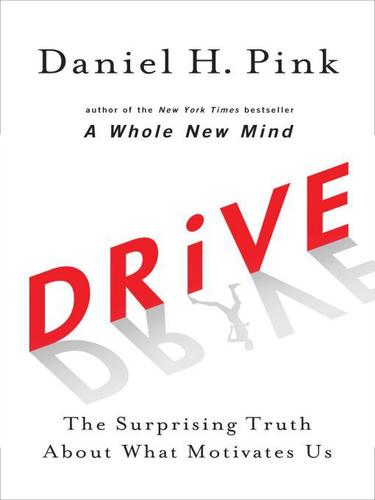
Read this to understand why the 4-hour fantasy appeals to you in the first place.
Daniel Pink's 2009 book supplies the missing why under Ferriss's how. Drawing on decades of motivation research, Pink argues that carrot-and-stick rewards backfire for creative work, and that real motivation runs on autonomy, mastery, and purpose. Autonomy is exactly what The 4-Hour Workweek is selling, control over what you do, when, how, and with whom, so Drive reads like the scientific case for the freedom Ferriss reaches through hacks and negotiation scripts.
This is popular science, not a playbook: you get studies, the distinction between intrinsic and extrinsic motivation, and implications for managers, but few personal tactics. Pink would also note what Ferriss glosses over, that people freed from work often flounder without mastery and purpose, which is precisely the crisis Ferriss admits hits people after they escape. Read it to design what your liberated time is actually for.
No single book replicates its mix of productivity, business, and travel, but Essentialism by Greg McKeown is the closest in mindset, building a whole philosophy from the same do-less-but-better principle. Deep Work is the strongest successor to the elimination ideas, and The Lean Startup is the natural next step if the muse-business chapters were your focus. Outside this list, The $100 Startup by Chris Guillebeau and Vagabonding by Rolf Potts (a direct influence Ferriss cites) are common pairings.
Is The 4-Hour Workweek still worth reading today?
Yes for the questions, no for many of the tactics. The framework of defining what you want, eliminating low-value work, and refusing to defer life remains sharp, and remote work has made parts of it mainstream. But specific advice on AdWords arbitrage, outsourcing to virtual assistants, and info products reflects the 2007 to 2009 internet. The expanded 2009 edition updates some material; read it for the mindset and treat the tactics as historical examples.
What should I read if I want to actually start the business Ferriss describes?
Start with The Lean Startup from this list for the testing methodology, then go beyond the list to The $100 Startup by Chris Guillebeau for small lifestyle businesses, and Company of One by Paul Jarvis for the case against scaling. The Millionaire Fastlane by MJ DeMarco covers similar escape-the-job ground with more emphasis on building real business systems.
Should I read Deep Work or Atomic Habits first?
Pick by your bottleneck. If you know what matters but cannot concentrate long enough to do it, read Deep Work, which argues for and structures long, distraction-free focus. If your problem is follow-through, plans that collapse after a week, read Atomic Habits, which is about making behaviors stick through small, systematic changes. They complement each other well, and neither assumes you have read the other.
As an Amazon Associate, we earn from qualifying purchases. · About & methodology