Books Like The 100-Year-Old Man Who Climbed Out the Window and Disappeared
7 books like The 100-Year-Old Man Who Climbed Out the Window, from A Man Called Ove to The Little Old Lady Who Broke All the Rules: funny, big-hearted reads.
Updated June 11, 2026
Jonas Jonasson's debut became a global phenomenon out of Sweden by doing two things at once. In the present, Allan Karlsson climbs out of his nursing home window on his hundredth birthday, accidentally steals a suitcase of criminal money, and picks up a gang of misfits and an elephant along the way. In flashbacks, the same Allan blunders through the twentieth century, sharing dinner with Truman, vodka with Stalin, and a hand in the atomic bomb, all without ever holding a political opinion. The deadpan tone, somewhere between Forrest Gump and a Scandinavian shaggy-dog joke, is the whole game: enormous events narrated with total unflappability.
That exact combination is rare, so this list splits it into its parts. If you want more mischievous Scandinavian seniors refusing to act their age, The Little Old Lady Who Broke All the Rules is the nearest cousin, and A Man Called Ove gives you the grumpy-old-man version with a much bigger heart. If the accidental road trip was your favorite thread, The Unlikely Pilgrimage of Harold Fry sends another unlikely pensioner across a country. And if you loved the dry comic narration of a socially oblivious hero, The Rosie Project delivers it from a younger protagonist. Two wilder cards, The Graveyard Book and Our Endless Numbered Days, are included for readers chasing the storytelling rather than the laughs.
A practical note: none of these are sequels in spirit to Allan's geopolitical farce; Jonasson's own follow-up, The Accidental Further Adventures of the Hundred-Year-Old Man, is where to go for that. The entries below say plainly how close each book actually sits to the original, so read the hooks before you commit.
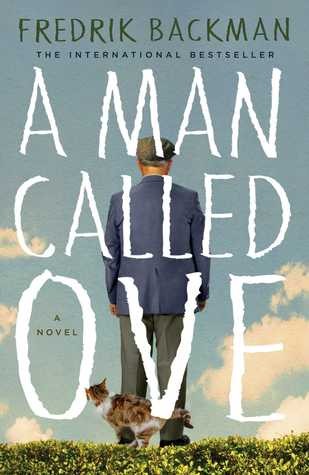
Read this if you want another Swedish curmudgeon whose life cracks open in old age.
Fredrik Backman's novel is the other Swedish bestseller about an old man the world has written off, and the pairing is natural. Ove is a 59-year-old widower with rigid routines and a plan to end his life, until a chaotic young family flattens his mailbox and refuses to leave him alone. Like Jonasson, Backman alternates a comic present with flashbacks that reveal how the old man got this way, and both books share the conviction that it is never too late for life to interrupt you.
The difference is the heart-to-farce ratio. Jonasson keeps you at an amused distance from Allan, who feels nothing very deeply; Backman goes straight for the chest, and the flashbacks about Ove's wife Sonja have made an enormous number of readers cry. There is no globe-trotting and no satire of history, just one cul-de-sac in Sweden. Pick it when you want the humor kept but the emotional stakes turned all the way up. It is the strongest novel on this list.
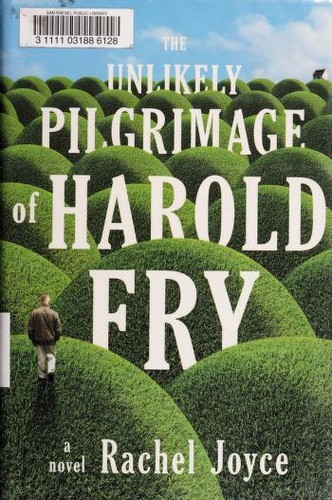
Read this if the old man walking out the door moved you more than the gangsters did.
Rachel Joyce's novel starts with almost the same image as Jonasson's: a retired man steps outside on an ordinary day and simply does not come back. Harold Fry leaves to post a letter to Queenie, a dying former colleague, and instead decides to walk the length of England to her hospice, convinced his walking will keep her alive. As with Allan, the journey collects strangers and small adventures, and flashbacks gradually fill in the life that led to this moment.
Tonally, though, this is the quiet sibling. Joyce is writing about grief, a damaged marriage, and a buried family tragedy, and the humor is gentle rather than absurd; nobody gets frozen in a meat locker or befriends an elephant. The flashbacks here wound instead of amuse. Choose it when you want the unlikely-pensioner-journey shape with real emotional weight, and skip it if you came purely for comedy. It was longlisted for the Booker Prize, and the prose is a clear step up from Jonasson's.
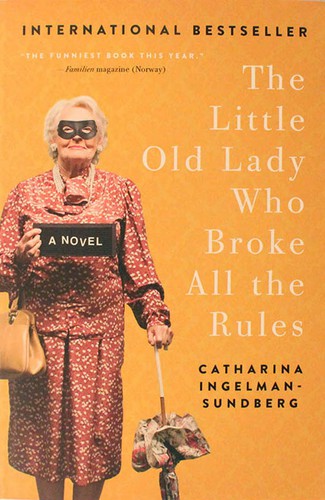
Read this if elderly Scandinavians committing cheerful crimes is exactly the genre you want.
Catharina Ingelman-Sundberg's novel is the closest thing here to a direct companion piece, and it was marketed to Jonasson's readers for good reason. Martha Andersson, 79, leads four friends out of their grim Stockholm retirement home and into a life of crime, robbing an art museum on the logic that prison offers better food and more freedom than elder care. Like Allan's story, it is a caper built on the joke that society underestimates the old, with stolen money, bumbling criminals, and police who cannot quite believe the suspects.
It is lighter and smaller than Jonasson's book: no historical flashbacks, no twentieth-century satire, just the present-day heist comedy, and the prose is serviceable rather than sly. The social point about how Sweden treats its elderly is made with a heavier hand. If what you loved was specifically the geriatric mischief and the suitcase of money, this scratches that itch precisely; if you loved the Gump-like sweep of history, it will feel thin. First of a series if it clicks.
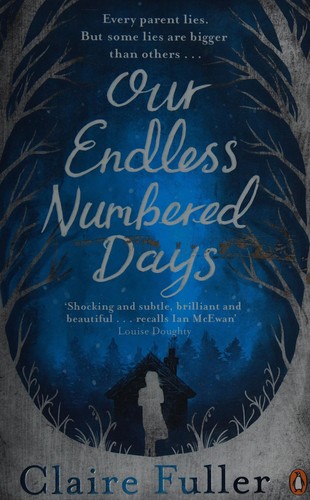
Read this only if you are chasing the dark undercurrent, not the comedy.
Claire Fuller's debut connects to Jonasson at one strange angle: both are survival stories in which a person vanishes from ordinary life and the narrative walks two timelines toward an explanation. Peggy is eight when her survivalist father takes her to a remote European forest hut and tells her the rest of the world has ended; the book alternates her years in the wild with her return at seventeen, and the gap between those timelines hides a genuinely unsettling reveal.
Make no mistake, this is the least like the 100-Year-Old Man of anything here. It is dark, lyrical, and disturbing where Jonasson is sunny and absurd; the abduction and its consequences are played entirely straight. It appears on this list as the choice for readers who noticed how much death and abandonment sits under Allan's jokes and wondered what that material looks like handled seriously. As a novel it is very good. As a follow-up for someone wanting more laughs, it is the wrong door.
Read this if the deadpan logic of an oblivious narrator was the funniest part for you.
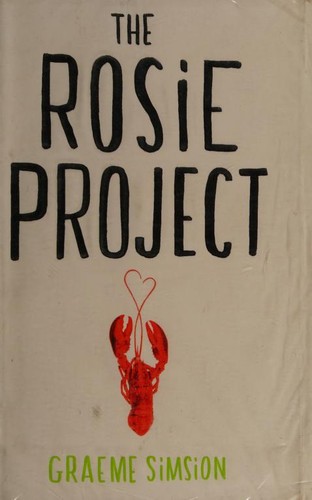
Graeme Simsion's comedy shares Jonasson's best trick: a narrator who applies perfect logic to every situation and misses the human point entirely. Don Tillman, a genetics professor with rigid routines, designs a questionnaire to find a wife scientifically, then meets Rosie, who fails every criterion. Allan's serene indifference to emperors and atom bombs and Don's serene indifference to social convention come from the same comic engine, and both books are fast, warm, and built on escalating misadventures.
Everything around that engine is different. Don is in his thirties, the setting is Melbourne academia rather than the sweep of the twentieth century, and the plot is a romantic comedy rather than a crime caper. There is no satire and no body count. This is the pick for readers who realize what they loved was the voice, not the premise. If the romance angle puts you off, know that it is handled with the same dry humor as everything else.
Read this if you want the late-life second act with English manners instead of Swedish farce.
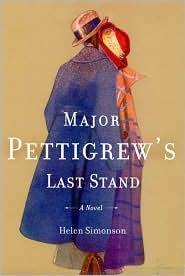
Helen Simonson's debut shares Jonasson's central faith that life is not finished at retirement age. Major Ernest Pettigrew, a widowed, propriety-bound Englishman in a small Sussex village, slowly falls for Mrs. Ali, the widowed Pakistani shopkeeper, and the novel watches the village's polite prejudices surface in response. Like Allan, the Major is an old man everyone thinks they have figured out, and the book's dry wit comes from his formal voice colliding with a changing world.
This is a comedy of manners, not a caper: the stakes are social rather than criminal, the pace is unhurried, and the humor is Austen-adjacent rather than absurdist. Nobody escapes anything except expectations. It is the right pick if what charmed you was the dignity and late-blooming openness of an elderly protagonist, and the wrong one if you want suitcases of cash. Readers who enjoy it tend to also love A Man Called Ove, which makes a natural trilogy of late-life books with this and Harold Fry.
Read this only if you want the storytelling charm and do not mind leaving the genre entirely.
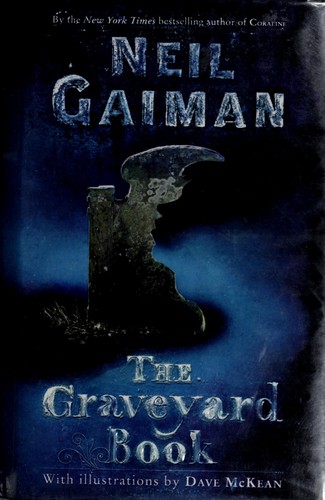
Neil Gaiman's novel is the wild card here, connected to Jonasson by sensibility rather than subject. A toddler escapes the murder of his family and is raised by the ghosts of a graveyard, given the name Nobody Owens, and educated by the dead in an episodic series of adventures. What it shares with the 100-Year-Old Man is a light, wry narrative voice carrying a story full of death and danger without ever turning grim, and a hero who wanders through extraordinary events with strange calm.
Be clear about what you are picking up: this is a children's-shelf fantasy (it won both the Newbery Medal and the Carnegie Medal), with ghosts, a supernatural killer, and no elderly Scandinavians anywhere. There is no satire of history and no caper. It earns its slot for readers who finish Jonasson thinking they want another effortless storyteller rather than another book about pensioners. If you want to stay in comic literary fiction, choose any other book on this list first.
Is there a sequel to The 100-Year-Old Man Who Climbed Out the Window and Disappeared?
Yes. Jonas Jonasson published The Accidental Further Adventures of the Hundred-Year-Old Man, which picks up Allan Karlsson's story and aims its satire at present-day politics, including Trump, Putin, and Kim Jong-un. Reviews were more mixed than for the original. Jonasson's other standalone novels, especially The Girl Who Saved the King of Sweden, run on the same absurdist engine.
What is the closest book to The 100-Year-Old Man?
The Little Old Lady Who Broke All the Rules by Catharina Ingelman-Sundberg is the closest in premise: Swedish seniors escaping institutional life through cheerful crime. A Man Called Ove by Fredrik Backman is the closest in quality and the better novel, trading the historical farce for much deeper emotion. If you want the deadpan comic voice above all, The Rosie Project is the best match.
Is The 100-Year-Old Man similar to Forrest Gump?
Very much so, and the comparison is made constantly. Both follow an unremarkable, apolitical man who stumbles through the major events of the twentieth century and influences them by accident. Jonasson's version is darker and drier, with a higher body count played for laughs, and Allan is knowingly indifferent rather than innocent, but the Gump structure is the clearest shorthand for the book.
Do I need to like dark humor to enjoy these books?
It depends on the pick. Jonasson kills off villains casually for comic effect, and The Little Old Lady keeps a milder version of that mischief. A Man Called Ove, Harold Fry, and Major Pettigrew are gentler, with humor closer to warmth than absurdity, and they handle grief sincerely. Our Endless Numbered Days drops the humor almost entirely, so check the hooks before choosing.
As an Amazon Associate, we earn from qualifying purchases. · About & methodology