8 books like Matilda by Roald Dahl, from The BFG to Anne of Green Gables: clever kids, cruel grown-ups, and a little magic for readers who loved Matilda Wormwood.
Updated June 10, 2026
Matilda works because Roald Dahl takes children's grievances seriously. Matilda Wormwood is a five-year-old genius stuck with parents who watch television instead of noticing her and a headmistress, Miss Trunchbull, who throws children by their pigtails. Dahl never softens the adults or scolds the reader for enjoying their comeuppance. Matilda's telekinesis arrives almost as an afterthought; the real superpower is that she reads, thinks, and refuses to accept that grown-ups are automatically right. Add Quentin Blake's scratchy illustrations and Miss Honey's quiet kindness, and you get a book children reread until the spine breaks.
The books below are sorted by what a Matilda fan usually wants next. If it was Dahl's voice, the gleeful villains and the matter-of-fact magic, go straight to The BFG and Charlie and the Chocolate Factory. If it was the fierce, clever girl at the center, Pippi Longstocking, Anne of Green Gables, and Ella Enchanted each offer a different version of her. And if it was the quieter thread, a lonely child transformed by books, gardens, or courage, The Secret Garden, Winnie-the-Pooh, and The Tale of Despereaux fill that out.
A practical note for parents: everything here sits comfortably in the middle-grade range, roughly ages 7 to 11 as a read-alone and younger as a read-aloud. The older classics (The Secret Garden, Anne of Green Gables) have slower openings and longer sentences than Dahl, so they work best for confident readers or as books to share a chapter at a time.
Read this if you want more Dahl with the same small-hero, giant-world energy.
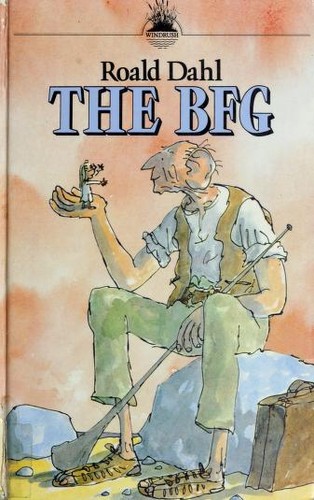
The BFG is the Dahl book closest to Matilda in spirit. Sophie, an orphan snatched from her bed by the Big Friendly Giant, is another small, clear-eyed girl who outthinks creatures many times her size. The flesh-eating giants (the Fleshlumpeater, the Bloodbottler) are Trunchbull-grade villains, grotesque and funny at once, and the plan Sophie hatches with the BFG and the Queen of England has the same satisfying shape as Matilda's revenge: brains beating brute force. The BFG's mangled English, all snozzcumbers and whizzpoppers, is some of the most quotable nonsense Dahl ever wrote.
The difference is warmth at the center. Matilda is essentially alone until Miss Honey appears; Sophie has the BFG from chapter two, so this is a friendship story more than a survival story. It is also a touch scarier in places, since the bad giants genuinely eat children, though Dahl keeps it comic. If your reader loved Matilda's bond with Miss Honey more than her war with the Trunchbull, this is the right next Dahl.
Read this for Dahl's purest fantasy of a good child finally rewarded.
This is Dahl's most famous book, and it runs on the same moral engine as Matilda: a poor, decent, overlooked child wins while awful people get exactly what they deserve. Charlie Bucket lives on cabbage soup with four grandparents in one bed, finds a Golden Ticket, and tours Willy Wonka's factory as the other ticket winners, spoiled Veruca, gum-chewing Violet, screen-addicted Mike, eliminate themselves one by one. The Oompa-Loompa songs deliver the judgments Dahl's narrators always relish, and the factory itself, with its chocolate river and inventing room, is his biggest imaginative set piece.
Where Matilda fights her own battle, Charlie mostly stays good while the factory punishes the others, so he is a gentler, more passive hero. The wish-fulfillment is sweeter and the villains are bratty kids rather than a terrifying adult, which makes this a better fit for slightly younger readers or anyone who found the Trunchbull genuinely frightening. It is the natural second Dahl for a child working through his shelf.
Read this if Matilda's independence was the whole point for you.
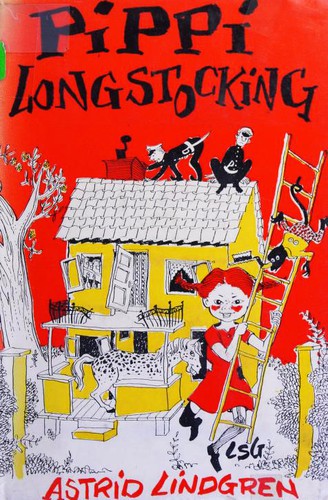
Astrid Lindgren's Pippi is Matilda with the brakes removed. She lives alone in Villa Villekulla with a horse and a monkey, is strong enough to lift that horse over her head, and treats every interfering adult, teachers, policemen, social do-gooders, as a slightly silly obstacle. Like Matilda, she is a small girl with a power no grown-up expects, and the comedy comes from adults discovering they cannot make her do anything. Children have been reading her as a fantasy of total freedom since 1945.
The structure is different: Pippi is episodic, a string of self-contained escapades rather than one building battle against a villain, and there is no Trunchbull and no Miss Honey, no real menace and no tearful rescue. It is pure anarchic comedy where Matilda mixes comedy with injustice. Pick it for a reader who wanted Matilda to be funnier and freer; skip it if the emotional story of finding Miss Honey was what made the book land.
Read this for the quieter story of a neglected child who transforms her own life.
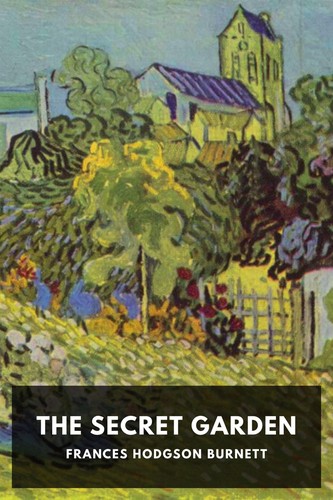
Frances Hodgson Burnett's 1911 classic starts where Matilda starts: with a child nobody wants. Mary Lennox is sour, ignored, and shipped to a gloomy Yorkshire manor full of locked doors and secrets. Like Matilda, she saves herself through curiosity, finding the key to a walled-up garden and bringing it, her sickly cousin Colin, and eventually the whole household back to life. The deep satisfaction is the same one Dahl offers: a child quietly fixing a world the adults have broken.
There is no magic here beyond the ordinary kind (growing things, fresh air, stubbornness) and no comic villain, just grief and neglect thawing slowly. The pace is much slower than Dahl, the prose is older, and the Yorkshire dialect takes some getting used to, so this suits a patient or slightly older reader, or a parent-child read-aloud. Choose it when the Miss Honey thread of Matilda, the lonely person restored by care, was the part that stuck.
Read this if you loved a bookish girl whose imagination is bigger than her town.
Anne Shirley is the great original of the type Matilda belongs to: the brilliant, word-drunk girl the world underestimates. An orphan sent by mistake to elderly siblings who wanted a boy, Anne talks, reads, and imagines her way into everyone's heart, smashing a slate over a boy's head along the way. Like Matilda, she is defined by her love of books and her refusal to be ordinary, and like Matilda she finds the adult who finally sees her, in shy Matthew and stern, softening Marilla.
L.M. Montgomery's book is realistic, set on Prince Edward Island in the 1900s, with no magic and no monster; the conflicts are scrapes, vanity, and growing up. It is also a longer, more emotionally rich novel that follows Anne over years, and the late chapters earn real tears. This is the best bridge on the list from Dahl toward classic novels, ideal for a strong reader of about 9 and up, and it has seven sequels waiting if it takes.
Read this for gentle, witty comfort with none of the cruelty.
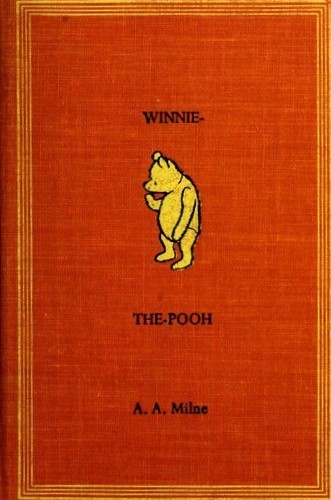
What Winnie-the-Pooh shares with Matilda is not plot but pleasure in language and a narrator winking over the children's heads. A.A. Milne's stories of Pooh, Piglet, and Eeyore in the Hundred Acre Wood are full of dry, precise jokes (a Bear of Very Little Brain, the hunt for a Heffalump) that adults enjoy as much as children, the same double register Dahl works in. As a read-aloud it is nearly perfect, ten-page episodes with a built-in bedtime shape.
Be clear about what it is not: there is no villain, no injustice, no clever child triumphing, and readers who wanted Matilda's bite will find it soft. It also reads younger than anything else on this list, best around ages 4 to 8 or for anyone in need of comfort. Think of it as the book for the Matilda reader's younger sibling, or for the nights when the Trunchbull was a bit much.
Read this if you want Matilda's spirit inside a proper fairy tale.
Gail Carson Levine's Newbery Honor book is Cinderella rebuilt around a Matilda-shaped problem: Ella is cursed at birth with obedience, forced to do whatever anyone commands, and spends the novel fighting to reclaim her own will. Like Matilda, she is sharp-tongued, quick with languages, and saddled with awful family (a cold father, a classic stepmother and stepsisters), and the book's climax turns on her own strength of mind rather than rescue. The wit is constant; Ella narrates with exactly the kind of intelligence Matilda fans recognize.
This is a full fantasy, with ogres, elves, fairy godmothers, and a romance with Prince Char that gives it a slightly older center of gravity than Dahl, roughly ages 8 to 12. It trades Dahl's grotesque comedy for fairy-tale adventure and a love story, so it suits readers ready to grow with the heroine. Skip the 2004 film comparison; the book is much sharper than the movie.
Read this for a tiny, book-loving hero and a storyteller's voice worth reading aloud.
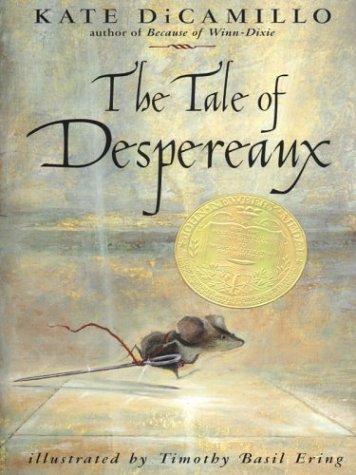
Kate DiCamillo's Newbery Medal winner stars a mouse born too small, with too-big ears, who falls in love with music, stories, and a human princess, and is banished to a dungeon for refusing to behave like a proper mouse. The kinship with Matilda is direct: a small creature whose family rejects him, whose love of stories sets him apart, and whose courage outstrips his size. DiCamillo's narrator speaks straight to the reader (Dear Reader, she keeps saying), an intimate trick that recalls Dahl's conspiratorial tone.
It is a darker and more openly emotional book than Matilda, weaving in a villainous rat shaped by suffering and a serving girl treated terribly, and it asks readers to sit with forgiveness rather than revenge, which is almost the opposite of Dahl's justice. Some children find the dungeon chapters sad. Choose it for a thoughtful reader, or as a family read-aloud, and expect it to prompt more conversation than laughter.
Stay with Dahl first: The BFG and Charlie and the Chocolate Factory are the closest in voice, and The Witches and James and the Giant Peach follow naturally after those. Outside Dahl, Pippi Longstocking matches Matilda's independence, and Anne of Green Gables is the best pick for a bookish reader ready for something longer.
What age is Matilda and these similar books for?
Matilda is generally recommended for ages 7 to 11, and most of this list sits in the same range. Winnie-the-Pooh skews younger, around 4 to 8, while Anne of Green Gables, The Secret Garden, and Ella Enchanted suit confident readers of about 8 or 9 and up because of their length and older prose.
Are there books like Matilda with a strong girl main character?
Yes, that is most of this list. Pippi Longstocking is the boldest match for Matilda's independence, Anne of Green Gables gives you a brilliant, imaginative orphan, Ella Enchanted stars a girl literally fighting for control of her own choices, and The Secret Garden follows a neglected girl who transforms her whole household.
Which Roald Dahl book is most like Matilda?
The BFG is the closest. Sophie, like Matilda, is a small, clever girl who takes on terrifying adults (in her case, child-eating giants) with planning and nerve, and the book balances comedy and menace the same way. Charlie and the Chocolate Factory shares Matilda's moral satisfaction, a good child rewarded while awful people are punished, but its hero is gentler and more passive.
As an Amazon Associate, we earn from qualifying purchases. · About & methodology