8 books like Everything I Know About Love by Dolly Alderton, from How to Be a Woman to Wild and Modern Love: funny, honest reads about messy twenties.
Updated June 10, 2026
Dolly Alderton's Everything I Know About Love (2018) became the book British women press on each other for a specific reason: it tells the truth about your twenties without making them tidy. It covers the bad dates, the MSN Messenger adolescence, the chaotic flatshares, the drinking, and the slow realization that the great love story of the decade was not any of the men but her best friend Farly. Alderton mixes memoir chapters with joke recipes, lists, and mock emails, and the result is funny enough that the genuinely sad parts catch you off guard. It won the National Book Award for autobiography in the UK and later became a BBC series.
What you want next probably falls into one of three buckets, and this list covers all of them. For more funny, candid British memoir, How to Be a Woman is the direct ancestor. For memoirs of women rebuilding themselves, Wild and Untamed take the self-discovery thread in rawer and more radical directions, while The Year of Magical Thinking is the masterpiece on love and loss. Modern Love gives you dozens of true relationship stories in one volume, and You Are a Badass, Braving the Wilderness, and The Comfort Book serve readers who want the lessons distilled rather than narrated.
A practical note: be aware which kind of book you are picking up. Half this list is memoir and half is self-help or essays, and the reading experiences are very different. The entries below say plainly which is which, so match the pick to whether you want a story or a hand on your shoulder.
Read this if Alderton's funny, confessional British voice is what you loved.
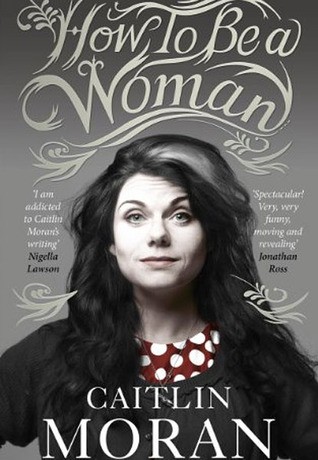
Caitlin Moran's 2011 book is the closest ancestor of Everything I Know About Love, and Alderton has been compared to Moran since her newspaper column days. Moran tells her own story, growing up poor in Wolverhampton, music journalism as a teenager, marriage, work, motherhood, with the same trick Alderton uses: jokes layered over genuine vulnerability, embarrassments offered up without flinching, and big conclusions drawn from small humiliations. If you read Alderton underlining lines to send to your group chat, Moran will fill the same need.
The difference is agenda. How to Be a Woman is openly a feminist polemic stitched into a memoir; each chapter uses Moran's life to argue a point about bodies, work, or expectations, where Alderton mostly lets the stories carry their own meaning. Moran is also a decade older, so the cultural references run to the nineties rather than the 2000s. Some of its takes have dated since 2011, which Moran herself acknowledges, but the voice remains one of the funniest in British nonfiction.
Read this only if you want the pep talk without the memoir.
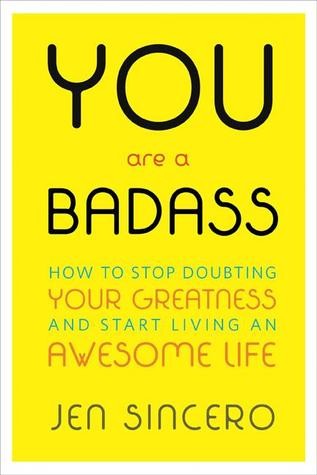
Jen Sincero's bestseller is on this list for readers who finished Alderton's book in a fix-my-life mood. It is straight self-help delivered in a brash, sweary, best-friend-over-cocktails voice, the closest the genre comes to Alderton's irreverence, covering self-doubt, money, habits, and the stories we tell ourselves about why we are stuck. Sincero uses her own late-bloomer history (broke and aimless at forty) as proof of concept, so there is a thread of lived experience running through the advice.
Be clear about what it is not: there is no narrative, no friendships to invest in, and none of Alderton's literary texture, and Sincero's enthusiasm for manifesting and the universe-has-your-back framing will grate on readers who liked that Alderton drew her lessons from actual events. As motivation it is effective and fast. As a reading experience it is the thinnest book here, so choose it for function, not for company.
Read this if the chapters about loss hit you hardest.
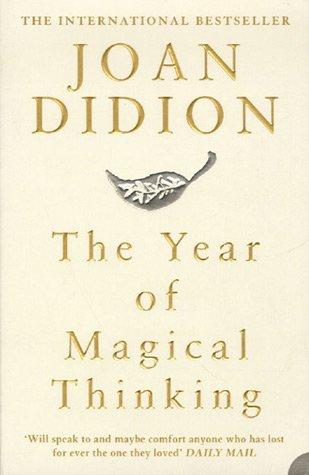
Everything I Know About Love turns, in its later stretch, from comedy to grief, and Joan Didion's 2005 memoir is the definitive book on that subject. Written in the year after her husband John Gregory Dunne died mid-sentence at their dinner table, while their daughter lay ill in a hospital, it examines with almost forensic calm the strange, irrational things the mind does to keep the dead alive. The title refers to her inability to give away his shoes, because he would need them when he came back.
Do not expect Alderton's warmth or jokes; Didion is cool, precise, and unsentimental, which is exactly why the book devastates. It is also about a forty-year marriage rather than a young woman's twenties, so the connection is the theme, not the life stage. Read it when you are ready for the most serious book on this list. It won the National Book Award and is widely considered one of the great memoirs in American literature.
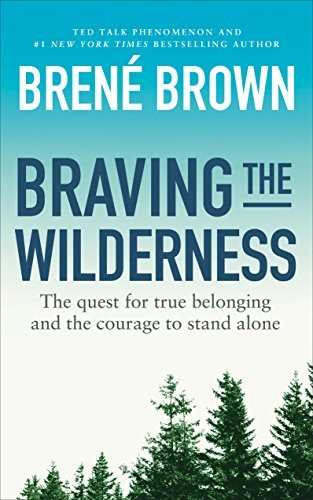
Read this if what stayed with you was the belonging question.
Underneath the party stories, Everything I Know About Love is about belonging: to friends, to a group, and eventually to yourself, and Brené Brown's 2017 book takes that exact question on directly. Brown, a research professor who has spent her career studying shame and vulnerability, argues that true belonging is not fitting in but having the courage to stand alone, and she builds the case through research and stories rather than memoir. The famous line that summarizes it: stop walking through the world looking for confirmation that you do not belong.
This is the most cerebral pick on the list, structured around findings and frameworks rather than a life. It is short, and Brown's warm Texan voice keeps it readable, but readers who came for Alderton's storytelling may find it abstract, and it wanders into American political polarization in ways that date it slightly. Best for the reader who finished Alderton's final chapters about self-acceptance and wanted the underlying idea unpacked properly.
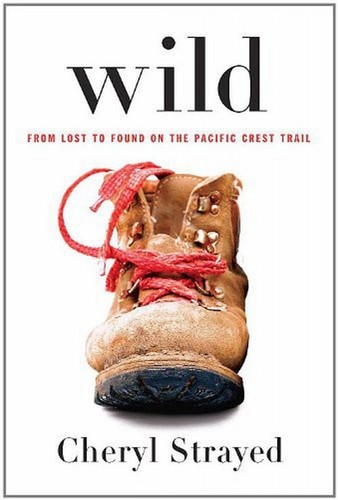
Wild: From Lost to Found on the Pacific Crest Trail
by Cheryl Strayed
Read this for the wreckage-of-your-twenties memoir with the highest stakes.
Cheryl Strayed was twenty-six, grieving her mother, divorced, and sliding into heroin use when she decided to hike over a thousand miles of the Pacific Crest Trail alone with no backpacking experience. Wild shares Everything I Know About Love's core material, a young woman surveying the chaos of her twenties and figuring out who she is, but where Alderton's reckoning happens at parties and in flatshares, Strayed's happens in physical extremity, with lost toenails and a pack she can barely lift.
It is a heavier book in every sense. The humor is there but scarcer, the grief is the engine rather than a late-arriving theme, and the redemption is bodily and hard-won rather than wry. Pick it when you want the self-discovery thread taken seriously enough to hurt. If you finished Alderton's chapters about her lowest points wanting more honesty of exactly that kind, this is the standard the genre measures itself against.
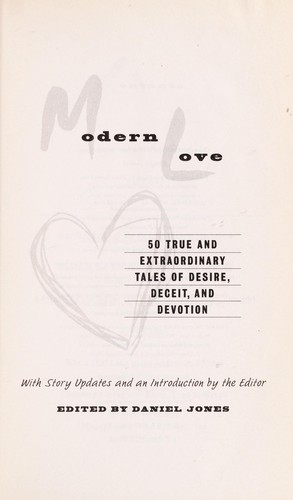
Modern Love: True Stories of Love, Loss, and Redemption
by Daniel Jones
Read this for dozens of true love stories in small, perfect doses.
Edited by Daniel Jones, who has run the New York Times Modern Love column for over two decades, this collection gathers the column's best essays: strangers, spouses, parents, and exes telling true stories about every shape love takes. It scratches the same itch as Alderton's book, real people being honest about romance and its failures, and because each essay is a few pages long, it delivers that hit dozens of times over. Several pieces, like the one about marriage and a dying author's matchmaking essay for her husband, have become famous in their own right.
The trade-off is continuity. There is no single narrator to grow attached to, no Farly, no arc from teenage chaos to thirty-year-old wisdom; the voices change every few pages, and quality varies the way anthologies always do. It is best kept on a nightstand and read one or two essays at a time rather than straight through. The book also fed the Amazon series of the same name.
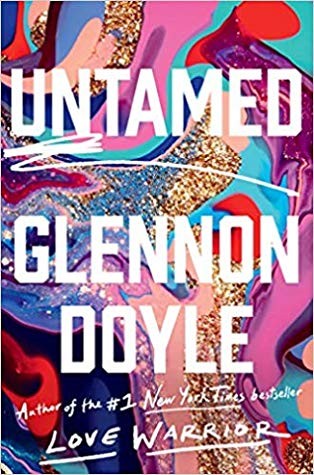
Read this if the self-discovery thread mattered more to you than the comedy.
Glennon Doyle's 2020 memoir-in-essays picks up where Alderton's conclusions point: that the love stories we are handed are not necessarily the ones that will make us happy, and that women spend years performing expectations before learning to trust themselves. Doyle tells the story of blowing up her seemingly perfect Christian-mommy-blogger life after falling in love with the soccer player Abby Wambach, and the book moves between that narrative and short, punchy reflections on desire, marriage, and honesty.
It is a more openly instructional book than Everything I Know About Love, written in a sermon-adjacent American register that lands differently than Alderton's self-deprecating British irony; readers tend to find it either electrifying or too much, with little in between. There is far less comedy and far more conviction. Pick it when you want to be charged up rather than charmed, and skip it if the recipe-joke side of Alderton was the part you loved.
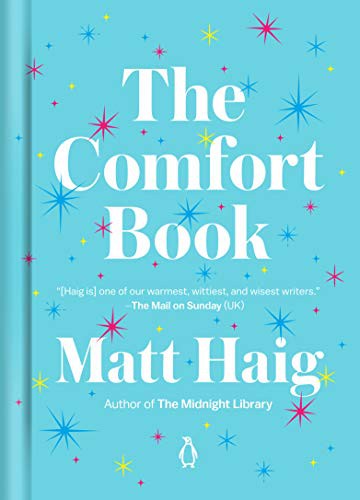
Read this for a bedside book that does what a good friend does at 2 a.m.
Matt Haig's 2021 collection is a book of short consolations, single pages, lists, fragments, and small essays written from the far side of his own depression and suicidal years, which he first described in Reasons to Stay Alive. It shares Alderton's fundamental warmth and her conviction that ordinary pleasures (food, friends, baths, songs) are what actually hold a life together, and like her book it is honest about despair without surrendering to it. Several entries read like the advice-column voice Alderton later developed in her Dear Dolly column.
It is the gentlest and least structured book here: no narrative, no argument, just pieces to dip into when needed, and read cover to cover it can feel repetitive and slight. The humor is mild where Alderton's is sharp. Treat it as a nightstand book for hard weeks rather than a next read in any normal sense, and it does its modest job very well.
After Everything I Know About Love, Alderton published Ghosts (2020), a novel about a woman in her thirties being ghosted while her father fades into dementia, Dear Dolly (2022), a collection of her Sunday Times advice columns, and Good Material (2023), a breakup novel told mostly from the man's point of view. Readers who loved the memoir's voice usually go to Dear Dolly or Good Material next.
What is the most similar book to Everything I Know About Love?
How to Be a Woman by Caitlin Moran is the closest match: a funny, confessional British memoir that mixes embarrassing true stories with bigger conclusions about being a woman. Alderton has frequently been compared to Moran. For the friendship-as-love-story theme specifically, many readers also pair Alderton with novels like Marian Keyes's books or Monica Heisey's Really Good, Actually, though those are fiction.
Is Everything I Know About Love worth reading if I have seen the TV series?
Yes. The 2022 BBC series, which Alderton wrote, is a loose dramatization centered on the Camden houseshare years, with the friend renamed Birdy and much of the material invented for television. The book covers far more ground, from school days through her early thirties, and its strongest sections, the lists, the satirical emails, and the closing reflections, do not appear on screen at all.
Is this list memoirs or self-help?
Both, deliberately. How to Be a Woman, Wild, The Year of Magical Thinking, and Untamed are memoirs, and Modern Love is a collection of true personal essays. You Are a Badass, Braving the Wilderness, and The Comfort Book are self-help or comfort reading with little narrative. If you want Alderton's storytelling, stay in the first group; if you want her lessons in distilled form, the second group delivers them faster.
As an Amazon Associate, we earn from qualifying purchases. · About & methodology