7 books like Carmilla: sapphic and classic gothic vampires from Dracula to Let the Right One In, matched by atmosphere, era, and queer subtext.
Updated June 10, 2026
Sheridan Le Fanu's Carmilla (1871 to 1872) is the vampire story that came first. Twenty-five years before Dracula, it gave us the seductive aristocratic predator, the wasting victim, and the dread-soaked castle, all filtered through the hazy, dreamlike voice of Laura, a lonely young woman in remote Styria. What makes it endure is not plot mechanics but mood and longing: the bond between Laura and her beautiful, unsettling guest is written as romance, making Carmilla a cornerstone of both gothic horror and queer literature.
Readers come to this list from three directions, so we have organized it around them. If you loved the nineteenth-century gothic foundations, start with the classic vampire texts (The Vampyre, Dracula). If the sapphic charge and ambiguous desire drew you in, follow the queer and folkloric thread (The Bloody Chamber, Let the Right One In). If you want vampires reimagined for a modern audience, the contemporary picks (Interview with the Vampire, The Historian, The Girl with All the Gifts) carry the atmosphere forward. Each entry below says exactly which part of Carmilla it captures and where it diverges.
A practical note: Carmilla, The Vampyre, and Dracula are all public domain, so you can read them free. The rest are modern novels worth buying or borrowing.
Read this if you want the other founding text of literary vampire fiction.
John Polidori's 1819 tale is Carmilla's closest historical relative, the story that first fused folklore into the figure we now recognize: the suave, deadly aristocrat moving through high society. Born from the same 1816 Villa Diodati ghost-story challenge that produced Frankenstein, it set the template Le Fanu would refine half a century later. If you finished Carmilla curious about where the literary vampire actually began, this is the source, and it is even shorter, readable in a single sitting.
Temper your expectations on two fronts. Lord Ruthven preys mostly on men and on the hero's sister, so there is none of Carmilla's sapphic intimacy, and the prose is drier and more eighteenth-century in feel, less dreamy and sensual than Le Fanu's. Read it as essential gothic history rather than for atmosphere. Best for readers who want context and origins more than a fresh emotional hit.
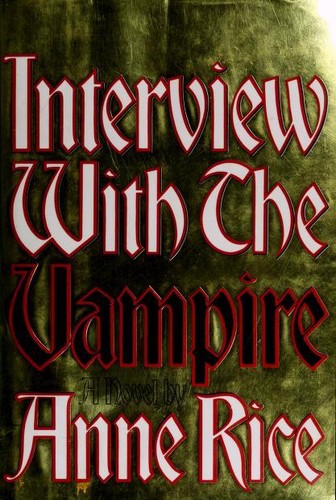
Read this if you want the seductive, melancholy vampire expanded into a saga.
Anne Rice takes Carmilla's central idea, the vampire as a tragic, sensual, eternally lonely figure rather than a snarling monster, and gives it a beating heart and 350 pages. Louis narrates his own damnation with the same intimate, confessional ache that makes Laura's account so hypnotic, and the homoerotic charge between Louis, Lestat, and the child vampire Claudia is open and central, extending the queer undercurrent Le Fanu could only imply.
The differences are mostly scale and register. Rice trades Carmilla's tight novella dread for lush, operatic excess, centuries of travel, and philosophical brooding on God and immortality. It is far more plotted and ornate, and some readers find it overwrought where Le Fanu is restrained. Reach for it when you want to live inside the vampire's perspective for a long, decadent stretch.
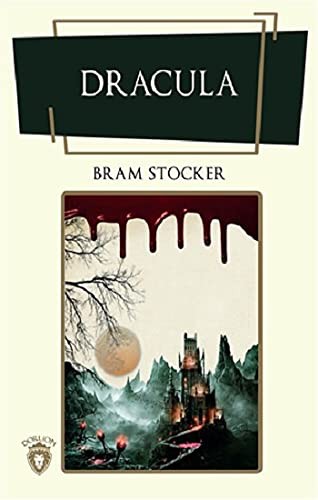
Read this if you want the masterpiece Carmilla directly inspired.
This is the natural next step, because Carmilla is in its DNA. Bram Stoker borrowed Le Fanu's predatory aristocrat, the sleepwalking and wasting victim, and the learned vampire hunter, and an early draft was even set in Carmilla's Styria. Read back to back, the lineage is unmistakable: the dread, the corruption of an innocent, the slow dawning of supernatural horror. Same gothic bloodline, expanded into the genre's defining novel.
Expect a bigger, busier book. Dracula is an epistolary doorstop told through many voices, with more action, more characters, and a clear good-versus-evil structure, where Carmilla stays small, hazy, and morally ambiguous. Its queerness is buried far deeper than Le Fanu's, surfacing mostly in subtext. Come for the scope and the foundational mythology, not for Carmilla's sapphic intimacy.
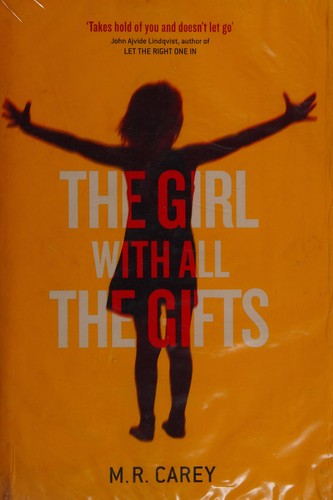
Read this if you want the sympathetic-monster idea pushed into modern horror.
M. R. Carey shares Carmilla's most subversive move: making you care for the very creature you should fear. Melanie is a brilliant, loving child who is also a fungal-infected predator, and the novel mines the same tension Le Fanu found in Laura and Carmilla, the bond between human and monster, and the question of who the real threat is. It is atmospheric, emotionally charged, and centered on a dangerous, unforgettable young female figure.
This is the biggest leap on the list. It is post-apocalyptic science-fiction horror with zombie-like infected, not vampires or gothic period dread, and the setting is a ruined near-future Britain rather than a Styrian castle. There is no romance and no sapphic thread. Pick it if what you loved in Carmilla was the sympathetic monster and the dread, and you are happy to leave the gothic trappings behind.
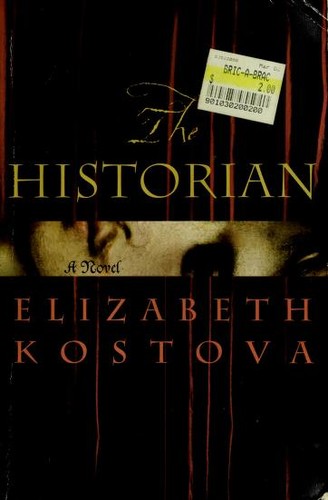
Read this if you want Dracula's myth wrapped in scholarly, atmospheric dread.
Elizabeth Kostova builds the same slow-burning, place-soaked atmosphere that makes Carmilla linger. A young woman pieces together her family's entanglement with the Dracula legend across the libraries and old cities of Europe, and the pleasure is the same gothic mood: dusty archives, creeping unease, and a sense of the past reaching into the present. If Carmilla's brooding tone mattered more to you than its body count, this delivers it at length.
It is a very different machine, though: a 600-page literary thriller built on research, travel, and dread rather than romance or intimacy. There is no sapphic thread, and the horror is cerebral and atmospheric instead of sensual. Patient readers who love mood and slow accumulation adore it; anyone wanting Carmilla's brevity or its charged central relationship should look elsewhere on this list.
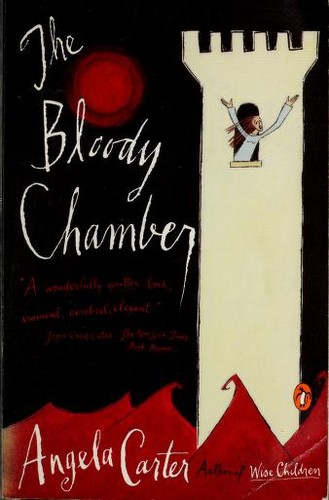
Read this for the same dark eroticism and one unforgettable female vampire.
Angela Carter is the truest match here for Carmilla's blend of beauty, danger, and desire. Her collection rewrites fairy tales into dark, erotic, female-centered gothic, and one story, The Lady of the House of Love, gives you a lonely, decaying female vampire who lures victims to her bedroom, a direct descendant of Le Fanu's Carmilla. The lush, sensual prose and the focus on women's longing and power capture exactly what makes the original feel so charged.
Two caveats. It is a story collection, not a single novel, so only part of it is explicitly vampiric; the rest reworks Bluebeard, Beauty and the Beast, and Red Riding Hood. And while it is intensely feminist and erotic, it is not specifically sapphic. Read it for the mood and the artistry, ideally for someone who loves literary, transgressive retellings.
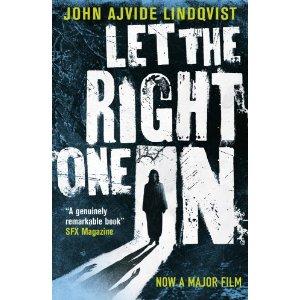
Read this if you want Carmilla's tender, predatory intimacy made modern and bleak.
John Ajvide Lindqvist updates Carmilla's most haunting idea, a vampire who becomes intimately, dangerously close to a lonely innocent, into 1980s suburban Sweden. Bullied twelve-year-old Oskar bonds with Eli, an ancient vampire in a child's body, and the relationship carries the same mix of devotion and lurking menace that binds Laura to Carmilla. Eli's deliberately ambiguous gender also echoes the way Le Fanu unsettles fixed categories of identity and desire.
Be warned that Lindqvist is far more graphic and grim than Le Fanu. There is real violence, abuse, and bodily horror here, none of it softened, where Carmilla works through suggestion and atmosphere. This is the scariest, most modern pick on the list. Choose it when you want that intimate vampire bond rendered with unflinching contemporary darkness rather than nineteenth-century restraint.
Yes. Le Fanu published Carmilla in 1871 to 1872, twenty-five years before Bram Stoker's Dracula (1897), and scholars credit it as a direct influence. Stoker borrowed the predatory aristocratic vampire, the sleepwalking and wasting victim, and the expert vampire-hunter figure. An early cut chapter of Dracula was even set in Styria, Carmilla's region. If you want the book that taught Dracula its tricks, you are already reading it.
Is Carmilla LGBTQ?
It is one of the foundational texts of queer literature. The relationship between Laura and Carmilla is openly charged with romantic and erotic longing, and Le Fanu writes it as the ardor of a lover, not just intense friendship. Victorian readers could downplay it; modern readers and scholars read it plainly as sapphic. Carmilla is a landmark of vampire fiction and of lesbian fiction at the same time.
Is Carmilla scary by modern standards?
Not in a jump-scare or gore sense. Its power is dread and atmosphere: the slow corruption of a sheltered young woman, dreamlike imagery, and a creeping sense of wrongness. If you read horror for unease and mood rather than shock, it still works beautifully. If you want visceral modern terror, pair it with Let the Right One In on this list.
How long is Carmilla?
It is a short novella, roughly 100 to 110 pages depending on the edition, told in sixteen brief chapters. Most readers finish it in two or three sittings, and it is in the public domain, so free ebook and audiobook versions are easy to find. That brevity makes it an ideal gateway into nineteenth-century gothic before longer classics like Dracula.
As an Amazon Associate, we earn from qualifying purchases. · About & methodology