7 books like Careless People by Sarah Wynn-Williams: tech exposés from Bad Blood to No Filter, plus the Fitzgerald classics behind the title.
Updated June 10, 2026
Careless People is Sarah Wynn-Williams's 2025 insider memoir about her years as a senior policy executive at Facebook, now Meta. It takes its title from a line in The Great Gatsby about people who smash up things and creatures and then retreat back into their money, and Wynn-Williams uses that idea as the spine of the book: a firsthand account of being in the rooms where decisions about misinformation, foreign governments, and an enormous user base got made, and of how the people making them insulated themselves from the damage. It reads as both a career story and an indictment.
Readers come away from it wanting one of two very different things, so this list serves both. Most want more of the tech accountability thread: insider accounts and investigative exposés of powerful companies behaving carelessly, which is where Bad Blood, No Filter, and Empire of Pain come in. Others are drawn to the literary lineage of the title itself, the Fitzgerald world of glittering wealth and consequence-free damage that gave the memoir its name. Each entry below says plainly which thread it belongs to.
One honest note: no book on this list is another Meta memoir, because Careless People is so far the definitive one. The closest companions in subject are An Ugly Truth by Sheera Frenkel and Cecilia Kang, a reported account of Facebook's crisis years, and the picks below.
Our Top Picks
Best overall next read
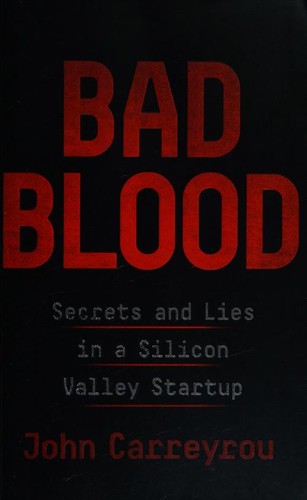
Bad Blood: Secrets and Lies in a Silicon Valley Startup
Bad Blood: Secrets and Lies in a Silicon Valley Startup
by John Carreyrou
Read this for the definitive account of Silicon Valley carelessness with human stakes.
John Carreyrou's investigation of Theranos is the book that defined the modern tech exposé, and it scratches exactly the itch Careless People leaves: watching, in granular insider detail, how a celebrated company run by celebrated people hurt real human beings while everyone with power looked away. Like Wynn-Williams, Carreyrou is interested in the enablers as much as the leaders, the boards, lawyers, and true believers who kept the machine running long after the damage was obvious.
The differences: this is investigative journalism rather than memoir, built from hundreds of interviews instead of one insider's vantage, so it trades Wynn-Williams's first-person intimacy for prosecutorial completeness. The fraud at Theranos was also concrete and criminal (Elizabeth Holmes went to prison) where Meta's harms are systemic and contested. It reads like a thriller, and it is the single most recommended book for Careless People readers for good reason.
Read this if you want more of the inside of Meta specifically.
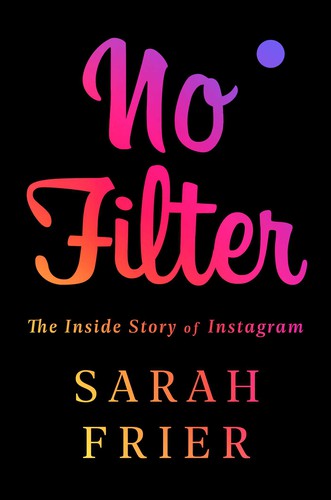
Sarah Frier's history of Instagram is the closest thing on this list to the same rooms Wynn-Williams describes. It follows the app from its founding through its acquisition by Facebook and into the years when its founders fought, and lost, to protect their product inside Mark Zuckerberg's company. The portraits of Meta's leadership and the company's growth-over-everything culture corroborate and deepen the picture Careless People paints from the policy side.
Frier is a reporter rather than a participant, so the book has a cooler, more even-handed temperature than Wynn-Williams's memoir, and its center of gravity is product and business strategy rather than geopolitics and harm. But for the question most Careless People readers are left holding, what is it actually like inside that company, this is the best-reported answer in print. It won the Financial Times business book of the year award in 2020.
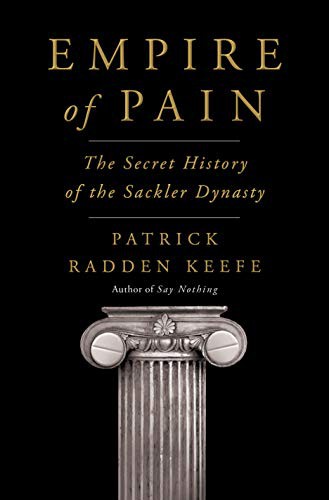
Empire of Pain: The Secret History of the Sackler Dynasty
by Patrick Radden Keefe
Read this for the fullest portrait of wealth insulating itself from the wreckage.
Patrick Radden Keefe's history of the Sackler family and OxyContin is, at its core, about exactly what the Gatsby line means: people who smash up lives and retreat into their money. The Sacklers built a fortune marketing an addictive opioid, then spent decades using philanthropy, lawyers, and distance to keep the consequences from ever reaching them. If Careless People made you want to understand how privilege manufactures impunity at the largest scale, this is the masterwork on the subject.
It is not a tech book; the industry is pharmaceuticals and the timeline runs back to the 1950s. It is also long and dense with legal detail, though Keefe writes it with novelistic momentum. Choose it when you want the careless-people theme itself, money, damage, and zero accountability, traced through three generations rather than one company. Many readers consider it the best nonfiction book of its decade.
Read this if you want the source of the phrase Careless People takes its name from.
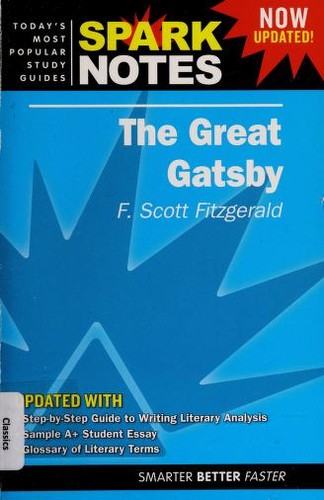
This is the book Wynn-Williams borrowed her title from. Fitzgerald's narrator describes Tom and Daisy Buchanan as careless people who smashed up things and creatures and then retreated into their money and their vast carelessness, leaving others to clean up the mess. That single idea, that the very wealthy can do real damage and stay untouched by it, is the lens Careless People applies to a modern technology company. Reading Gatsby gives you the literary frame the memoir is consciously working inside, and the resonance is intentional rather than coincidental.
The obvious difference is that this is a short 1925 novel about love, money, and the American Dream in Jazz Age New York, not a corporate memoir. The connection is thematic, not topical: you will find no executives or product launches here. If you came to Careless People for inside-the-room tech detail, Gatsby will feel like a literature assignment. If you came for the idea behind the title, it is the most direct read on this list.
Read this for the real lives behind the carelessness Fitzgerald wrote about.
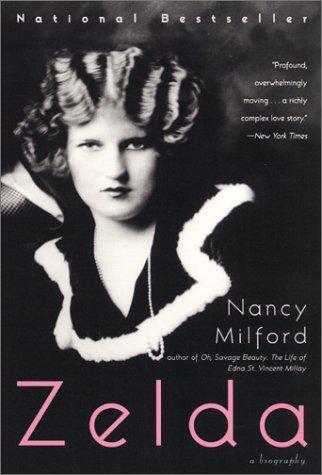
Nancy Milford's biography of Zelda Fitzgerald is the nonfiction backbone of the literary cluster on this list. It reconstructs the marriage of Zelda and F. Scott Fitzgerald, the couple whose glittering, destructive Jazz Age lifestyle helped shape the careless-people idea in the first place. If reading Gatsby or Careless People makes you curious about the actual people and money and consequences underneath the myth, this is the documented account of how that carelessness played out in two real lives, including Zelda's struggle for her own independence and recognition.
It is a fairly detailed literary biography, so it asks more patience than a fast narrative would, and its relationship to Careless People is strictly thematic and historical rather than topical. There is nothing here about technology, corporate power, or whistleblowing. Choose it if you want the true story behind the phrase and a portrait of a woman often flattened into a footnote of her husband's career.
Read this if you want the memoir form and the world that produced the careless-people idea.
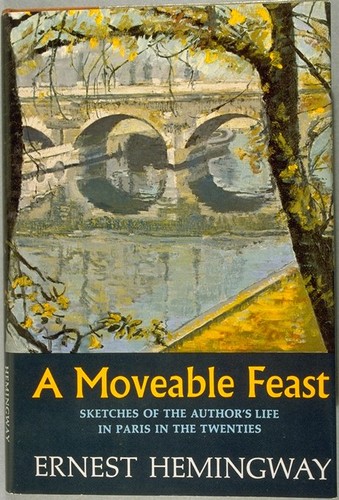
This is the one literary pick that matches Careless People in form: it is a memoir, Hemingway's firsthand account of his years as a young writer in 1920s Paris. It shares the insider quality of Wynn-Williams's book, a participant looking back and naming names, and it populates the same Jazz Age milieu that produced Fitzgerald, who appears in it as a friend and rival. If the memoir voice is what you valued, this carries that over even as the subject changes completely.
The subject could hardly be more different from a technology company: this is literary cafe life, not policy or product. Hemingway's portraits of his peers, Fitzgerald included, are pointed and not always fair, which gives it a gossipy edge some readers love and others distrust. Come for the memoir craft and the period color, not for anything resembling Silicon Valley.
Read this for Fitzgerald turning his careless-wealth lens on a powerful industry.
Of the Fitzgerald titles here, this unfinished novel sits closest to the spirit of a memoir about a powerful company. It centers on a Hollywood film producer, modeled on the studio executive Irving Thalberg, and digs into ambition, power, and the machinery of a dominant industry from the inside. That focus on an individual operating at the top of a vast, image-conscious organization rhymes with what Careless People does for Meta, even though one is fiction and the other is firsthand reporting.
Be aware the book was unfinished when Fitzgerald died in 1940, so it ends abruptly and is usually published with his notes for the rest. It is less polished and less famous than Gatsby. Read it if you specifically want the power-and-industry angle in Fitzgerald's voice, and do not mind that the story stops before its planned conclusion.
Why does Careless People share its title with The Great Gatsby?
Sarah Wynn-Williams took the title from a line in F. Scott Fitzgerald's The Great Gatsby describing Tom and Daisy Buchanan as careless people who smashed up things and then retreated into their money. She uses it to frame her 2025 memoir about powerful executives at Facebook, now Meta, who she argues caused real-world harm while insulating themselves from the consequences.
What should I read for more tech whistleblowing and exposés?
Start with Bad Blood by John Carreyrou, the Theranos investigation, which is the most-recommended follow-up to Careless People. No Filter by Sarah Frier covers Instagram inside Meta itself. Beyond this list, An Ugly Truth by Sheera Frenkel and Cecilia Kang is the definitive reported account of Facebook's crisis years, and Super Pumped by Mike Isaac does the same for Uber.
Is Careless People accurate, and how did Meta respond?
Meta disputed the book and moved aggressively against it, winning an arbitration ruling in 2025 that barred Wynn-Williams from promoting it, which itself became a news story and helped drive the book up the bestseller lists. Readers should know it is a personal account with a point of view; pairing it with reported books like No Filter gives a fuller picture.
Which book on this list is the closest match?
Bad Blood is the closest in spirit: an inside account of a celebrated company harming people while leadership looked away. No Filter is the closest in subject, since it covers Instagram inside Meta. The Great Gatsby is the closest in theme, as the source of the title and the idea of consequence-free wealth that the memoir is built on.
As an Amazon Associate, we earn from qualifying purchases. · About & methodology