7 books like A Monster Calls, from The Ocean at the End of the Lane to Bridge to Terabithia: stories that use fantasy and honesty to face grief head on.
Updated June 10, 2026
A Monster Calls began as an idea by Siobhan Dowd, who died of cancer before she could write it, and Patrick Ness finished it in her place, which tells you something about why the book lands so hard. Thirteen-year-old Conor O'Malley is losing his mother to cancer, and the ancient yew tree monster that visits at 12:07 each night does not come to rescue him. It comes to tell him three stories and demand a fourth, the truth Conor cannot say out loud. The monster's tales refuse tidy morals, and the book's real subject is the guilt children carry inside grief. Jim Kay's inky illustrations in the original edition do half the emotional work.
The books below split along the two things readers want next. Some want more of the dark fairy-tale machinery, fantasy that sits right at the edge of childhood fear, which is where Neil Gaiman's The Ocean at the End of the Lane and The Graveyard Book live, along with Sophie Anderson's The House with Chicken Legs. Others want the grief itself, stories that trust young readers with real loss, served by Bridge to Terabithia, Where the Red Fern Grows, and The Book Thief. One outlier, One Hundred Years of Solitude, is here for adult readers chasing the magical realism thread.
A practical note: these range from middle grade to adult literary fiction, so check the entries for age fit before handing one to a young reader. And like A Monster Calls itself, several of these (Terabithia and Red Fern especially) are famous for making people cry; that is a feature, not a warning.
Read this if you want the same blend of childhood fear and ancient, ambiguous magic.
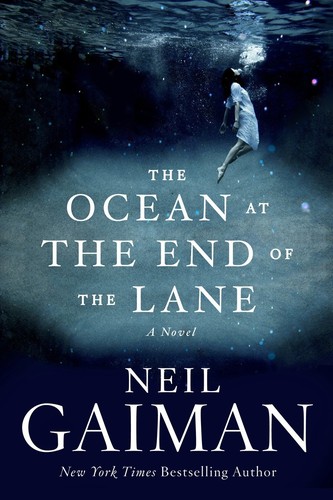
Gaiman's short 2013 novel is the nearest thing in feel to A Monster Calls. A man returns to his Sussex childhood home for a funeral and remembers, or re-remembers, the events of when he was seven: the Hempstock women at the end of the lane, who are far older than they look, and the malevolent thing that followed him home from their farm. Like Ness, Gaiman uses myth-sized forces to make a child's helplessness and fear concrete, and both books understand that adults are often the least reliable protection a child has.
The difference is the center of gravity. Conor's story is about grief arriving on a schedule everyone can see; Gaiman's is about memory and the strangeness of childhood itself, framed for adult readers looking back rather than for the child in the middle of it. It is dreamier and less devastating, more unsettling than sad. Pick it if you are an adult who loved A Monster Calls and want the grown-up register of the same dark-fairy-tale voice.
Read this for death made gentle without being dishonest.
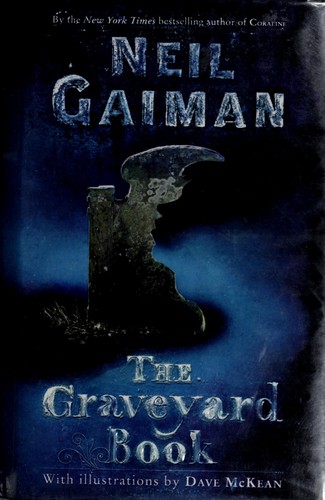
Gaiman's Newbery Medal winner opens with a family murdered and a toddler escaping to a graveyard, where the resident ghosts raise him as Nobody Owens. That premise sounds grim, but the book's trick is the same one Ness pulls off: it treats death as something children can look at directly, and its supernatural guardians, like Conor's yew tree, are protectors who cannot shield the boy from the human dangers that matter most. It is a coming-of-age story where growing up literally means leaving the dead behind.
It is episodic and adventure-shaped where A Monster Calls is a single tightening knot, and the tone is warmer, sometimes funny, modeled on The Jungle Book with tombstones. The grief here is ambient rather than acute; nobody the reader loves is dying in real time. That makes it the easier emotional read of the two, and the better pick for a younger or more sensitive reader who wants the atmosphere without Conor's anguish.
Read this if the folktale bones of the monster's stories were what gripped you.
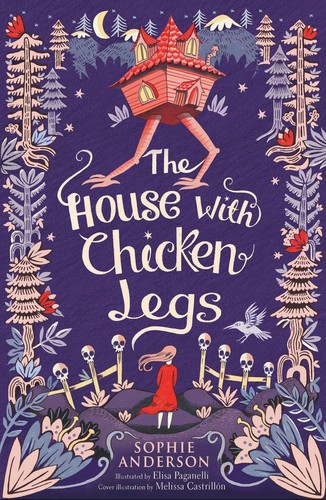
Sophie Anderson's debut reimagines Baba Yaga: twelve-year-old Marinka lives in a house that walks on chicken legs, granddaughter to a Yaga whose job is guiding the dead through the gate between worlds. Like A Monster Calls, it is a middle grade novel built directly out of folklore, and it puts a child in daily contact with death while she fights for an ordinary life of her own. The themes rhyme closely with Ness: duty, loss, and learning that you cannot bargain or run your way out of what is true.
Anderson's book is gentler and more whimsical, with a houseful of charm that Ness's stripped-bare hospital world deliberately lacks, and Marinka's losses, though real, are softened by the folktale frame. It also skews slightly younger. Choose it for a reader around nine to twelve who responded to the monster's fairy tales, or for anyone who wants death handled with folkloric warmth rather than raw realism.
Read this for the classic that trusted child readers with grief first.
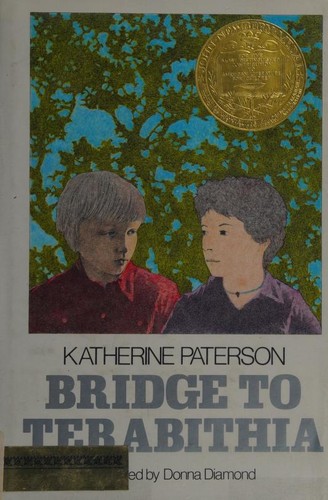
Katherine Paterson's 1977 Newbery winner is the ancestor of A Monster Calls. Jess and Leslie, two lonely fifth graders in rural Virginia, invent the imaginary kingdom of Terabithia in the woods, and the book's famous turn confronts Jess with a sudden, senseless loss. Like Ness, Paterson refuses to soften the ugly parts of grieving: Jess feels rage, guilt, even a horrible flicker of importance, and the book lets all of it stand. The imagined kingdom plays the role the yew tree plays, a fantasy that exists to help a child survive reality.
The key difference is that Terabithia's fantasy is entirely in the children's heads; nothing supernatural ever happens, which makes it realism wearing a crown. The loss also arrives without warning, where Conor's approaches in slow motion, and those are different shapes of grief. It is shorter, plainer, and aimed squarely at middle grade readers. If A Monster Calls wrecked you in a way you respected, this is the book that pioneered that contract.
Read this if you want grief grounded in love rather than fantasy.
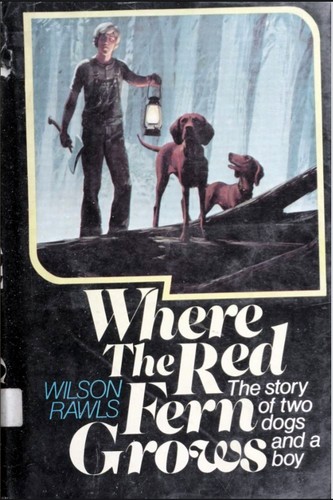
Wilson Rawls's 1961 novel about Billy and his two coonhounds, Old Dan and Little Ann, has been breaking young readers' hearts for generations, and it shares the essential quality of A Monster Calls: it is a children's book that treats loss as something to be walked through honestly, not around. Billy works for two years to earn his dogs, and the bond the book builds with them is so thorough that the ending earns every tear. The red fern legend at the close gives grief a consoling image, much as Ness gives Conor the yew.
There is no fantasy here at all, just the Ozark hills, hunting, and hard-earned love, and the rural early-1900s setting feels a world away from Conor's England. The emotional mechanism is also inverted: Ness is about anticipatory grief and guilt, Rawls about devotion and the cost of loving anything mortal. Pick it for a reader who wants the feelings without the monster, and expect to cry either way.
Read this only if you want the magical realism thread followed to its source, as an adult.
García Márquez's 1967 masterpiece is on this list for one reason: if what moved you in A Monster Calls was the way the impossible (a walking yew tree) is treated as plainly real, this is the book that perfected that mode. In Macondo, ghosts linger, rain falls for years, and the Buendía family's dead remain part of the household, all narrated in the same matter-of-fact voice Ness uses for the monster's arrivals. Death, memory, and inherited sorrow saturate the whole novel.
It is emphatically not a companion read in any other sense: an adult literary epic spanning seven generations, with a famously demanding web of repeating names and no single grieving child to anchor you. The connection is technique and theme, not audience or feel. Recommend it to the adult who finished A Monster Calls and wanted to know where fiction like this comes from; do not hand it to a young reader expecting another Conor.
Read this if you believed the monster when it said stories are the wildest things of all.
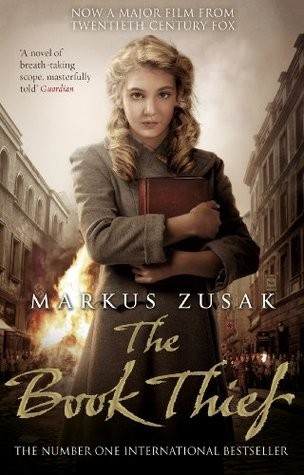
Markus Zusak's novel is narrated by Death, who has rarely been written with more tenderness, and it follows Liesel Meminger, a foster child in Nazi Germany who steals books and learns that words can shelter people the way nothing else can. Its kinship with A Monster Calls is exact in one respect: both books argue that stories are how humans survive what cannot be survived, and both put a child at the center of losses no child should carry. Death's habit of telling you the ending in advance even mirrors the dread of Conor's nightmare, grief seen coming from far off.
It is a longer, heavier book for slightly older readers, usually pitched at young adult and up, and its grief is historical and communal, bombs and war and complicity, rather than one family's illness. Zusak's style is also showier than Ness's spare prose, full of odd metaphors that some readers adore and a few find precious. Choose it when you are ready for the bigger canvas; of everything here, it is the book most likely to matter to you for years.
The Ocean at the End of the Lane by Neil Gaiman is the closest in atmosphere, combining childhood fear, ancient magic, and emotional honesty in a short novel. For the grief itself, Bridge to Terabithia is the closest match in spirit, a story that trusts young readers with real loss the same way Patrick Ness does.
What age is A Monster Calls appropriate for, and these books?
A Monster Calls is usually recommended for ages 11 and up, mostly for emotional intensity rather than content. Of the books here, The House with Chicken Legs and The Graveyard Book suit readers from about 9 up, Bridge to Terabithia and Where the Red Fern Grows from about 10, The Book Thief from about 13, and The Ocean at the End of the Lane and One Hundred Years of Solitude are written for adults.
Did Patrick Ness write other books like A Monster Calls?
Nothing else of his is quite like it. The idea came from Siobhan Dowd, who died before she could write it, and Ness wrote the book from her premise. His Chaos Walking trilogy is fast-paced young adult science fiction, and More Than This is a stranger, more philosophical YA novel; both share his emotional directness but not the fairy-tale grief of A Monster Calls. Readers wanting that specific feeling do better with the Gaiman titles on this list.
Is A Monster Calls based on a true story?
No, it is fiction, but its origins are poignantly real. Siobhan Dowd conceived the story while she was terminally ill with cancer and died in 2007 before writing it; Patrick Ness was asked to take over her idea, and the finished book won both the Carnegie Medal and, for Jim Kay's illustrations, the Kate Greenaway Medal, the first book ever to win both.
As an Amazon Associate, we earn from qualifying purchases. · About & methodology